





















What is it really like to stand on the roof of Africa? In this episode of Million Ways to Live, author and documentary filmmaker Luke Sniewski teams up with professional mountain guide Eli Mamuya to give us an inside look at the grit, beauty, and determination required to successfully summit Mount Kilimanjaro.
The Gateway and Lifeline of Tanzania
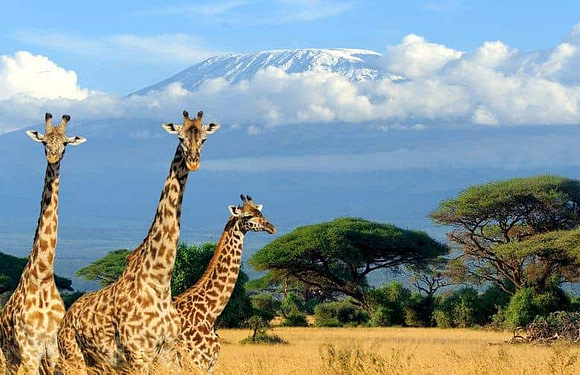
Luke: “What you see behind me is the world’s tallest freestanding mountain. Mount Kilimanjaro is the pride of Tanzania, serving as the social, economic, and agricultural foundation of this entire region. Today on Million Ways to Live, we meet an incredible guide whose life mission is helping everyday people achieve their lifelong dream of reaching the roof of Africa.”
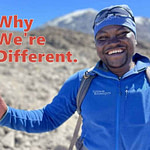
Eli: “My name is Elibahati, and I have stood on the top of Kilimanjaro over 100 times. In our local language, the name is broken down into two parts: Kilima means mountain, and Njaro means God for those who live on the windward side of the peaks. This mountain sustains us; it acts as a vital source of rain for everyone living around it, feeding our crops of eggplant, bananas, coffee, corn, and beans. It drives our agriculture.”
Luke: Eli knew he wanted to be a mountain guide from early childhood. Growing up just one kilometer from the national park entrance, he spent his youth talking to international travelers. The soft skills, empathy, and deep cultural knowledge he developed during those early years are exactly what make him the world-class guide he is today.
Eli: “I truly enjoy working with people. When it comes to inspiring my clients to reach the top, my best advice is simple: eat as much as you can, stay well-hydrated, and maintain a positive mindset.”
Overcoming the Critical Summit Challenges
Luke: Historically, less than 50% of those who attempt to summit Kilimanjaro succeed—mostly due to the brutal cold of summit night or succumbing to acute altitude sickness. Eli and his team manage these extreme challenges by conducting strict health checks twice daily, ensuring everyone eats well and drinks plenty of water. However, their ultimate secret weapon for client success is establishing a slow, deliberate hiking pace.
Eli: “I always tell them, ‘Pole, pole.’ Pole, pole means ‘slow pace, no rush.’ We also advise clients to choose longer routes with more days on the mountain because it significantly helps with acclimatization. When your body properly adjusts to the altitude, it prevents the thin air from stopping you at the very top.”
Luke: “We’re nearing the end of day four, and the altitude is definitely making its presence known. We’re dealing with some light to moderate headaches, but we’re pushing through. We’re keeping our bodies moving—even doing burpees and exercising right here at 4,200 meters! I don’t know if that workout strategy will pay off, but we’ll find out when we try for the summit. Despite the challenge, spirits are high. The porters are singing and dancing, the meals are fantastic, and we’re ready to keep moving.”
Porters singing: Jambo, bwana! Habari gani! Mzuri sana!
Eli: “‘Hakuna matata‘—this phrase originally comes from Kenyan Swahili, meaning ‘no worries.’ While you are on Kilimanjaro, we love to remind clients: hakuna matata. You don’t have to stress. You are with expert guides who are fully taking care of you.”
Climbing Kilimanjaro as a Metaphor for Life
Luke: Mount Kilimanjaro is the perfect metaphor for a life well lived. Throughout our lives, we cross peaks and valleys that are simultaneously fun, challenging, and stressful. But regardless of what lies ahead, you have to keep moving forward—one pole pole step at a time. And just like on Kilimanjaro, there are guides out there like Eli who want nothing more than to help you reach your highest goals.
“Easily the hardest thing I’ve ever done in my life, by far. Eli, thank you so much for motivating and inspiring us.”
Eli: “When will you come back again? Will you return?”
Luke: “When my son is old enough to do it. Are you going to guide my son?”
Eli: “O.K., I will!”