






























Most people think endurance is just physical.
The fitter person lasts longer. The stronger person keeps going. Eventually, the body reaches its limit and the person stops. But endurance research suggests that’s not what often happens.
People frequently quit while their bodies are still physically capable of continuing.
I’m Kevin, founder of Ultimate Kilimanjaro®. I’ve spent the last 20 years hiking, mountaineering, and participating in endurance events around the world. Recently, I completed a 7-day, 155-mile ultramarathon called the Gobi March. During this race, I employed various mental strategies to keep me going when I was tired, uncomfortable, and increasingly unmotivated.
In this article, I’ll tell you about my ultramarathon experience, what endurance research tells us about quitting, and five practical tips you can use if you start doubting yourself on Kilimanjaro.
Race Format
The Gobi March is a multistage ultramarathon that takes place in Mongolia. The race consisted of six stages over seven days. Altogether, the course covered 155.9 miles (251 km).
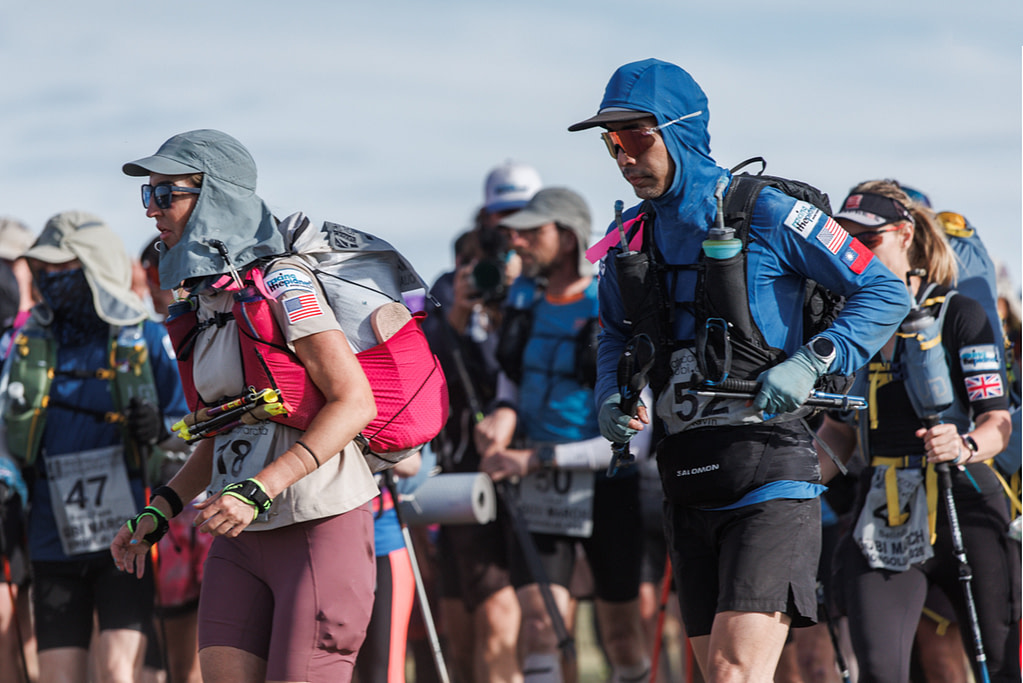
The race was self-supported, meaning you carry everything you need in your pack: food, clothing, sleeping gear, and mandatory equipment. The organizers provide water and a shared tent, but everything else goes on your back.
My pack weighed about 20 pounds (9 kg) at the start, excluding water.
To compare it with Kilimanjaro, imagine summit day, returning to high camp, recovering overnight, and doing it again the next morning. Then again. Then a double summit day. And another summit day. Making for 6 summits in 6 days. No individual day is necessarily overwhelming.The difficulty comes from stacking the efforts on top of one another without enough time or calories to fully recover.
Race Recap
Here are the distances of each stage as well as my ranking:
- Stage 1: 25.8 miles (24th)
- Stage 2: 26.8 miles (26th)
- Stage 3: 22.9 miles (21st)
- Stage 4: 50.3 miles (46th) – bonked!
- Stage 5: 25.4 miles (27th)
- Stage 6: 4.7 miles (19th)
- Overall: 155.9 miles (31st out of 125)
I generally completed each stage between 19th and 26th place. The exception was the long 50 mile stage, where I struggled and came in 46th place. Overall, I finished 31st out of 125 competitors with 6 drop outs.
But my finishing position was not the most interesting thing I took away from the race. It was how manageable the race felt. Except for the long stage, the days seemed to get easier.
Of course, they were not actually getting easier. We covered marathon distances each day without proper recovery time. Every morning, I started with more accumulated fatigue than the day before. My legs were increasingly sore. My feet had more and more pain. And the calorie deficit grew larger throughout the week.
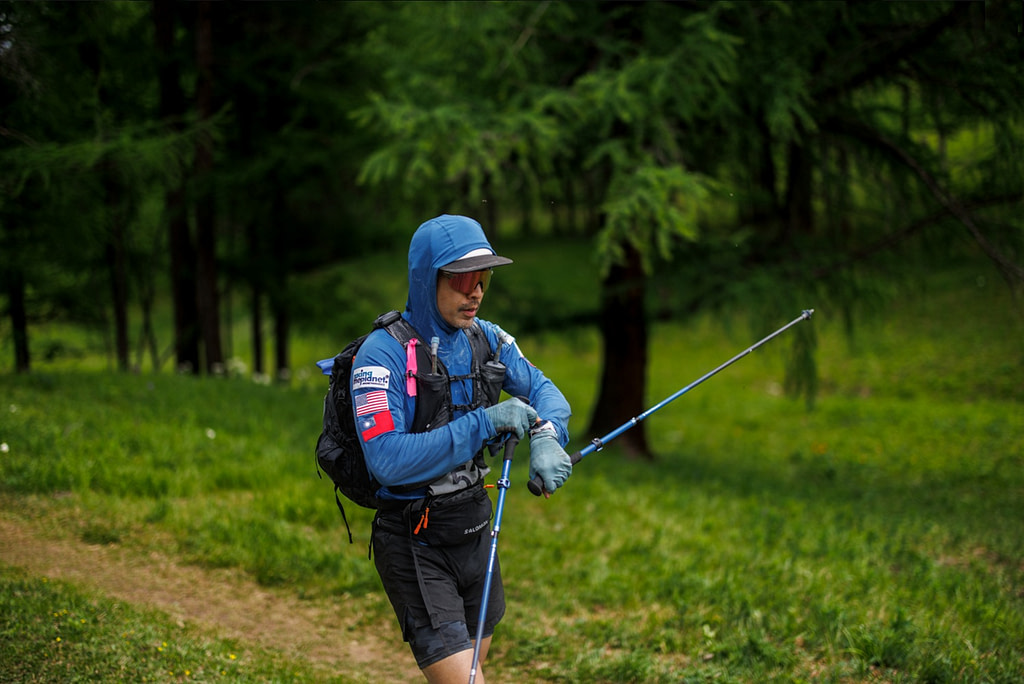
I should have been becoming progressively more tired, sore, depleted, and worn down. Instead, I felt more comfortable and more confident as the race went on.
If endurance were simply determined by how much physical capacity I had left, how could an event feel easier while my body was becoming more fatigued?
To understand that, we need to look at what actually causes us to quit.
Perceived Effort vs. Perceived Capability
Imagine two people participating in the same endurance event. For me, that might be running an ultramarathon. For you, it might be climbing Kilimanjaro. The pair are equally fit. They are moving at the same pace.
Person A thinks: “I’m tired, but I’ve got plenty left.”
Person B thinks: “I’m tired. I can’t keep doing this.”
Physically, there is no difference between them. But mentally, there is a huge difference. They differ in what each believes he can still do.
Researchers describe this using two important concepts. The first is perceived effort – how difficult an activity feels at that moment. The second is perceived physical capability – how much work you believe your body can still sustain.
As long as perceived capability remains above perceived effort, continuing feels sustainable. But perceived effort rises during prolonged exercise. Eventually, it may exceed what someone believes they can sustain. That is when the thought of quitting surfaces.
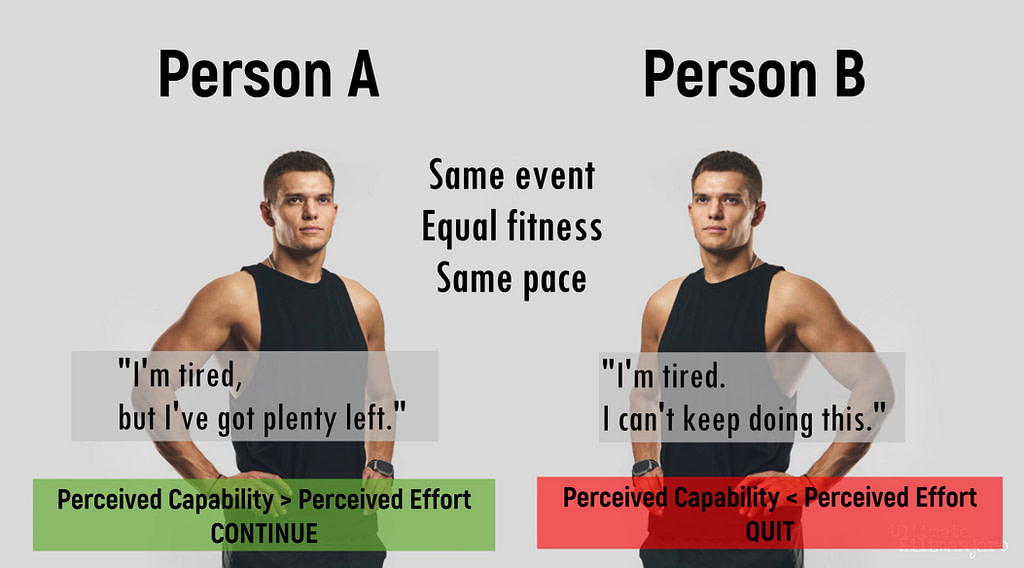
Notice that the body did not fail, at least not yet. But the person decided, perhaps prematurely, they could no longer continue.
This explains what was happening to me during the Gobi March. My actual physical capability was declining as the race progressed. I was accumulating fatigue, muscle soreness, foot pain, and minor injuries. I was burning far more calories than I could replace and consuming very little protein for recovery. That was not sustainable.
Had the race continued for another week, my physical condition would have continued to deteriorate. Eventually, my performance would have declined with it. Yet during those seven days, mentally, the opposite was happening.
I was becoming more confident. The routine, the distances, and even the discomfort became more familiar. There was less uncertainty about what the next day would bring. My perceived capability increased.
At the same time, running another marathon no longer seemed like an extraordinary task. It was simply what I did every morning. My perceived effort decreased.
That’s why the race felt increasingly manageable and easier every day. I was gaining confidence through the experience itself.
Experience, however, is not the only way to strengthen mental endurance. Over the years, I have developed strategies that help me prepare for and manage difficult situations. Some are habits I practice before the event begins. Others are tools I use when things get difficult. All of them can influence perceived effort, perceived capability, or both.
Here are five mental strategies that I used that can also help you on Kilimanjaro.
1. Get Comfortable With Monotony

When I train, I’m typically by myself. I bring my phone, but I don’t use it for entertainment. No music. No podcasts. No audiobooks. No conversation.
Instead, I observe my surroundings and let my mind wander. I might think about business, relationships, or something completely random. Other times, I think about nothing at all.
Boredom and monotony can increase perceived effort. But I have become very comfortable spending hours this way. And I train this way intentionally.
Endurance events involve long periods of monotony. So I want to be able to perform in this environment. If I use music or podcasts during every long workout, I am training myself to perform with constant stimulation. But once that stimulation disappears, the workout feels harder.
I would rather know that I can comfortably move for hours with nothing artificial occupying my mind. If I can do that, I can certainly do it with music. The reverse is not necessarily true. That doesn’t mean I think stimulation is bad. I think it can be very useful, especially when used strategically rather than as the default.
During the Gobi March, I completed every normal stage without listening to anything. And I was never bored. But late in the 50-mile (80 km) stage, I was struggling. My energy was gone and my body ached. Then the sun went down. There was no longer much to look at except what my headlamp illuminated a short distance in front of me.
At that point, I wanted stimulation.
So I played music from my phone. It sounded incredible. After several days without music, the effect was powerful. It gave my mind something new, something enjoyable to take in. The miles became more tolerable. My perceived effort decreased.
When training or climbing Kilimanjaro, don’t make stimulation something you need every minute. Train for monotony, so that the lack of stimulation does not increase your perceived effort. Then use stimulation to lower perceived effort when you actually need it. In other words, use stimulation as a tool, not a crutch.
2. Build Evidence That You Can Do Hard Things

Confidence matters in endurance. But confidence should be based on something.
When I enter a race or climb a peak, I fully expect to complete them. That doesn’t mean I never suffer. It doesn’t mean I never think about quitting. I do. But when those thoughts come from fatigue, discomfort, or a temporary low, I dismiss them. I simply don’t take them seriously.
Due to my history of finishing hard things. I’ve had negative thoughts many times before. I’ve been exhausted before. I’ve wondered whether I could keep going before. And yet, I haven’t failed yet. So when negative thoughts return, I have evidence to resist them. Doing hard things became part of my identity, fostering a “can do” attitude.
Compare that with someone who repeatedly tells himself:
- “I’m not a runner.”
- “I’m not a hiker.”
- “I’m not outdoorsy.”
- “I’m weak.”
These statements sound factual. Usually, they are not. They are conclusions someone has drawn about him- or herself.
Most first-time Kilimanjaro climbers don’t have years of mountaineering or high altitude trekking experience to draw from. They cannot honestly tell themselves: “I’ve done this before.”
But they can start building evidence before they arrive in Tanzania. Every training hike is evidence. So is every long walk, every difficult workout, and every time you keep going when you’re tired. By the time you reach Kilimanjaro, you have built a case for your own capability.
Then, if and when your mind says: “I don’t think I can do this,” you have something concrete to answer with.
- “I trained for this.”
- “I’ve done long hikes.”
- “I’ve been tired before.”
- “I know I can keep moving.”
That’s very different from blindly telling yourself: “I can do anything.”
Confidence should not depend on pretending something will be easy. It should come from evidence that you can handle difficulty. The more evidence you accumulate, the stronger that self-belief becomes.
This is one reason training is important. It helps even beyond improving fitness. It changes what you believe you can do.
That belief can legitimately improve your endurance because perceived capability is one component of the equation that keeps you going. Notice it, remember it, and build a record you can draw from later. Then, when doubts arise, you have hard evidence to push back.
You are not simply telling yourself you can continue. You have reasons to believe it.
3. Think Smaller

This is one of the oldest strategies in endurance sports. It is also one of the most useful.
Don’t think about the entire challenge. It’s too much. Make the problem smaller.
The Gobi March was 150 miles total, but I didn’t think about this distance. That number was irrelevant. I only needed to complete the stage in front of me. But even a single stage can feel overwhelming when you’re tired. So as fatigue increased, I progressively shortened the distance I allowed myself to think about.
First, the goal was to finish the stage.
Later, it was to reach the next checkpoint.
Then it was to reach the next course marker.
The more tired I became, the shorter my next goal would become. By making my obstacle smaller and smaller, I knew I could tackle it, even if that meant breaking the course into single steps.
This applies perfectly to Kilimanjaro. Don’t think about climbing the entire mountain. Just walk until the next camp, the next meal, or the next break.
If that seems too big, then make the goal the next switchback. Or the next 20 steps. You can always make the problem smaller. By doing so, the perceived effort decreases.
So when the entirety of the task seems too grand, chop it up in smaller chunks.
4. Play the “At Least” Game

Over the years, I developed a mental game that I use whenever I begin suffering. I call it the “At Least” game.
I didn’t learn this from a book. It is something I started doing naturally during endurance events.
Whenever my attention becomes dominated by what is going wrong, I remind myself of all the things that are in my favor:
- At least it’s not raining.
- At least I’m not sick.
- At least I don’t have blisters.
I used this on the first day of the Gobi March. I was getting tired, hoping I’d be done soon. My mind began focusing on the discomfort. So I started listing the things that were going well. And very quickly, the situation looked different. Because almost everything was going right.
The goal is not to pretend everything is good. The goal is to see the whole situation accurately.
Human attention can become dominated by a single problem. A blister, a sore knee, or headache becomes blown out of proportion. The “At Least” game zooms out. It reminds me that one problem is just one problem.
Suppose you are climbing Kilimanjaro and your legs are tired. Instead of thinking: “I’m falling apart,” you take inventory of all the things are that going well, and realize: “Most of me is doing fine.”
Looking at the whole picture can both lower perceived effort and increase perceived physical capability.
It’s OK to recognize a problem, just don’t let it become bigger than it truly is.
5. Let the Future Come to You

This is a strategy I discovered during the Gobi March. It happened during my lowest point of the race.
I was around Checkpoint 6 of the 50-mile (80 km) stage. I had covered roughly 35 miles (56 km). I was bonking badly. I made a mistake of not allocating enough calories to this double distance stage and I was running out of energy. My running speed and walking speed had converged to the same pace.
I still had approximately 15 miles (24 km) left. I was projecting my current discomfort across the entire remaining distance.
Then I began thinking about it differently. I estimated that I had around five hours left. And I told myself: “It’s just time.”
Five hours from now, I’d be done. Those five hours were going to pass no matter what I did. Because time moves forward automatically. As long as I was alive five hours later, the stage would be behind me. That thought was extremely comforting. I no longer had to do something to cover 15 miles. I was waiting for five hours to pass.
Looking back, I think I understand why this helped. It removed uncertainty. Instead of being forced to answer the question: “Can I keep doing this for another 15 miles?” The question disappeared. It not only reduced my perceived effort, it removed it entirely.
Before that moment, the finish was something I had to reach. Afterward, the finish was simply a point in the future. And the future was coming whether I worried about it or not. Finishing became inevitable in my mind. I stopped chasing the future. I let the future come to me.
This is different from breaking up the course into smaller intervals. Chunking makes the task smaller. But this removed the task from my conscious mind altogether.
There may be times on Kilimanjaro when this way of thinking helps. Summit night can feel endless.
People repeatedly ask:
- “How much farther?”
- “How much longer?”
- “Are we close?”
Sometimes the honest answer doesn’t help. Alternatively, remember that the time is moving. Dawn is coming. Every minute becomes the past.
You don’t need to mentally conquer all the hours that remain. Sometimes you simply need to let the future arrive and take comfort in its inevitability.
Caution: Know the Difference Between Unpleasant and Unsafe
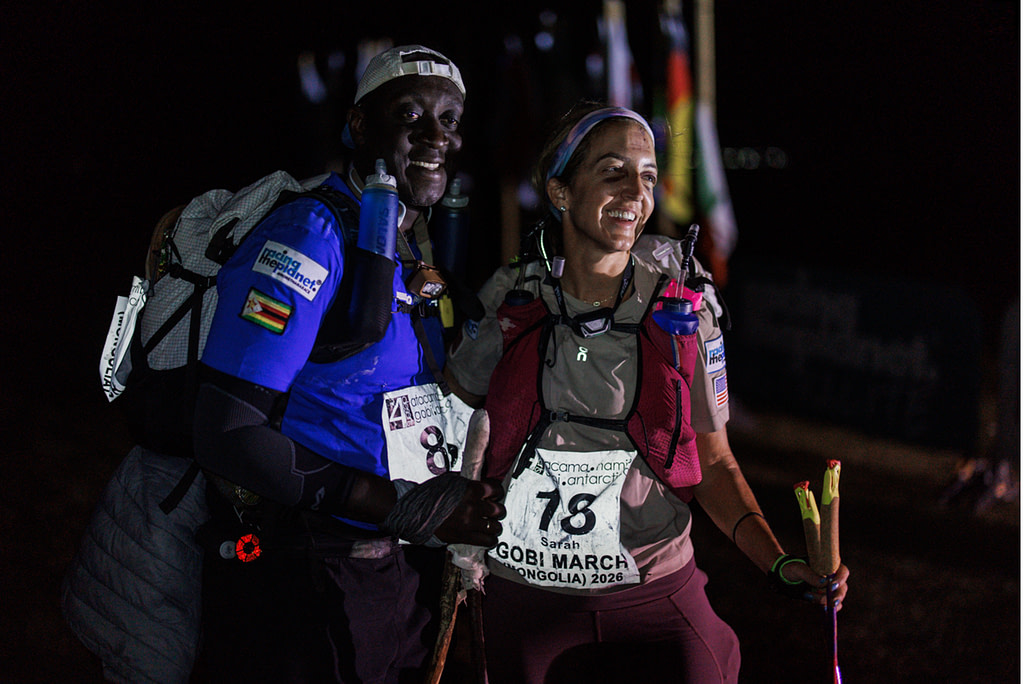
There is an important limit to everything discussed so far. Mental endurance does not override safety.
During the Gobi March, one of my tentmates fell. She struck her forehead. A large lump formed, along with several scrapes.
The question was not: “Is she tough enough to continue?”
The question was: “Is it safe for her to continue?”
She was examined by the medical staff and determined not to have a concussion. She was cleared to proceed and she did.
This distinction matters in every endurance event. Something can be extremely unpleasant without being dangerous. Fatigue is unpleasant. So are sore muscles, feeling cold, or being hungry. But none of these by themselves means you should stop.
However, some symptoms should be treated differently. This is especially important on Kilimanjaro. The goal is therefore not to ignore discomfort. The goal is to interpret discomfort correctly.
A climber must understand the difference between: “I’m tired” and “I’m sick.”
Between: “This is uncomfortable” and “This is unsafe.”
Mental strategies can help prevent unnecessary quitting. They should never encourage someone to ignore genuine danger.
It’s very important that all climbers be familiar with the symptoms of altitude sickness. You cannot outthink altitude sickness. You cannot out-tough HACE or HAPE.
Learn the difference between unpleasant and unsafe.
Conclusion
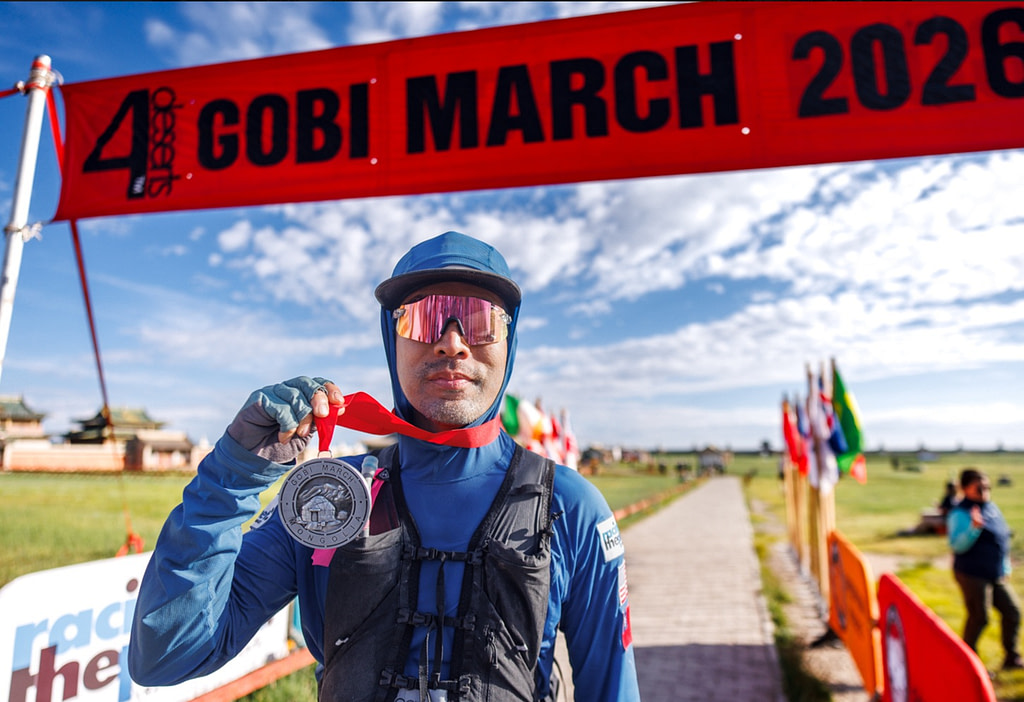
Mental endurance is often misunderstood.
People tend to reduce it to toughness. Push harder. Be stronger. Never give up.
That’s too simple.
On Kilimanjaro, your physical training matters. Acclimatization matters as does your gear, nutrition, and hydration. But on your expedition, there might be a time when climbing feels much harder than expected. That does not automatically mean you are finished.
Remember, endurance decisions are influenced by two important perceptions: how difficult the effort feels and how capable you believe you are of continuing. Neither is fixed.
The mental strategies I’ve outlined can lower perceived effort or increase perceived capability. And when thoughts of quitting arise, changing either one may be enough to keep you going. Because often, you are capable of more than your mind is telling you.