























Kilimanjaro is known as a “walk up” mountain.
The climb is essentially a long hike on established trails. No technical mountaineering skills are required. If you can walk, you can climb Kilimanjaro. Some people hear this and assume that training is unnecessary. They hear stories of ordinary travelers with little preparation reaching the summit.
From that, they conclude the mountain must be easy and can be climbed with no training.
But is this actually possible?
What “No Training” Actually Means
Stories about people summiting with no training can make it sound as if anyone can come completely unprepared and succeed. These tales should be taken with a grain of salt. Usually there is more to the story.

Frequently, those who say they “didn’t train” mean that they didn’t change their normal routine to prepare for the climb. Perhaps they run, cycle, hike, or cross train year round. These aerobic activities, done long term, could provide enough cardiovascular endurance and muscular durability for climbing Kilimanjaro. So even if these people didn’t do specific training for Kilimanjaro, they still had a reasonable level of general fitness before they set foot on the mountain.
However, there are people who show up with literally no training. They live a mostly sedentary lifestyle, don’t exercise at all, and are out of shape.
What happens to these people? Are they destined to fail?
The Two Limiting Factors: Altitude and Endurance
The difficulty of Kilimanjaro comes down to two main factors: altitude and endurance. While they seem connected, they are actually two different battles being fought by your body.
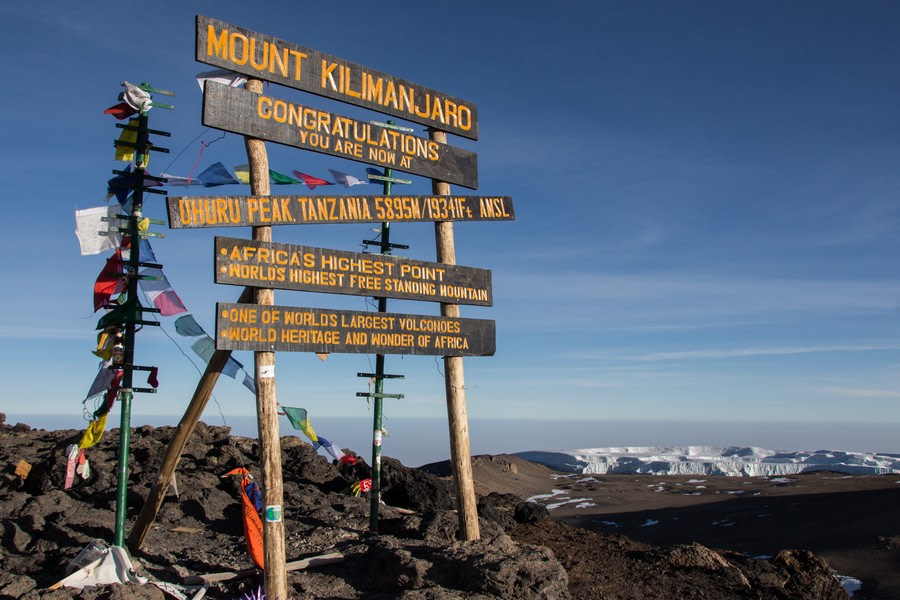
Altitude is the biggest variable. The summit stands at 19,341 feet (5,895 m) above sea level. At these elevations, low oxygen can lead to altitude sickness. Fitness alone does not determine how well someone handles altitude. Scientists believe genetics is the main influence. Two climbers with the same conditioning can react very differently to the same elevation. Some people acclimatize quickly, while others struggle.
Endurance is the other major factor. Kilimanjaro requires many hours of hiking day after day. Summit night, in particular, is very demanding. It typically takes six to eight hours to reach the summit, followed by a long descent which can take another four to six hours. Fatigue is a real concern.
These two forces, acclimatization and fatigue, act at the same time. And here is where training pays off.
Your body’s resources are limited. Think of it as an energy budget.
Every day, it must allocate energy towards:
- Hiking
- Recovering
- Acclimatizing
Imagine someone who is unfit. They spend most of their energy hiking and recovering. They work harder for every step. They reach camp depleted. And their body spends the night repairing muscle. Little is left for acclimatization.
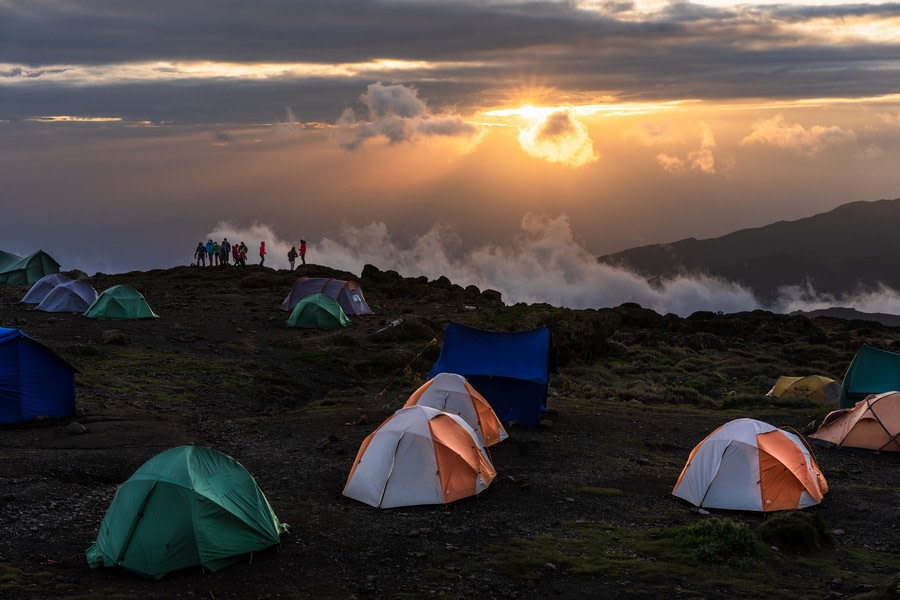
Fitness changes this equation. Someone who is trained can hike and recover with less effort. They arrive at camp feeling good rather than exhausted. This efficiency leaves a surplus of energy that can be used for acclimatization.
You may have heard about studies that show fitness and susceptibility to altitude sickness aren’t correlated. This is well established. But it misses a key component that affects people in the real world. These studies are conducted in controlled settings, where altitude is isolated from physical effort. The participants were typically resting or limited to light activity in simulated high-altitude environments.
However, on Kilimanjaro, you acclimatize while working. The physical strain of hiking adds a competing demand on your body.
While fitness does not change your inherent susceptibility to altitude sickness, it does improve your ability to acclimatize during a real climb. Why? Not because your physiology is different, but because the climb places less strain on your system, leaving more capacity for adaptation. Said another way, a fit version of yourself will usually acclimatize better than the unfit version of yourself.
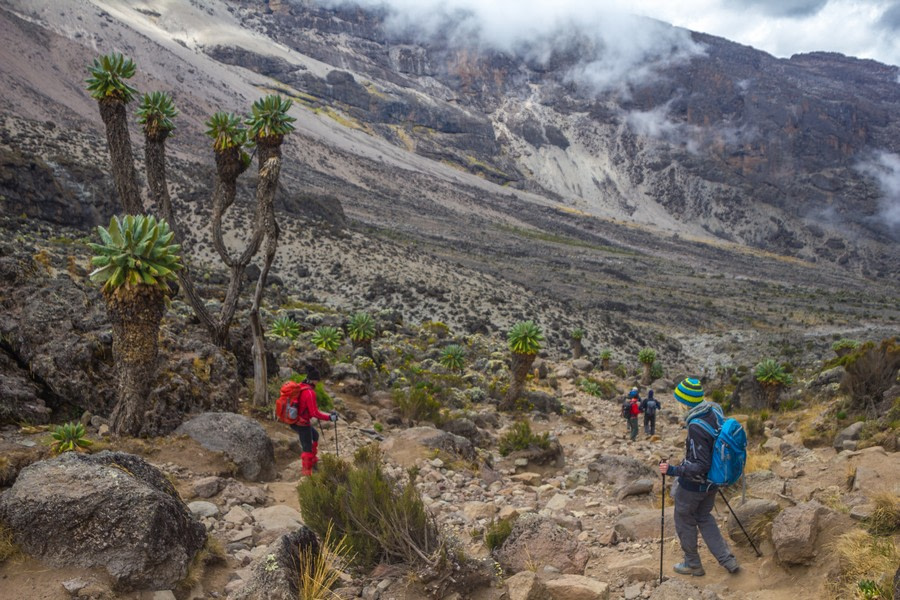
Who Gets Away With No Training
While training is always beneficial, some people are more likely to reach the summit even without specific preparation.
I already mentioned people who are active in their daily lives. They have a base level of endurance that enables them to handle the hike.
We also discussed the significance of a person’s genetic altitude response. Those who acclimatize quickly have an easier time weathering the systemic toll of low oxygen.
Younger climbers also have an advantage. They often tolerate physical stress more easily. Being close to their prime, they naturally have more stamina, strength, and balance than their older counterparts. And they recover faster.
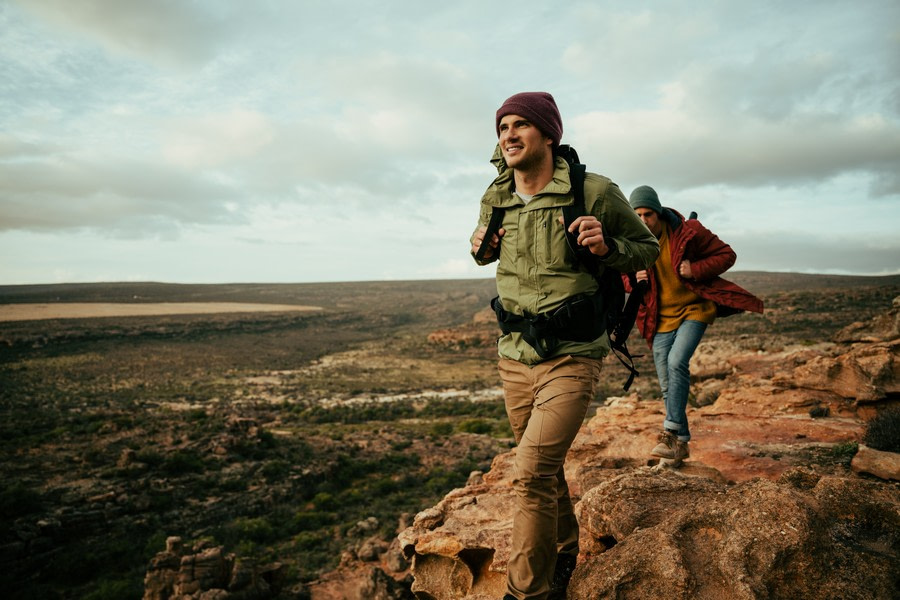
Experience in the outdoors also helps. Someone who has spent time hiking, trail running, or backpacking feels comfortable in the backcountry. This familiarity reduces stress and allows the body to relax into the routine of walking, eating, and sleeping on the mountain.
None of these things can completely replace Kilimanjaro specific training, but they explain why some climbers succeed without it.
Who Can’t Afford to Skip Training
While some people may reach the summit without training, there are certain groups of climbers who should strongly consider preparing well before the trip.
Anyone who lives a mostly sedentary lifestyle will benefit greatly from training. If you rarely exercise or spend long hours sitting during the day, the sudden increase in physical activity can be a shock to the body. Muscles, joints, and the cardiovascular system are all stressed at once, compounded by altitude.
People who have never hiked before should also take time to prepare. Kilimanjaro involves consecutive days of walking. Even though the pace is slow, the cumulative effort can be challenging for someone who is not used to long days on their feet.
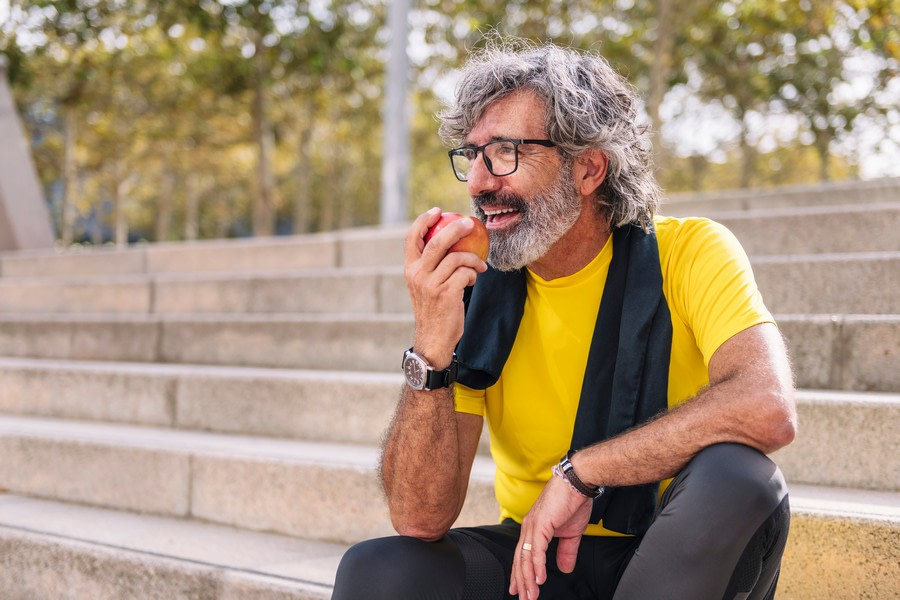
Older climbers should take training more seriously. Aerobic capacity tends to decline with age. As aerobic capacity declines, the workload on the heart increases, especially at altitude. Cardiac events are a known cause of fatalities on Kilimanjaro. Training helps build a stronger aerobic base and reduces the strain on the heart during the climb.
Finally, climbers attempting shorter itineraries should be better prepared physically. Routes that allow less time for acclimatization often require longer hiking days, which increases the overall physical demand.
For these groups, even modest training can make a substantial difference.
What Happens When Someone Is Untrained?
When climbers arrive without training, the effects usually appear within the first few days on the mountain.
Pace is typically the first problem. Kilimanjaro is climbed at a slow, comfortable pace. Nearly everyone is capable of moving faster, but our guides intentionally control the group’s pace to ensure gradual elevation gain. For unfit climbers, even this effort may prove too taxing. They struggle to keep up, stop frequently, and fall behind the group.
Muscle soreness follows. By the second or third day, the soreness increases as the trek continues.
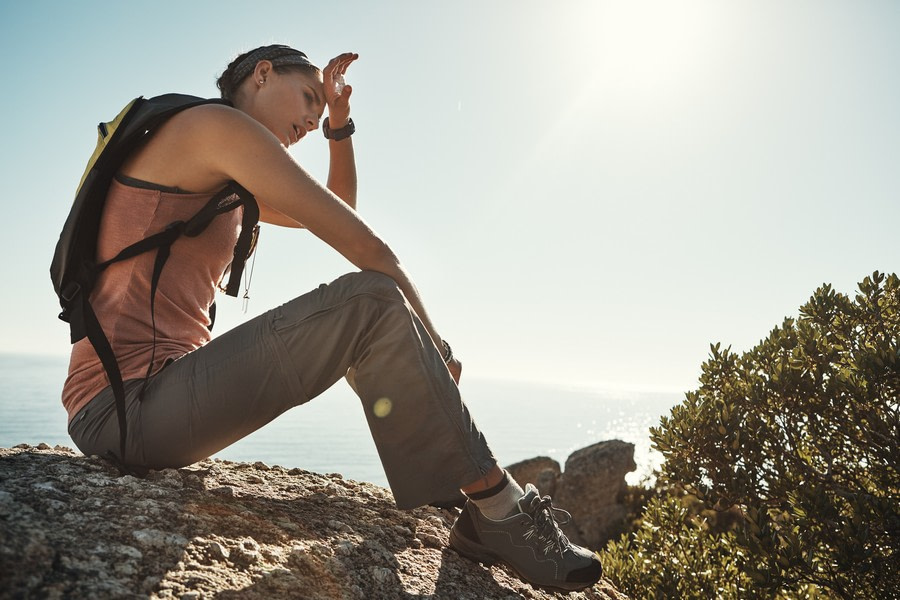
Fatigue sets in as well. A long day of hiking leaves them drained, to the point where full recovery before the next day is unlikely. Over the course of the climb, this carries over from one day to the next. By the time summit night comes, they’re worn down.
This fatigue has an affect on mindset. Without training, there is more uncertainty around what the body can handle. You don’t know how your body will respond to the work that’s required. That doubt makes it harder to stay composed when tested. When the mind starts to falter, the body often follows.
Summit night is the ultimate test for fitness. A steady, sustained effort is required. Most people find the push much harder than they expected. The difference between those who are well prepared and those who aren’t becomes clear.
Blisters are another common problem. Skin needs time to adapt to repeated friction. Feet that are not accustomed to long hikes can develop hot spots quickly.
As discussed earlier, fitness also affects acclimatization. Higher fatigue leaves less capacity for your body to adapt to altitude, which can contribute to altitude sickness.
None of these issues necessarily prevent someone from reaching the summit. But they can make the climb more difficult than it needs to be and can reduce the enjoyment of the experience. So while it is possible to successfully climb Kilimanjaro without training, it’s not advisable.
The good news is that training does not need to be complicated. The right approach depends on your starting point.