


















Do you need a Yellow Fever Vaccination Certificate for Kilimanjaro? For most travelers from the US, UK, Canada, and Australia, the answer is No—unless your flight itinerary includes specific high-risk stopovers.
The Rule: Proof of vaccination is required ONLY if you are arriving from, or transiting for more than 12 hours through, a high-risk country.
High-Risk Countries
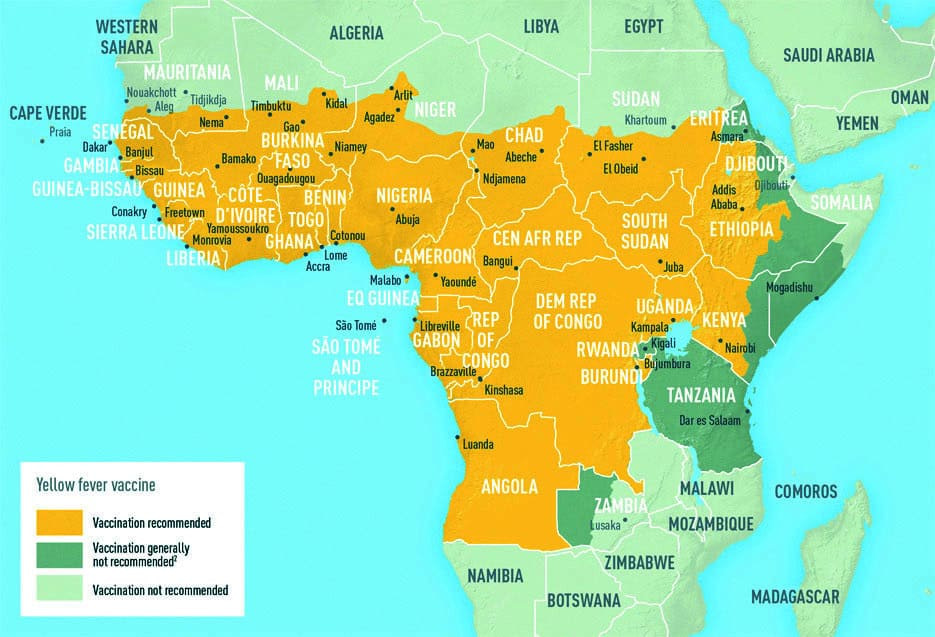
If you are traveling from or spending more than 12 hours in these nations, you must carry your certificate:
AFRICA: Angola, Benin, Burkina Faso, Burundi, Cameroon, Central African Republic, Chad, Republic of the Congo, Democratic Republic of the Congo, Côte d’Ivoire, Equatorial Guinea, Ethiopia, Gabon, Gambia, Ghana, Guinea, Guinea-Bissau, Kenya, Liberia, Mali, Mauritania, Niger, Nigeria, Senegal, Sierra Leone, South Sudan, Sudan, Togo, Uganda.
AMERICAS: Argentina, Bolivia, Brazil, Colombia, Ecuador, French Guiana, Guyana, Panama, Paraguay, Peru, Suriname, Trinidad and Tobago, Venezuela.
What is Yellow Fever?
Yellow Fever is a serious virus spread by the bite of an infected mosquito. The World Health Organization estimates there are 200,000 cases and 30,000 deaths worldwide each year.
The disease typically progresses through three distinct phases:
- Phase 1: Sudden onset of fever, chills, headache, backache, nausea, and vomiting.
- Phase 2 (Remission): Most patients recover after the first phase, but for 15% to 25%, the disease returns in a deadlier form.
- Phase 3 (Toxic): Symptoms include jaundice, renal failure, and internal bleeding, including “black vomit” (vomiting of blood). In severe cases, this leads to delirium, coma, and death.
No specific treatment exists for yellow fever. Medical care focuses on easing symptoms through rest and fluids, often requiring hospitalization.
Vaccination & Prevention
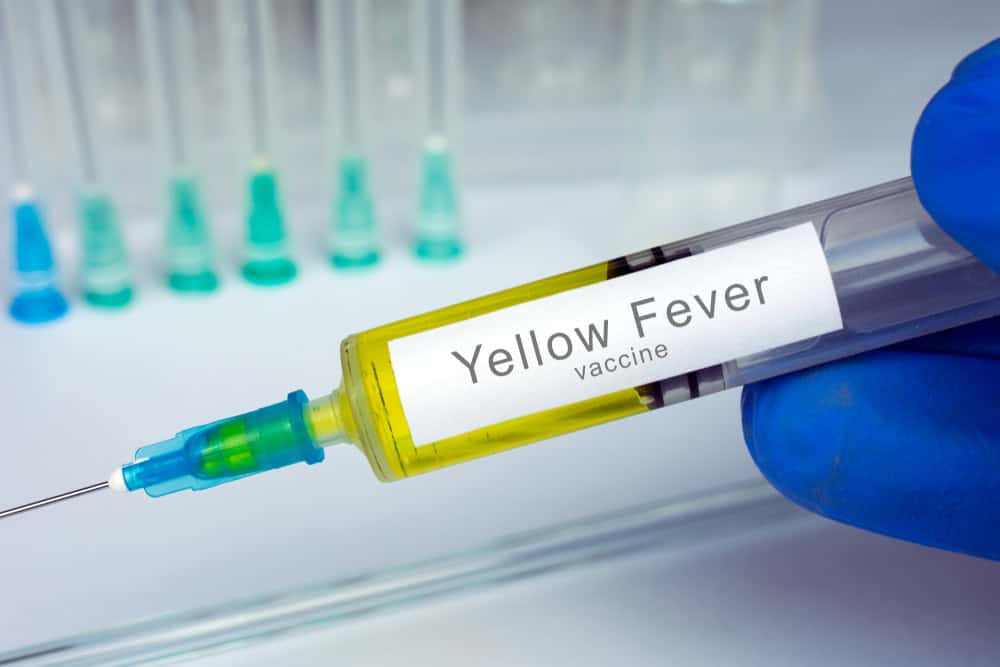
The yellow fever vaccine is 100% effective. It is given as a single dose and should be administered at least 10 days before arrival. While the CDC generally does not recommend the vaccine for Tanzania-only travelers, it is required for those entering from risk zones.
Mosquito Prevention on the Trail
Because Kilimanjaro is a high-altitude environment, mosquitoes do not thrive on the actual climb. However, you must take precautions in town (Moshi/Arusha):
- Use insect repellent containing DEET or picaridin.
- Wear long sleeves and pants during dusk and dawn.
- Sleep under mosquito netting if provided by your lodge.