

































The Global Peace Index (GPI) is a measurement of how peaceful a country is across three primary areas: ongoing conflict, societal safety, and militarization. Analysts study crime levels, political stability, incarceration rates, and military spending to produce a numerical score. Lower scores indicate higher levels of peace.
Here is a list of Africa’s top ten safest countries by GPI. Note that there are 163 countries in the world.
Top 10 Safest Countries in Africa
| Rank | Country | GPI Score | World Rank |
|---|---|---|---|
| 1 | Mauritius | 1.586 | 26 |
| 2 | Botswana | 1.743 | 43 |
| 3 | Namibia | 1.789 | 50 |
| 4 | The Gambia | 1.855 | 55 |
| 5 | Sierra Leone | 1.887 | 57 |
| 6 | Madagascar | 1.895 | 59 |
| 7 | Ghana | 1.898 | 61 |
| 8 | Zambia | 1.914 | 64 |
| 9 | Senegal | 1.936 | 69 |
| 10 | Liberia | 1.939 | 70 |
1. Mauritius
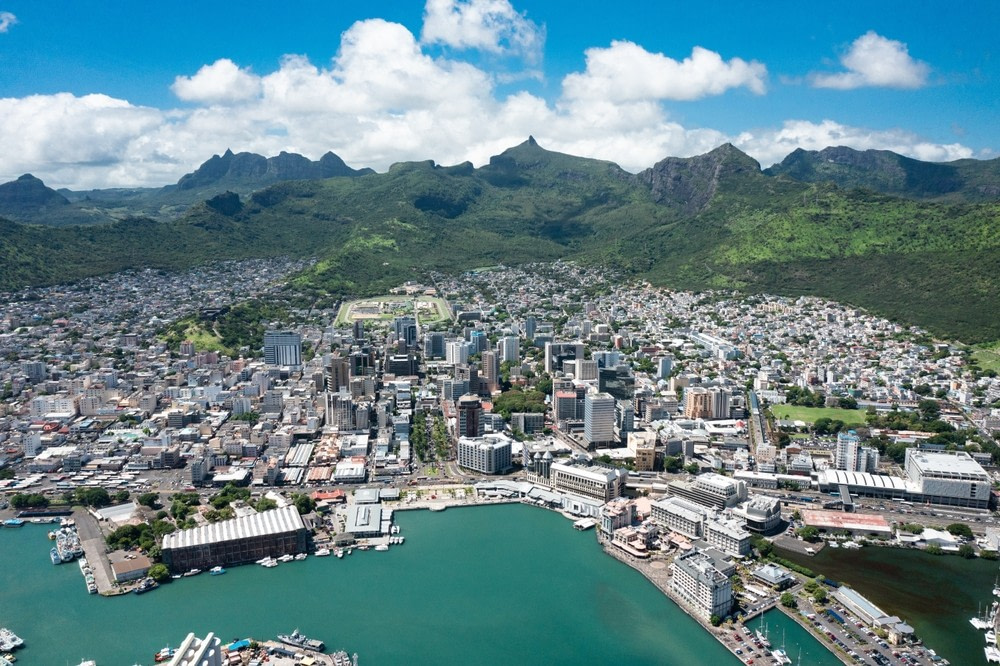
Mauritius is Africa’s safest country and the 22nd safest country in the world. It is a small island nation in the Indian Ocean, reflecting a blend of African, Asian, and European influences. Its economy benefits from tourism, textiles, and financial services. A multilingual population speaks English, French, and Creole, further adding to the island’s cultural mix.
Crime is relatively low, thanks to stable governance and substantial social welfare policies. Petty theft can happen in crowded areas, but serious incidents are uncommon. Officials remain proactive about maintaining a peaceful environment for both residents and guests.
Resorts with coral reefs attract those looking for tropical seascapes. Port Louis, the capital, features lively markets and museums that highlight the nation’s heritage. Inland, hikers explore volcanic peaks and waterfalls set amid lush forests.
2. Botswana
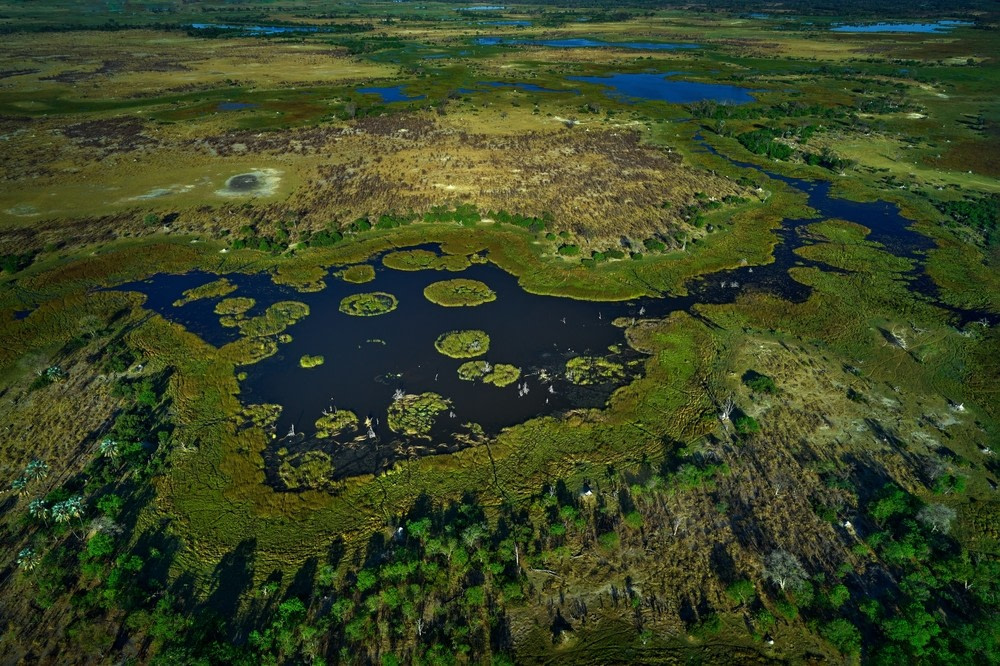
Botswana is celebrated for its stable democracy and wealth generated by diamond mining. The population is relatively small, centered around key urban centers like Gaborone. A tradition of responsible governance helps keep public services and infrastructure functioning well.
Safety remains a priority. Crime rates are modest, with occasional issues in bigger towns. In safari zones, regulations help protect wildlife and visitors alike, fostering a sense of security among travelers.
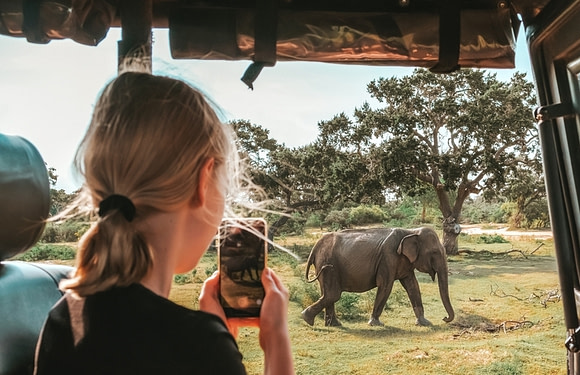
Many visitors come to explore the Okavango Delta, a vast wetland teeming with elephants, hippos, and birdlife. Chobe National Park is another must-see for those hoping to spot large herds of elephants. Venturing into the Kalahari allows cultural exchanges with local communities who have long adapted to desert life.
3. Namibia
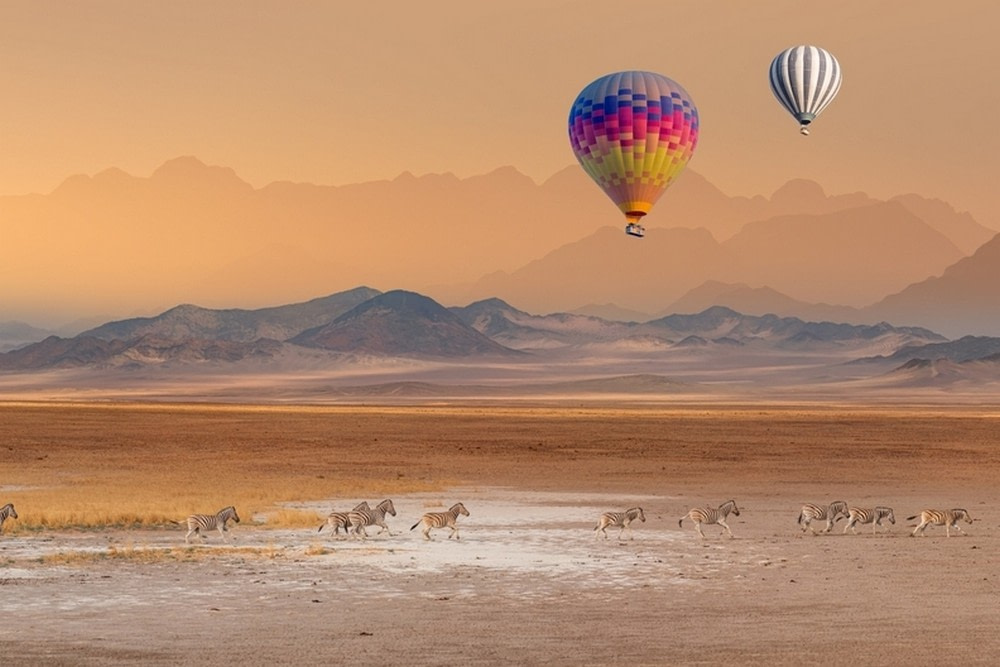
Namibia sits in southwestern Africa, known for its sweeping deserts, scenic coastlines, and sparse population. Mining and agriculture shape the economy, and you’ll find German colonial influences in Windhoek’s architecture and local culture. English is widespread, easing travel logistics.
Serious crime is relatively low, though visitors should stay alert in urban centers for petty theft. A stable democracy and conservation-focused policies help maintain a peaceful atmosphere, especially in remote regions where wildlife thrives.
Etosha National Park offers an accessible safari experience around massive salt pans, often visited by elephants, lions, and rhinos. The towering red dunes of Sossusvlei make for iconic photographs, while Swakopmund’s coastal setting invites activities like sandboarding and quad biking.
4. The Gambia
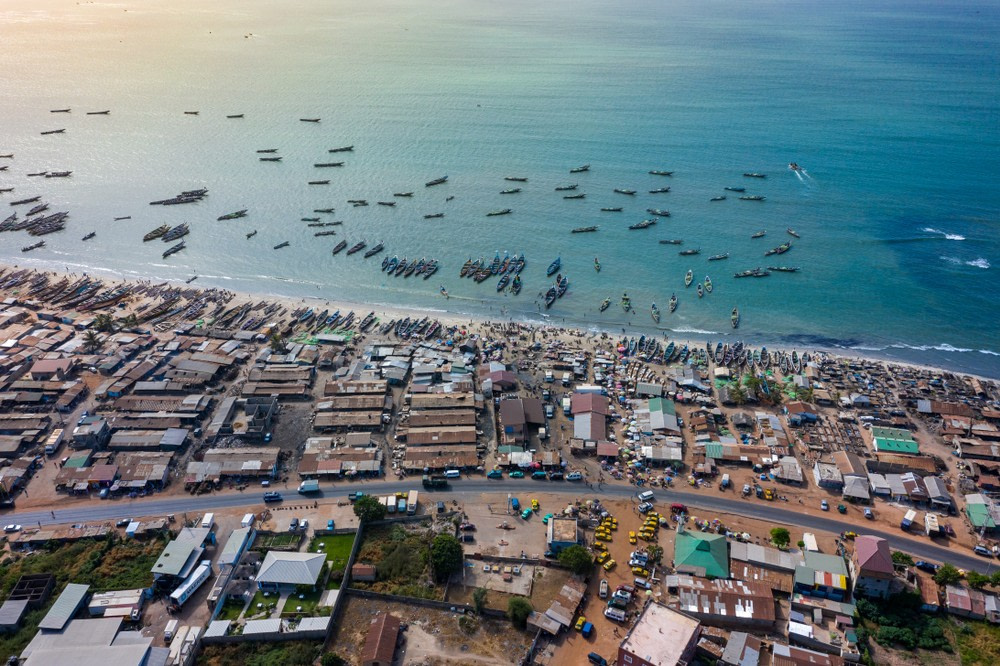
The Gambia is mainland Africa’s smallest country. It hugs the Gambia River as it flows west to the Atlantic. Agriculture and tourism underpin the economy, with peanut cultivation and fishing important to rural livelihoods. Banjul, the capital, still shows evidence of its British colonial past.
Recent political reforms broadened civil liberties, though visitors should remain vigilant at night and in crowded places. Overall, coastal resorts and organized tours make for a relaxed travel setting, supported by government efforts to enhance security in these zones.
Beaches stretching along the Atlantic are a prime attraction. River cruises give glimpses of rich birdlife and local settlements. Traditional music and dancing offer engaging cultural insights, often organized as part of community-based tourism initiatives.
5. Sierra Leone
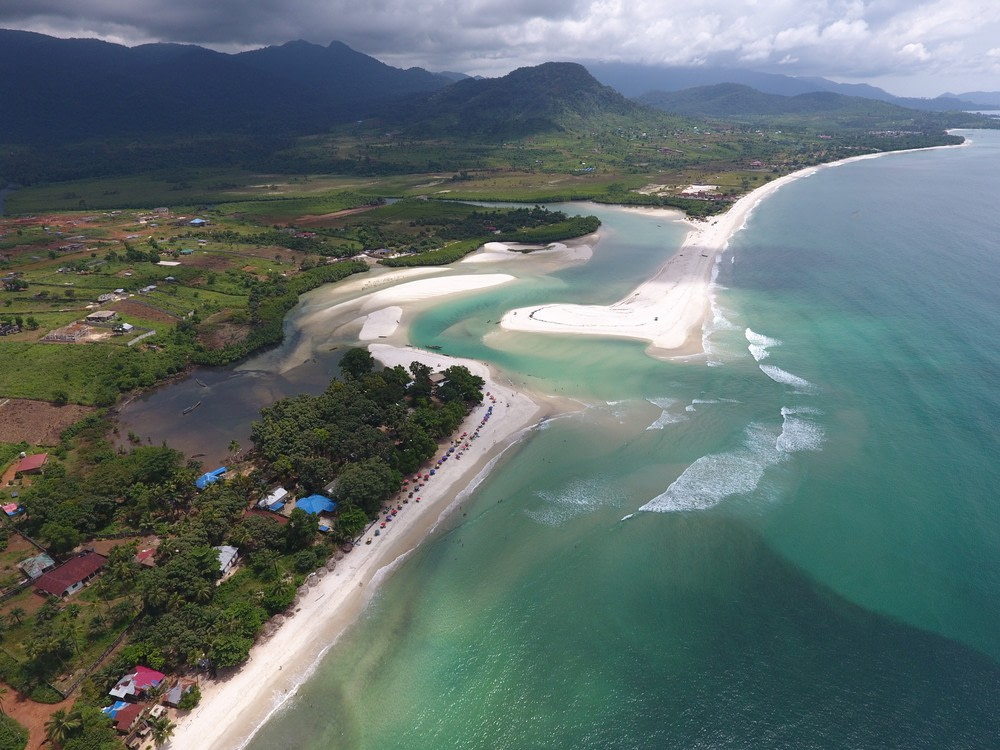
Sierra Leone sits on West Africa’s Atlantic coast, featuring beaches, rolling hills, and a broad musical culture. Mining and agriculture drive the economy, but tourism is gaining ground as the country continues to rebuild from past conflicts.
Peace-building programs have lowered tensions, resulting in an improving security environment. While petty crime can occur in Freetown, most visitors find locals warm and eager to share everyday life and traditions.
Freetown’s beaches are a main lure for travelers seeking scenic coastlines. Some head inland to Tiwai Island, where pristine rainforests shelter numerous monkey species and exotic birds. Markets and music festivals in the capital further highlight the nation’s cultural diversity.
6. Madagascar
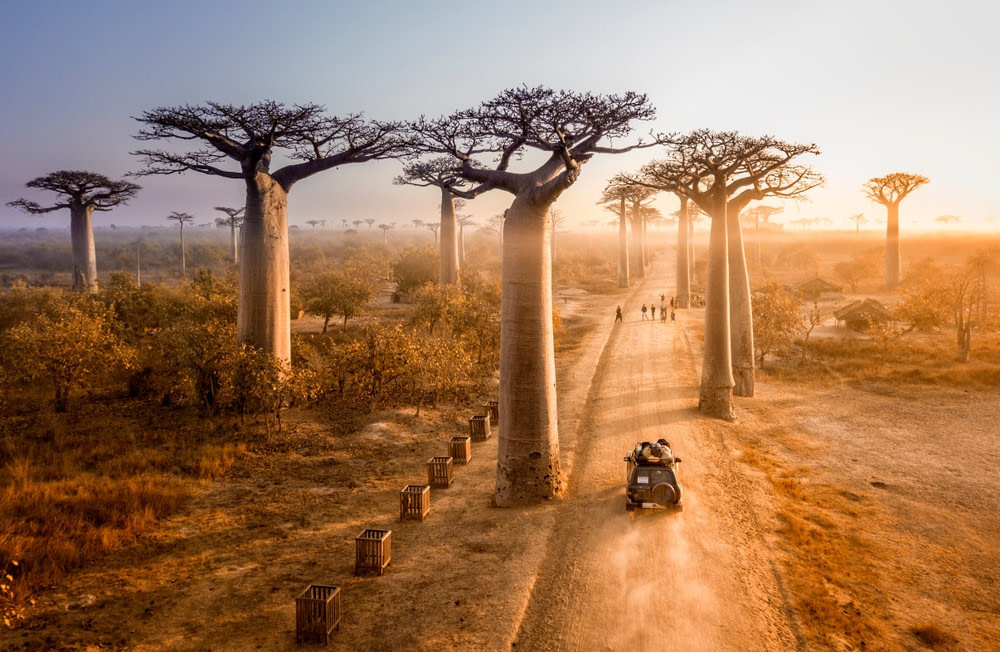
Madagascar is an island positioned off Africa’s southeast coast, famed for its unparalleled biodiversity. Lemurs, baobab trees, and countless endemic species thrive here, supported by agriculture and fishing in rural areas. Several ethnic groups keep local traditions alive, and French remains a key language due to historical ties.
Political stability has improved in recent years, but some regions still experience petty crime. Travelers often join guided tours for added safety, especially when venturing off main roads. Most locals are hospitable and keen to share their cultural practices with respectful visitors.
Nature reserves like Andasibe-Mantadia and Ranomafana draw ecotourists eager to observe unique wildlife. The Avenue of the Baobabs offers striking photo opportunities at sunrise or sunset. Coastal areas present snorkeling and beach relaxation, broadening Madagascar’s appeal to different types of travelers.
7. Ghana
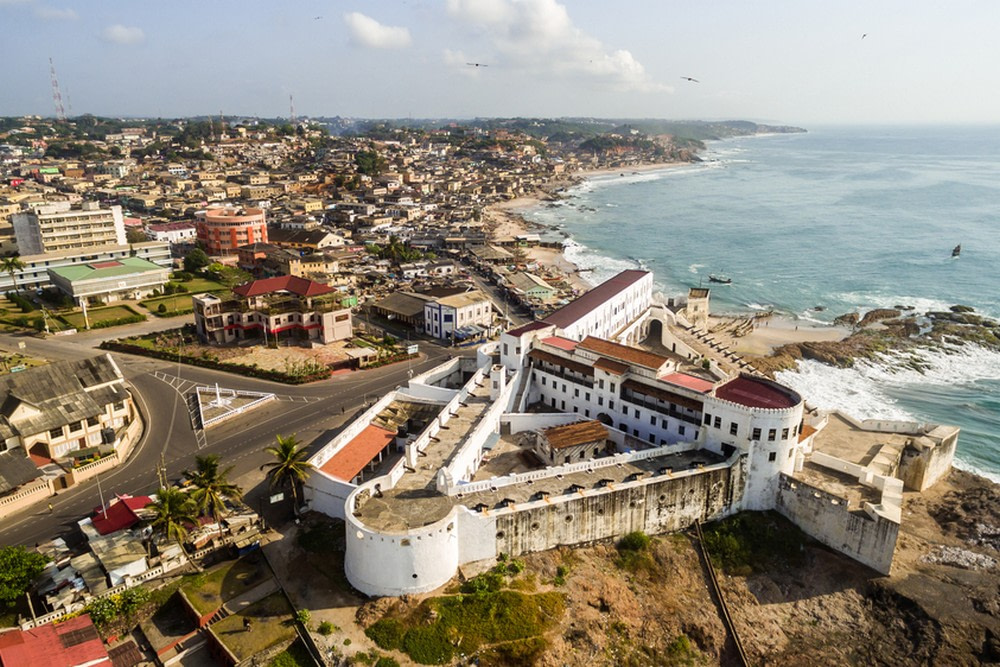
Ghana is one of West Africa’s leading democracies, it is home to more than 70 ethnic groups and a vibrant economic scene driven by exports of cocoa, gold, and oil. This cultural diversity creates a lively atmosphere of festivals, music, and food.
Crime remains moderate, particularly in large cities, but peaceful elections and trustworthy institutions keep major conflict in check. Accra’s combination of modern districts and traditional markets offers both convenience and authentic Ghanaian experiences.
Visitors often head to Cape Coast Castle for a deeper look into the country’s past. Nature lovers explore the rainforest canopy walkway of Kakum National Park, while city dwellers can enjoy Accra for its evolving arts, fashion, and culinary landscapes.
8. Zambia
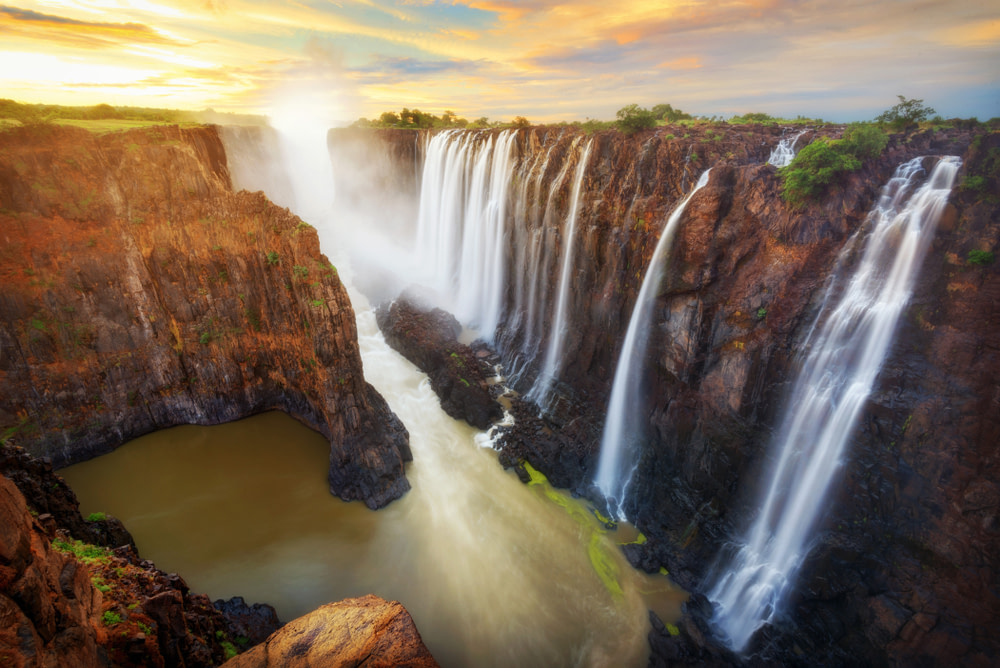
Zambia is a landlocked country in south-central Africa. It is known for its landscapes and vibrant cultural traditions. Most people live in the central and northern regions, where agriculture and mining drive the economy. Copper mining stands out as a mainstay of the country’s development, contributing a significant share of export revenue. English is the official language, though local cultures remain strong with more than 70 indigenous languages in daily use.
Crime is generally low in main tourist zones, though pickpocketing can happen in crowded markets. Local authorities and tourism operators often work together to preserve a welcoming atmosphere for visitors.
The country’s star attraction is Victoria Falls, a shared wonder with Zimbabwe. Many adventure-seekers also enjoy rafting on the Zambezi River or exploring national parks like South Luangwa. Safari camps cater to varied budgets, from rustic lodges to upscale retreats. Cultural festivals, showcasing traditional music and dance, add another dimension to a visit here.
9. Senegal
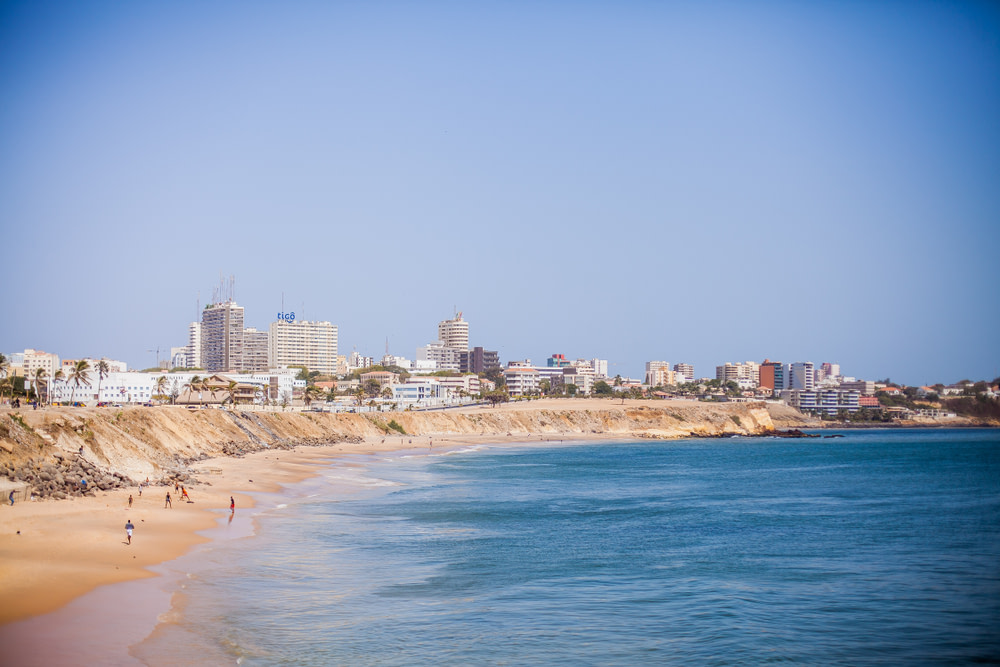
Senegal ranks among the safest countries in Sub-Saharan Africa, reflecting a long record of political stability and relatively low levels of internal conflict. Since independence, the country has avoided civil war and has experienced peaceful transfers of power, which is rare in the region. Democratic institutions are well established, and the military remains firmly under civilian control.
Violent crime exists, particularly petty theft in parts of Dakar, but serious incidents involving tourists are uncommon. Security forces maintain a visible presence in urban areas, and extremist activity has remained limited despite instability in neighboring Sahel countries. Senegal’s geographic position and strong intelligence cooperation have helped insulate it from the worst regional spillover.
Visitors are drawn to Senegal’s Atlantic coastline, historic Gorée Island, and vibrant music and arts scene. National parks such as Niokolo-Koba offer wildlife viewing in controlled settings. Tourism infrastructure is mature by regional standards, making Senegal one of West Africa’s most accessible and predictable destinations.
10. Liberia
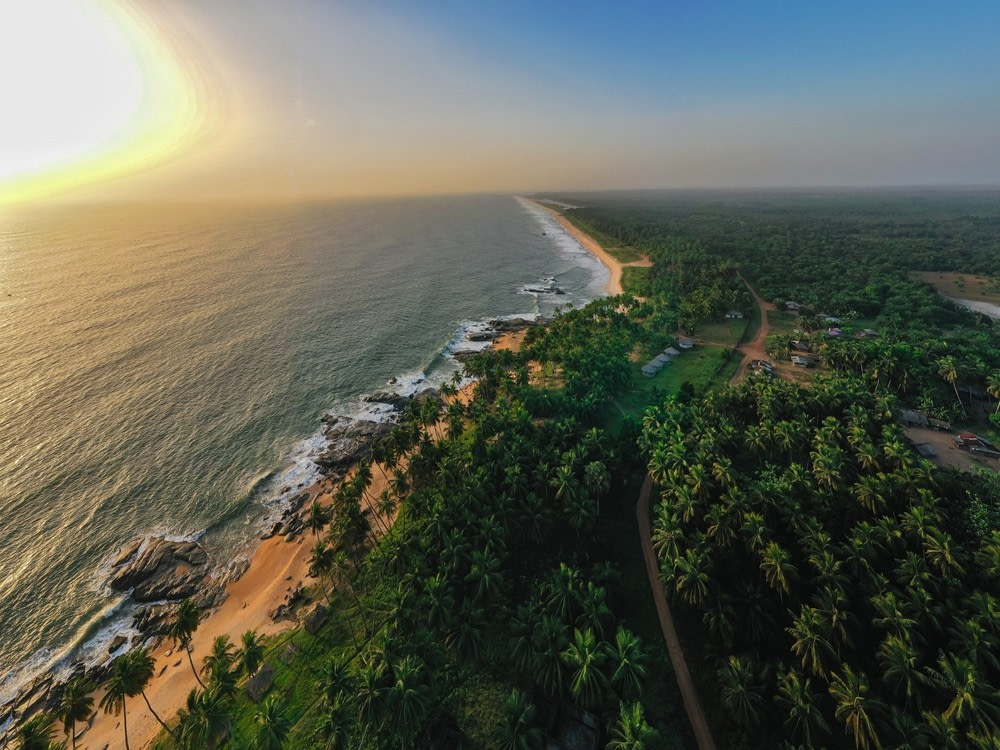
Liberia lies on the coast of West Africa, tracing its origins to 19th-century settlers from the United States. Modern efforts focus on diversifying beyond rubber and agriculture, promoting education, and upgrading infrastructure. English is widely spoken, though indigenous languages contribute to a rich cultural mosaic.
Crime is more common in economically stressed zones, so visitors are wise to stick to recognized districts. Government reforms target social stability, with many locals welcoming outsiders curious about Liberia’s past and present.
Beaches and rainforests promise low-key exploration for nature lovers. Monrovia features markets selling handmade crafts, plus eateries serving hearty local dishes. Though tourism amenities are fewer than in some neighboring countries, adventurous travelers may enjoy discovering Liberia’s untapped potential.
Where Does Tanzania Rank?
Tanzania is Africa’s 12th safest country. Located in East Africa, its land spans from Lake Victoria to the Indian Ocean. Agriculture, mining, and tourism are key parts of its economy, and Swahili unites a linguistically diverse population. Government efforts focus on steady development and preserving natural habitats.
Crime is modest in major tourist hubs, though common-sense precautions apply. Political stability adds to the country’s appeal, with authorities collaborating with local businesses to ensure visitor safety on treks and safaris.
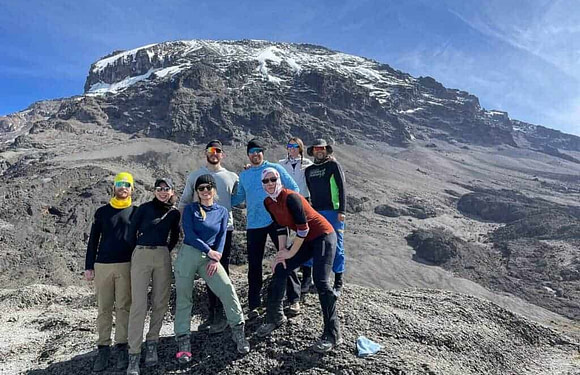
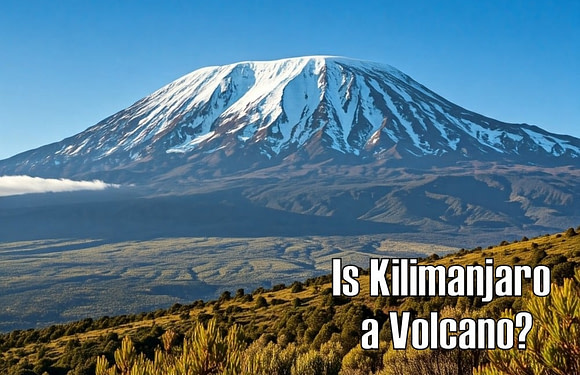
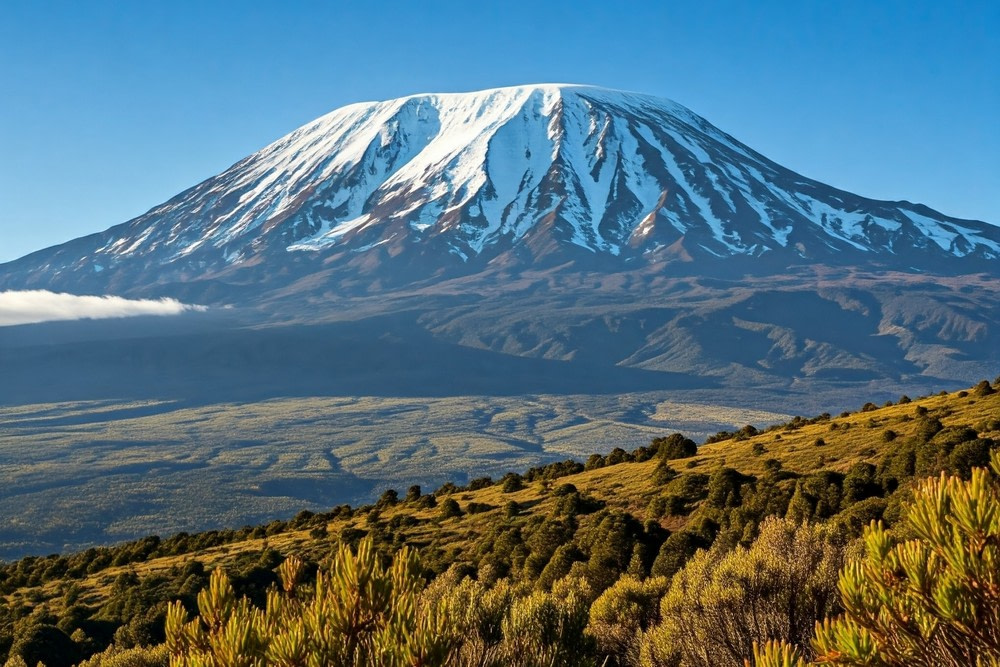
Mount Kilimanjaro stands as a top draw for climbers, while the Serengeti and Ngorongoro Crater deliver classic wildlife-watching experiences.Zanzibar’s turquoise waters and historic Stone Town architecture offer a coastal escape that contrasts with the mainland’s big-game adventures.
Comparison: United States, United Kingdom & Other Countries

Many people have a perception that all of Africa is dangerous. However studies show that the 10 African nations listed above are relatively peaceful when compared to other regions of the world.
Let’s compare Africa’s safest countries to western countries.
- Iceland is the safest country in the world (GPI 1.124), a position it has held since 2008, driven by extremely low levels of violent crime, minimal militarization, and strong social cohesion.
- New Zealand ranks 4th globally (GPI 1.313), consistently scoring well for low internal conflict, stable institutions, and limited involvement in external disputes.
- Canada ranks 14th (GPI 1.491), reflecting strong social services, low militarization, and effective policing, though its score has edged slightly higher than in earlier years.
- Australia places 18th worldwide (GPI 1.505), supported by stable governance and low levels of internal conflict, with incarceration rates and regional security commitments weighing modestly on its score.
- The United Kingdom ranks 30th globally (GPI 1.634). Violent crime remains relatively low by international standards, but higher militarization and periodic unrest prevent a higher ranking.
- The United States ranks 128th out of 163 countries (GPI 2.443), driven by high levels of violent crime, political polarization, widespread gun ownership, and elevated military expenditure.