








The Iceman on Kilimanjaro: A Study in Human Limits
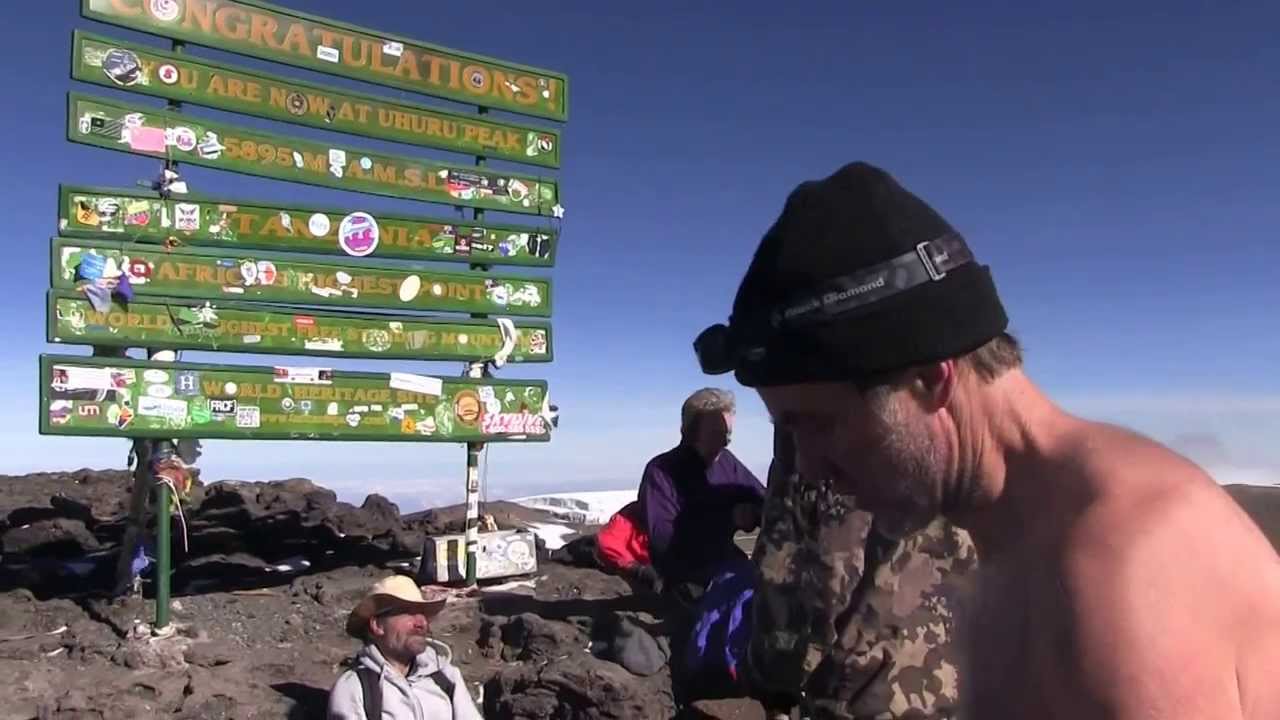
In one of the most unconventional expeditions in the mountain’s history, Dutch daredevil Wim Hof—widely known as “The Iceman”—led a group of 26 climbers to the summit of Mount Kilimanjaro wearing nothing but shorts.

The 48-Hour Ascent
While a standard successful climb takes seven to nine days for acclimatization, Hof’s group reached Uhuru Peak (19,340 ft) in just 48 hours. This achievement was previously considered physiologically impossible by the Dutch Mountaineering and Climbing Federation.
At the summit, oxygen levels are less than 50% of sea-level pressure, and temperatures frequently hit -20°C. Despite this, eleven members of the team reached the peak without shirts.
The Science of the Hof Method
The participants, aged 29 to 65, were not professional mountaineers. Several members even managed chronic conditions like asthma and rheumatism during the trek. Hof attributes their success to three specific pillars:
- Controlled Breathing: Specialized techniques to increase oxygen saturation and influence the autonomic nervous system.
- Cold Exposure: Training the body to regulate internal temperature without the need for external layers.
- Mental Focus: Using the power of the mind to suppress the body’s natural “panic” response to extreme environmental stressors.
Hof argues that modern humans have become dependent on “pills and powders,” forgetting their innate ability to respond to extreme environments. “I want to show the world that they can do much more themselves,” he noted.
“Until now the world thought that only I was capable of conquering extreme cold and altitude. These heroes have shown that everybody is able to do what I am doing.”
— Wim Hof
⚠️ Safety Warning on Rapid Ascent
While Hof’s achievements are scientifically fascinating, rapidly ascending Kilimanjaro in 48 hours is extremely dangerous for the general public. Without proper acclimatization, climbers are at severe risk of High Altitude Pulmonary Edema (HAPE) and Cerebral Edema (HACE). Standard expeditions require a much slower pace to ensure climber safety.
Expedition Video
Ready to start your own (properly clothed) adventure? Explore our Beginner’s Guide to Climbing Kilimanjaro.


