
































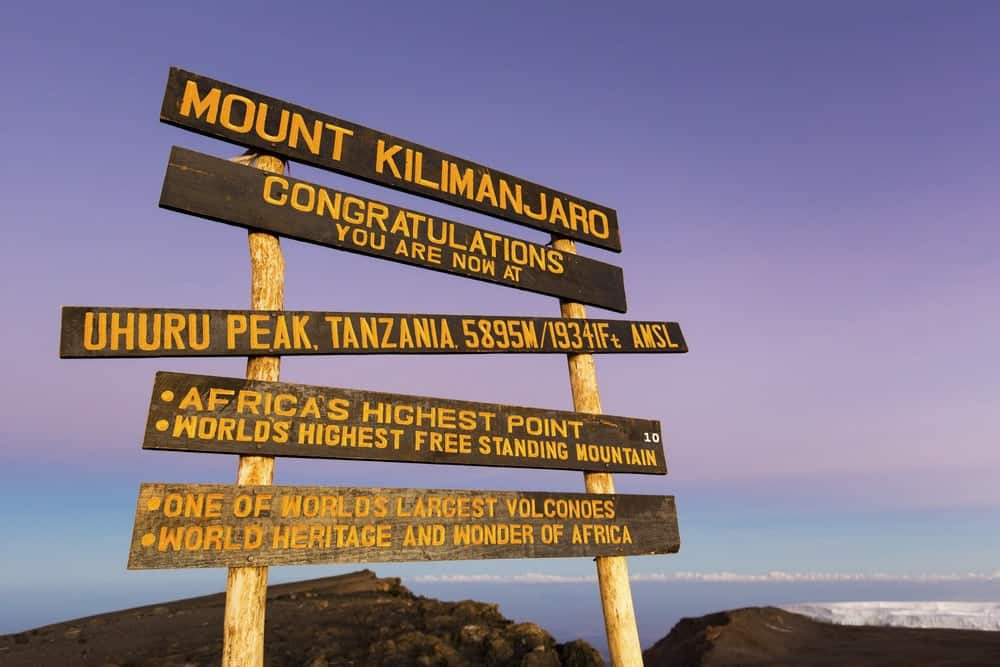
For many adventurers, the sight of the wooden sign at Uhuru Peak is the most rewarding moment of their lives. It represents the culmination of physical grit, mental determination, and the successful trek to the Roof of Africa. However, the sign itself has a storied history of its own.
A Return to Tradition
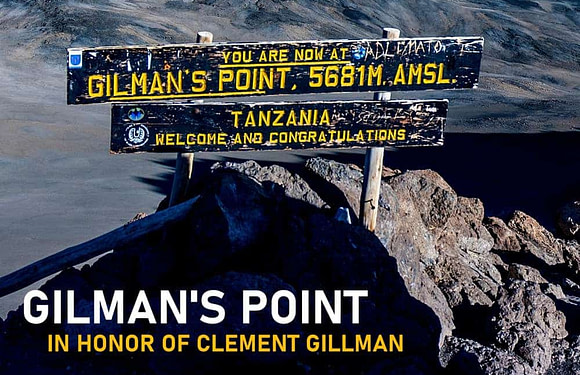
Over the years, Kilimanjaro National Park (KINAPA) has experimented with different summit markers. In the past, the park authorities replaced the classic, weathered wooden boards with a modern green and yellow metal sign. However, the change was met with widespread nostalgia for the original look; many felt the modern version lacked the rugged character that defines the Kilimanjaro experience.
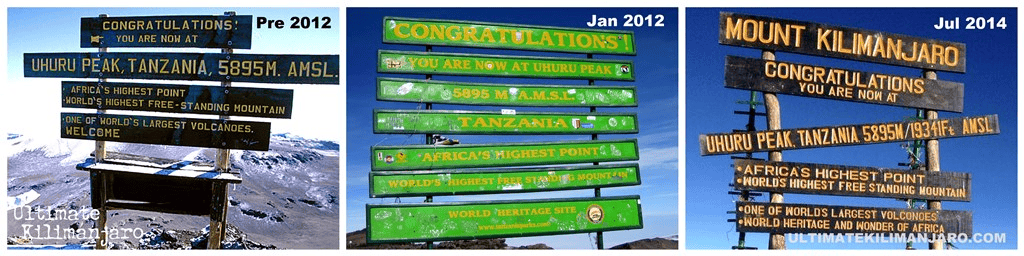
Listening to the climbing community, the park eventually decided to return to the iconic “old-school” aesthetic. The current sign honors the tradition of the mountain—featuring the classic wooden slats and bold, clear lettering that have appeared in summit photos for decades.
📜 The Uhuru Peak Inscription
The official summit marker currently reads:
MOUNT KILIMANJARO
CONGRATULATIONS
YOU ARE NOW AT
UHURU PEAK, TANZANIA 5,895M/19,341FT AMSL
AFRICA’S HIGHEST POINT
WORLD’S HIGHEST FREE STANDING MOUNTAIN
ONE OF THE WORLD’S LARGEST VOLCANOES
WORLD HERITAGE AND WONDER OF AFRICA
Why the Sign Matters
While a sign may seem like a simple landmark, it serves a vital role for climbers. Reaching the marker provides a definitive sense of accomplishment and a focal point for summit photos. More importantly, it reminds every climber of the unique geological status of Kilimanjaro as a World Heritage site and a true wonder of the natural world.
Whether you are a first-time trekker or a seasoned high-altitude mountaineer, standing before these wooden boards remains one of the most significant achievements in global adventure travel.