





Diamox: Does it Mask AMS?

brr07540.jpgThere is no evidence that Diamox (acetzolamide) masks AMS. It is approved by the FDA as a means of preventing and/or treating AMS. Therefore if you FEEL better while on Diamox, you ARE better.

To adapt to altitude, one needs to breathe more frequently during ascent to make up for the thinning air. What Diamox does is it increases the respiratory rate, speeding up acclimatization. The manufacturer of Diamox states that in their tests, “pulmonary function (e.g., minute ventilation, expired vital capacity, and peak flow) is greater in the acetazolamide treated group, both in subjects with AMS and asymptomatic subjects. The acetazolamide treated climbers also had less difficulty sleeping.”

What the manufacturer recommends it that it be used as a preventative measure, where you would take it 24-28 hours prior to rapid ascent, and throughout your climb (until descent). But some use it as a treatment, taking it only when symptoms of AMS arise.

Most people ignore this advice, but if one plans to possibly use Diamox on the climb, it is important that he/she should take a dosage for a day or two while in the comfort of their home to see what the effects are. There are some side effects (tingling hands, increased urination, hearing loss, taste loss, upset stomach, vomiting, confusion) to taking the drug, so one should be sure their body doesn’t have an adverse reaction before getting on the mountain with it. As you can see, some of those side effects can easily be confused with AMS.

Diamox is used for other purposes, like treating glaucoma, epilepsy and fluid retention. So who knows what else these chemicals may be doing to the body besides “increasing pulmonary function.” One should not take a drug without considering all the consequences, whether good or bad. And that’s why I neither recommend it nor do I discourage it… it’s up to the climber, based on their beliefs and hopefully based on information.

How Should I Dress for Kilimanjaro?

It is said that the trek from the gate to the peak of Kilimanjaro is like walking from the equator to Antarctica. The temperatures you may encounter on Mount Kilimanjaro can be over 100 degrees to well below zero. Therefore, it is important for all climbers to understand how to best dress to cope with the mountain weather. By following the provided gear list, you already have everything you need to stay comfortable and warm. 

Layering is a systematic, logical approach to wearing multiple layers of clothing. The advantages of layering are that it is versatile (a climber can add or remove layers to adapt to changing weather, activity level and body temperature), thermally efficient (multiple thinner layers are warmer than an equal thickness single layer), and space efficient (takes up less space in your backpack).You should follow the layering principle when you suit up for Kilimanjaro.

Technical clothing can be categorized into the following types of layers: base layer, mid layer, and outer shell.

Base Layer

1004.jpgA base layer is moisture-wicking item that is worn against the skin. By moving sweat away from your body, the base layer should keep you dry and provide some insulation. They are available in different thicknesses, although light-weight is recommended for its versatility over medium-, heavy-, and expedition-weight clothing. Base layers can be worn alone in warm weather, and can be doubled-up (worn on top of one another) during cold weather.Several types of fabric or blends of fabric are used to construct base layers, including silk, wool, and polypropylene, which are usually sold under registered trademarks by outdoor gear companies. Cotton is not a good base layer material! It does not have any moisture-wicking properties, does not dry quickly, and will actually increase your heat loss when wet.

2 - Long Sleeve Shirt, light-weight, moisture-wicking fabric
1 - Short Sleeve Shirt, light-weight, moisture-wicking fabric
1 - Long Underwear (moisture-wicking fabric recommended)
3 - Underwear, briefs (moisture-wicking fabric recommended)
1 - Bandana (optional)
1 - Balaclava
3 - Sock liners, tight, thin, synthetic, worn underneath to prevent blisters
1 - Gloves, light, thin, synthetic, worn underneath for added warmth (optional)
1 - Arm Warmers, synthetic (optional)

Mid Layer

The primary purpose of a mid layer is to provide warmth. Therefore, while searching for mid layers, you should look for those that have good insulating qualtities. Insulation is best created by materials that trap tiny air pockets, or dead air, between you and the elements.

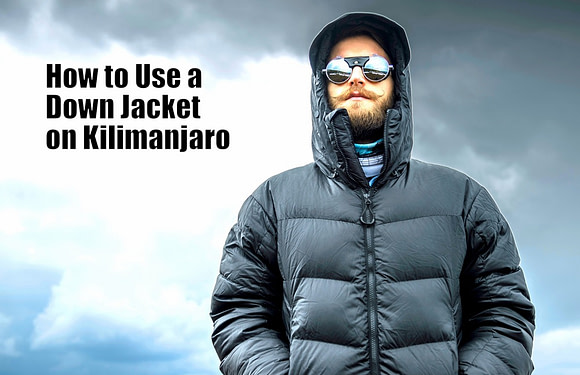
Wool or synthetic fabrics can be used as a mid layer in cool weather. However, for cold conditions, use fleece, down or heavier synthetics. Fleece provides good insulation because it is relatively thin, fast-drying, comfortable, and light-weight, but lacks wind protection. Down is the most efficient insulating material, with respect to its warmth per ounce ratio, but loses its insulating qualities when wet. It is very compressible for packing, but bulky when worn. Therefore, select lightweight down products when used as a mid layer. Synthetic insulated jackets are not as warm or light as down, but they function even when wet.

1 - Soft Jacket, fleece or soft-shell
1 - Insulated Jacket, synthetic or down
1 - Fleece Pants
3 - Socks, thick, wool or synthetic
2 - Hiking Pants* (convertible to shorts recommended)
1 – Shorts* (optional)
*considered mid layers simply because they are worn on top of the base layer (underwear).

Outer Layer

or_chaos_jkt_was_07.jpg The outer layer is designed to provide protection from the wind, rain and snow. Some outer layers have built in insulation, but I recommend obtaining each layer separately for greater versatility.

1 - Waterproof Jacket, breathable with hood
1 - Waterproof Pants, breathable (side-zipper recommended)
1 - Knit Hat, for warmth
1 - Brimmed Hat, for sun protection
1 - Gaiters, waterproof (optional)
1 - Hiking Boots, waterproof, broken-in, with spare laces
1 - Gym shoes, to wear at camp
1 - Gloves (waterproof recommended)

With the above listed gear, you should be able to withstand whatever weather conditions Mount Kilimanjaro has in store for you. It is important that you be cognizant of changing conditions as you hike and adapt accordingly (unzip/shed layers before you sweat, zip up/add layers before you get cold, wear waterproof gear before you get wet, etc.)

Can an Unfit Person Climb Mount Kilimanjaro?

map-kili.jpgLike anything else in life, some people set a goal and go full force.  Others not so much.  While some will participate in extensive training regimens to prepare for their climb, others will barely concern themselves with such matters. 

Can someone who is unfit and doesn’t train succeed in reaching the top of Kilimanjaro? Kilimanjaro is a slow, steady walk.  Most of the days, with the exception of summit day, are short to medium in time and length, by trekking standards. The walking itself is not what is categorized as “strenuous.”  By these measures, it appears certainly possible that an unfit, untrained person could summit.

But the factor that prevents most people from reaching Uhuru peak is not the trekking, it’s the inability to acclimatize to altitude. Although altitude illness can strike even the fittest climbers, by being fit, you give your body the best chance to acclimatize.

Everything unfamiliar that you subject your body to (hiking, different food, water, altitude, camping, jet lag, etc.) is an additional stress that impairs the body. The goal is to minimize these factors. While some factors are out of your control, preparing your cardiovascular system, muscles, joints and mentality for climbing is totally within your control.

A nonchalant attitude about climbing Kilimanjaro can get you into trouble, or worse. You don’t go from sitting in a cubicle for decades to trekking at high altitude on a mountain that claims lives every year. It’s simply careless, irresponsible and disrespectful. And it’s also this type of attitude that can push people to keep climbing even though AMS tells them to stop.

What’s the Masai Village Visit?

maasai_boma.jpgWhile in the Ngorongoro Conservation Area, you will have the opportunity to visit a Masai village, known as a boma.  It typically costs about $50 per vehicle, although the fee is negotiable.  Whether or not a boma visit is worthwhile is dependent on the expectations of the observer.  If you are looking for a chance to see how the Masai actually live, go inside their huts, speak with a few, and view a traditional dance, you should enjoy it.  If you are expecting a 100% authentic interaction, you will be disappointed. 

The boma visit experience is a bit contrived. Think of it as a performance - the dancing, the school visit, the inside of a hut, with a tour guide, followed by the gift shop. I wouldn’t go as far as to say that the experience is fake, because it’s not like the Masai change into jeans and watch television after all the visitors have left. The village would be there whether or not any cars stopped there.

And I believe it is reasonable for them to charge money for tourists to visit. Can you imagine if strangers kept stopping by your house to take photos?

What Gear Brands are Best?

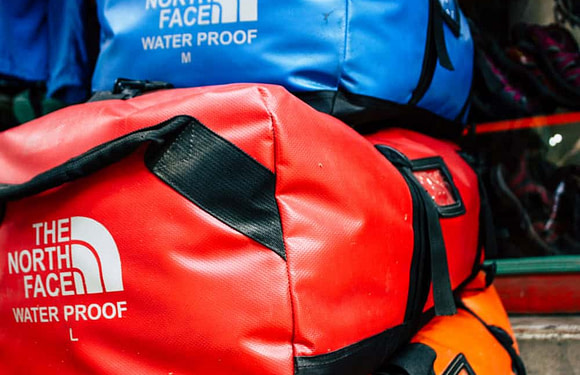
17082_m.jpgAs long as you get name brand gear, the specific brand doesn’t matter much. Patagonia, Northface, Mountain Hardwear, REI, Arcteryx, Marmot, etc. all make high quality clothing. The brand you pick is up to you and your personal preference. 

The most important items in your gear bag are: 1) waterproof gear, 2) boots and 3) sleeping bag. Don’t skimp on these.