
































Gross Domestic Product (GDP) is a measurement of the total size of a country’s economy. It tracks the total value of goods and services produced within a nation. Bigger countries usually have bigger GDPs. For rich countries, GDP shows global influence and trade power. However, GDP does not tell you how wealthy the average person is.
GDP per capita takes the total GDP and divides it by the population. It reveals how much value the economy creates per person. So while GDP tells you how big an economy is, GDP per capita helps you understand how far that economy goes toward meeting the needs of its people. That makes it a better tool for understanding poverty.
Poorest Countries in World by GDP Per Capita (2026)
| Rank | Country | GDP (Million USD) | Population | GDP per Capita (USD) |
|---|---|---|---|---|
| 1 | South Sudan | 5,000 | 15,900,000 | 314 |
| 2 | Burundi | 7,100 | 14,400,000 | 493 |
| 3 | Malawi | 12,900 | 22,200,000 | 581 |
| 4 | Central African Republic | 3,300 | 5,500,000 | 600 |
| 5 | Madagascar | 19,600 | 32,700,000 | 599 |
| 6 | Sudan | 27,000 | 44,500,000 | 607 |
| 7 | Yemen | 19,800 | 30,000,000 | 660 |
| 8 | Mozambique | 24,100 | 35,600,000 | 677 |
| 9 | Democratic Republic of the Congo | 83,500 | 112,800,000 | 740 |
| 10 | Niger | 21,200 | 27,900,000 | 760 |
The 10 Poorest Countries in the World
1. South Sudan
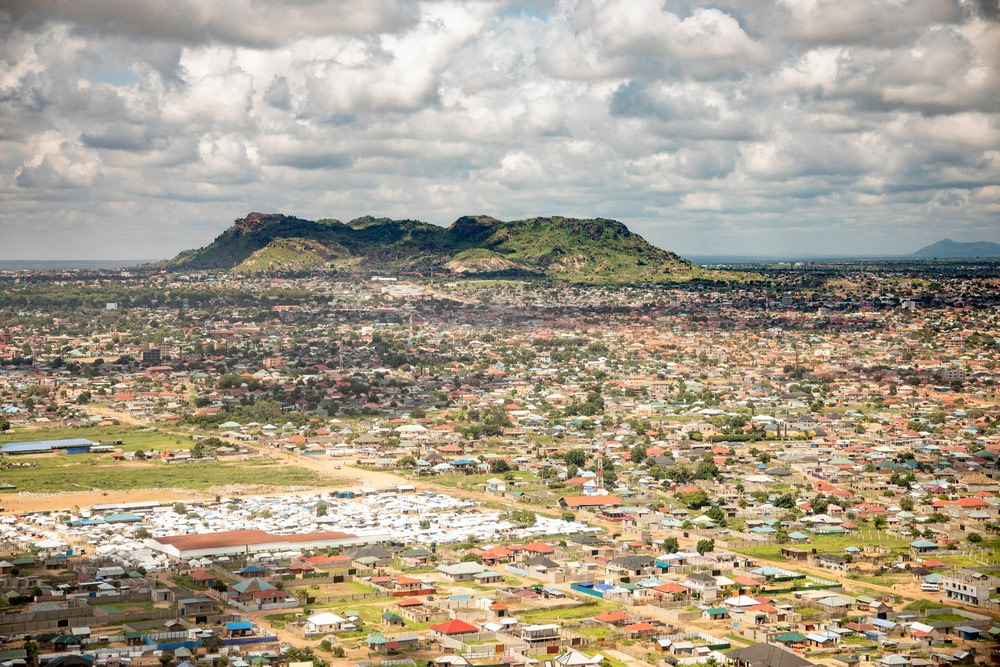
South Sudan gained independence with vast oil fields but almost no paved roads. Repeated clashes closed pipelines, and seasonal rains turn dirt tracks into impassable mud, cutting villages off for months. When fuel exports stop, government salaries lapse, clinics run out of drugs, and traders hoard grain. Markets in Juba bustle, yet a short drive reveals fields where farmers still till by hand.
Families lean on cattle for wealth and status, but raids and drought thin herds each year. Children often spend mornings fetching water instead of studying, and many teachers walk long distances to schools with no desks or books. Inflation devours wages, driving families to barter for basics. Investors see promise in oil and fertile land, yet avoid the risk. Lasting peace, reliable transport, and steady electricity must arrive together before growth can take root.
2. Burundi
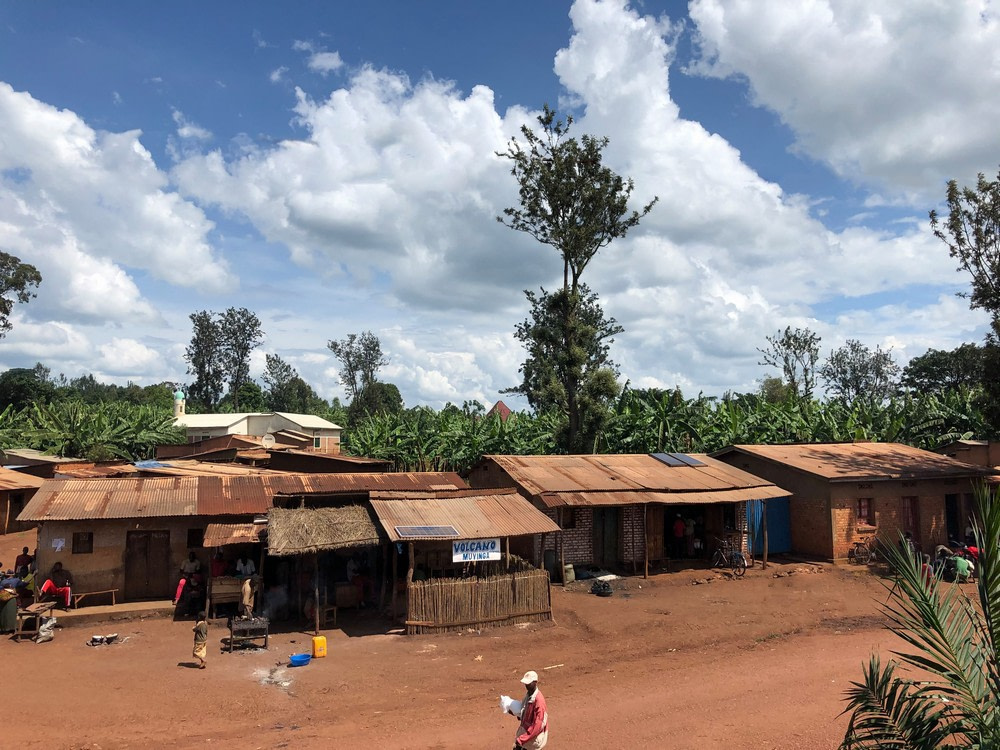
Burundi’s steep hills are quilted with tiny coffee plots, yet soil erosion washes away yields every rainy season. Political tension keeps investors cautious, and frequent power cuts stall even small workshops in Bujumbura. Families haul water from distant springs, leaving children less time for study.
With little flat land, urban expansion devours farmland, pushing food prices higher. Coffee earnings depend on global buyers, but farmers see only a fraction of final sale prices. Youth unemployment sends many across borders in search of work, draining local talent. Terraced farming, stable governance, and a regional power link would help keep both soil and young professionals at home.
3. Malawi
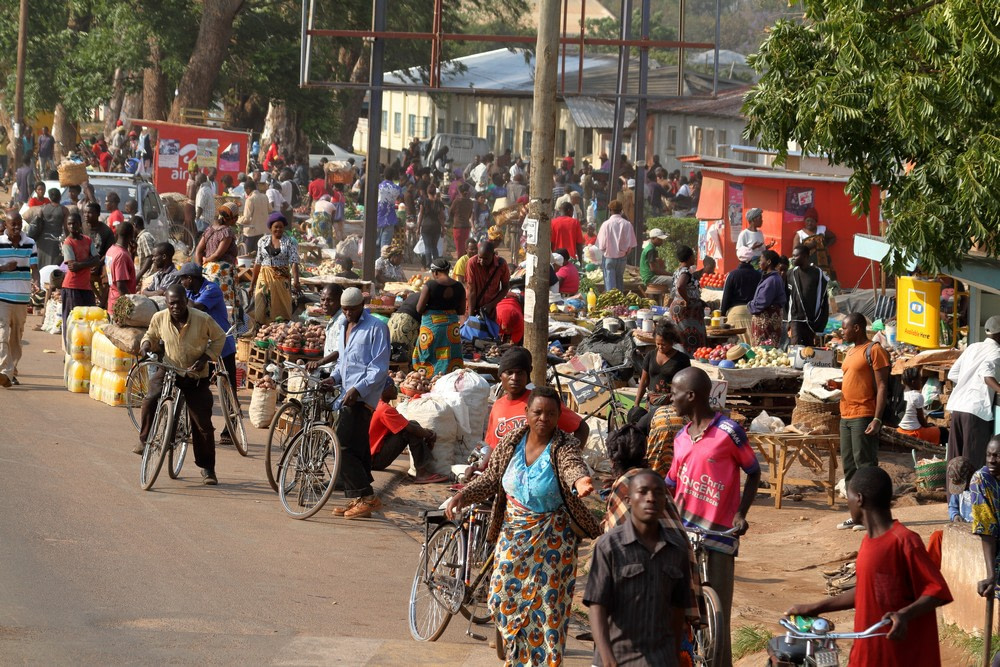
Malawi’s rolling hills rely on a single rainy season, and one failed harvest can trigger nationwide food stress. The main highway to the sea runs through a neighboring country, adding tolls and delays to every import. Hydropower dams line the Shire River, yet droughts drop water levels, forcing costly diesel generators to keep lights on in Lilongwe and Blantyre.
Village schools often meet under trees, and health clinics share one nurse for thousands of residents. Families are large, stretching land plots thinner each generation. Farmers grow maize for home use and tobacco for cash, but price swings leave budgets in tatters. Microfinance groups help women buy seeds and goats, yet bigger loans for tractors or irrigation remain rare. Better rail links, diversified crops, and stable electricity could lift incomes across the plateau.
4. Central African Republic
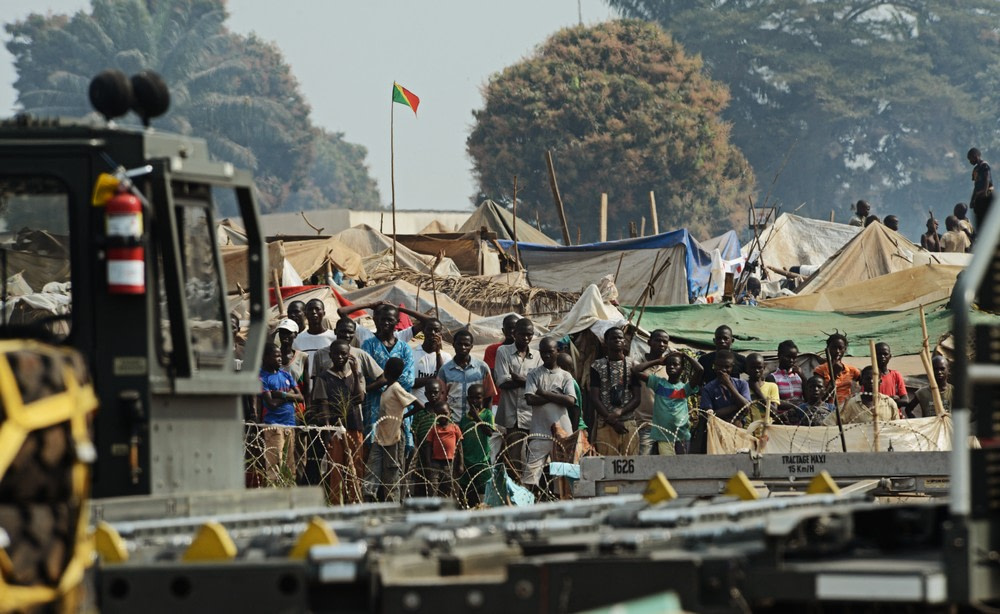
The Central African Republic sits on gold, diamonds, and dense forests, but convoy drivers count dozens of armed checkpoints on the road to Bangui. Each toll raises food prices, and many trucks never reach their destination. Only one home in five has electricity; firewood remains the main fuel, accelerating deforestation around villages.
Teachers in rural schools often work unpaid for months, and young doctors leave for safer posts abroad. Rebel groups run makeshift courts, collecting fines that drain local savings. Aid agencies bring medicine by air because highways are unsafe, multiplying costs. A nationwide cease-fire, transparent mining contracts, and a reliable grid could attract the investment needed to turn buried wealth into public revenue.
5. Madagascar
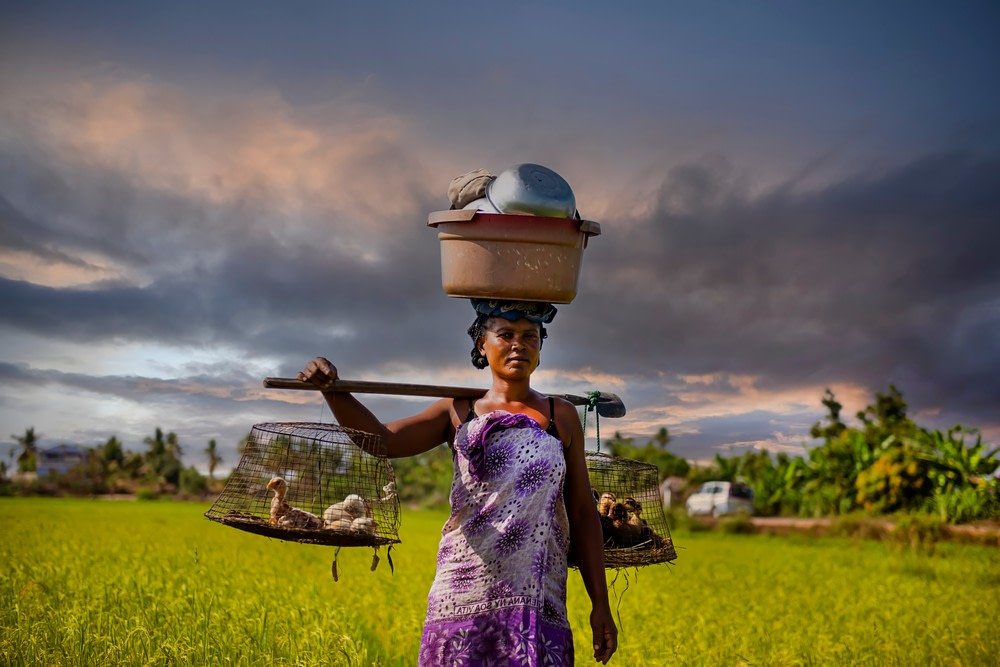
Cyclones sweep across Madagascar almost every year, tearing apart bridges that link vanilla fields to export docks. When roads close, coastal profits never reach the central plateau, and inland clinics go without medicines. Corruption claims a slice of every construction budget, leaving half-finished schools to crumble in the sun. Deforestation for charcoal strips topsoil, reducing crop yields and muddying rivers.
Tourists flock to baobab alleys and lemur reserves, but many resorts import food and hire staff from larger towns, limiting local gains. Rice farmers still plant by hand, and few can afford fertilizer when prices rise. Solar panels dot some villages, yet battery costs keep lights dim. Stronger anti-graft measures, cyclone-resistant roads, and credit for small producers would spread Madagascar’s natural wealth far beyond its beaches.
6. Sudan
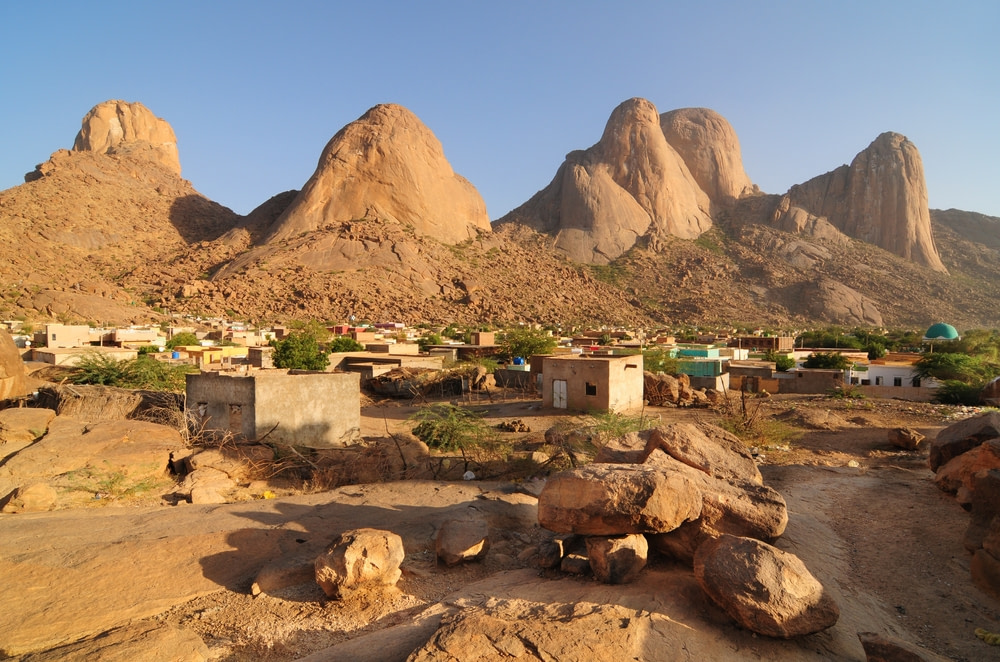
Sudan spans North and East Africa, anchored historically by the Nile River and fertile farmland. Agriculture once supported large portions of the population, with exports of sorghum, wheat, and livestock. Political instability and conflict have steadily eroded these foundations. Recent fighting between rival armed factions has pushed the economy into freefall.
GDP per capita has dropped sharply as supply chains broke down and inflation surged. Banks operate sporadically. Fuel and food prices fluctuate wildly. Public services have collapsed in many areas, and formal employment opportunities are scarce. Currency depreciation further weakens purchasing power for ordinary households.
Sudan retains long-term economic potential through agriculture, gold mining, and regional trade. However, ongoing violence and institutional breakdown prevent investment and growth. Without political stabilization and restored basic services, income levels are likely to remain near the bottom of global rankings.
7. Yemen
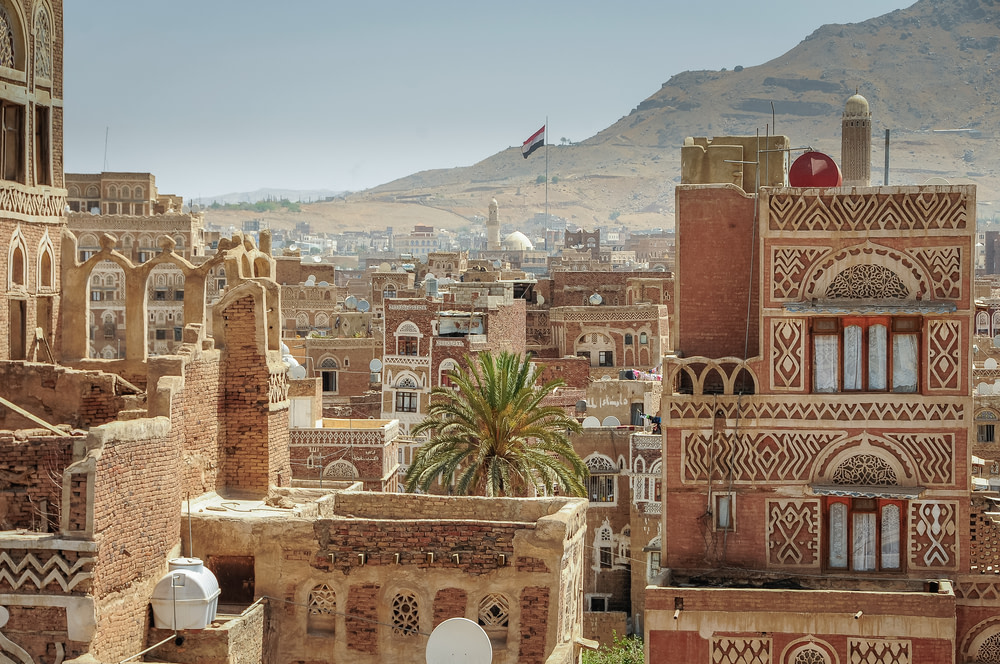
Yemen sits at the southern tip of the Arabian Peninsula, once positioned along key Red Sea and Indian Ocean trade routes. Today, years of civil war and foreign intervention have crippled the economy. Ports, roads, and power stations have been damaged or destroyed. Oil and gas output has collapsed. Government revenues are minimal, and the currency has lost much of its value.
Per capita income ranks among the lowest in the world. Food imports are expensive and unreliable. Millions depend on aid to meet basic needs. Inflation and fuel shortages push everyday costs higher than incomes can support. Clean water and electricity remain intermittent or unavailable in many regions.
Economic recovery is constrained by insecurity and fragmented governance. Even productive sectors like fishing and agriculture struggle to reach markets. Until stability returns and infrastructure is rebuilt, Yemen is likely to remain among the poorest countries globally by GDP per capita.
8. Mozambique
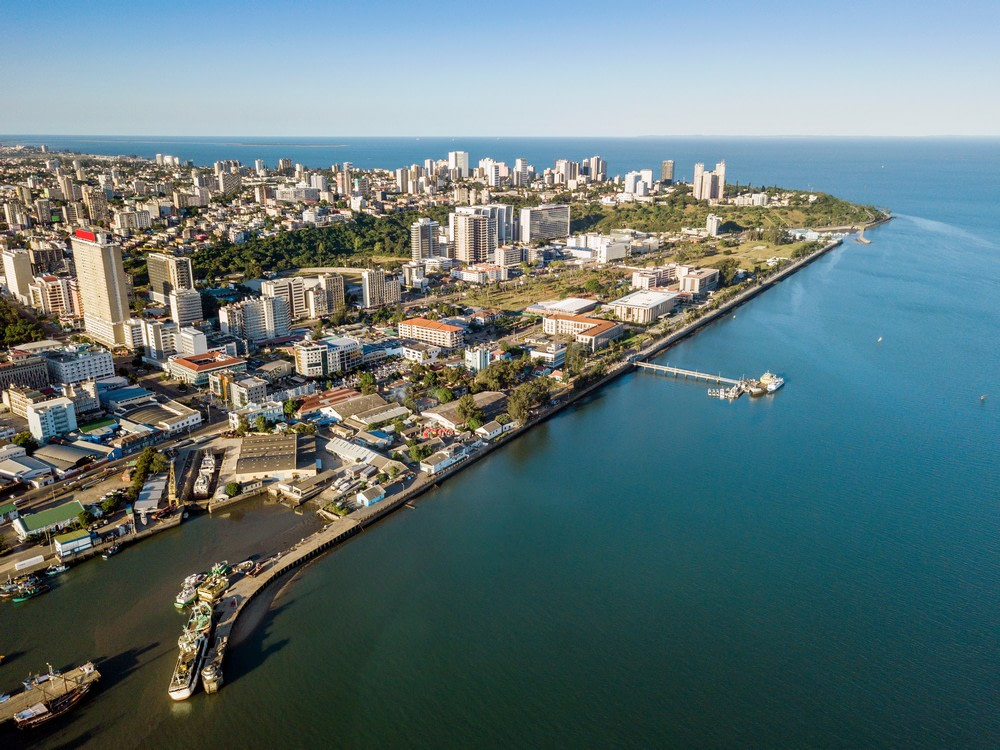
Mozambique’s coastline promises gas wealth, yet insecurity in Cabo Delgado halted the flagship LNG plant. Cyclones Idai and Freddy flooded ports and rail lines, delaying cashew and coal exports. Inland farmers rely on rain, so droughts cut harvests and erode savings.
A 2016 hidden-debt scandal shook public trust and made foreign lenders wary. Coastal tourism rebounds, but profits rarely reach inland villages where clinics lack electricity. Community groups now plant mangroves to buffer future storms, yet need capital for larger projects. Widespread security, transparent budgets, and resilient infrastructure could turn natural gas and tourism into reliable national income.
9. Democratic Republic of the Congo
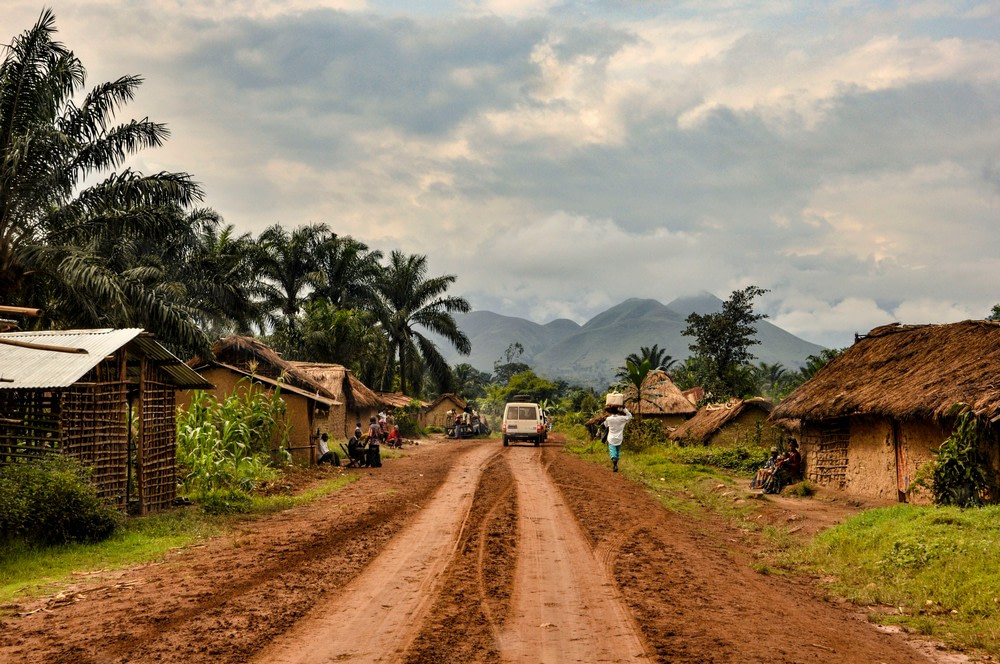
The Congo River carries timber and minerals, yet dense forests, wide rapids, and armed checkpoints limit trade. Eastern provinces hold the world’s largest cobalt reserves, but militias tax every truck, inflating transport costs and deterring major investors. Only one household in five has grid power; cities often run on noisy diesel generators.
Health workers battle measles and cholera with scant resources, and rainstorms regularly wash out unpaved roads. Farmers near Kinshasa grow cassava, yet spoilage rates stay high without cold storage. Smooth river ports, reliable electricity, and secure mining zones could transform natural wealth into nationwide growth, but progress depends on consistent law enforcement and transparent contracts.
10. Niger
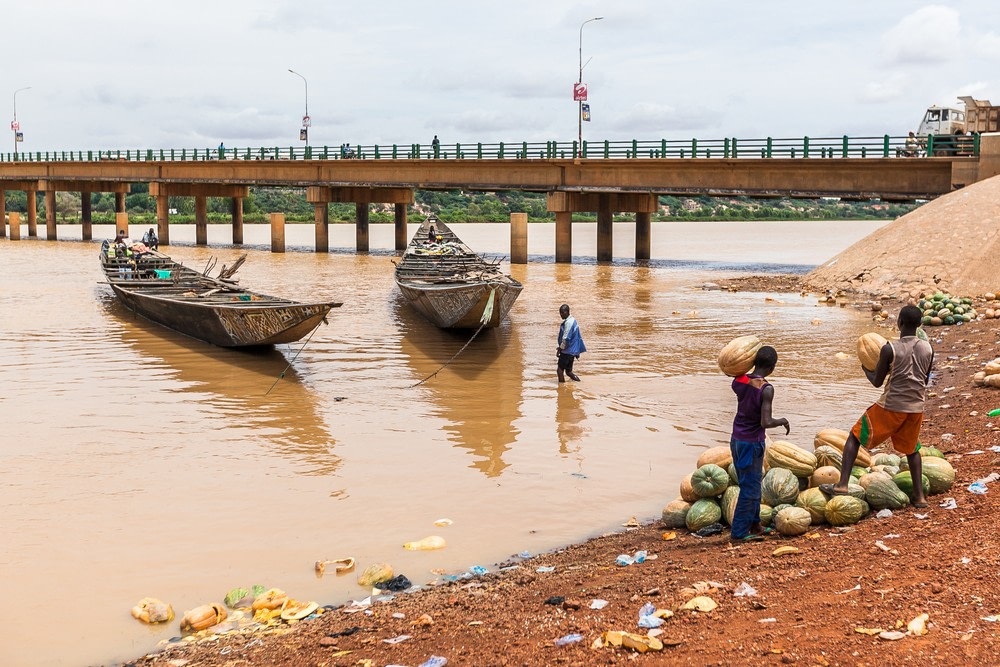
Desert covers two-thirds of Niger, so herders travel farther each year to find pasture. Fertility rates top six births per woman, stretching every clinic and classroom. A 2023 coup triggered regional sanctions, cutting fuel and medicine supplies. Uranium exports bring revenue, yet weak oversight means few funds reach village projects.
Solar panels gleam on ministry roofs in Niamey, but many rural schools still teach by daylight alone. Farmers dig shallow wells that dry quickly, and without irrigation they cannot plant off-season crops. Lifting sanctions, expanding drip irrigation, and enforcing transparent mining royalties would give families more stable incomes and reduce pressure on fragile lands.
Why Do Countries Become Poor?
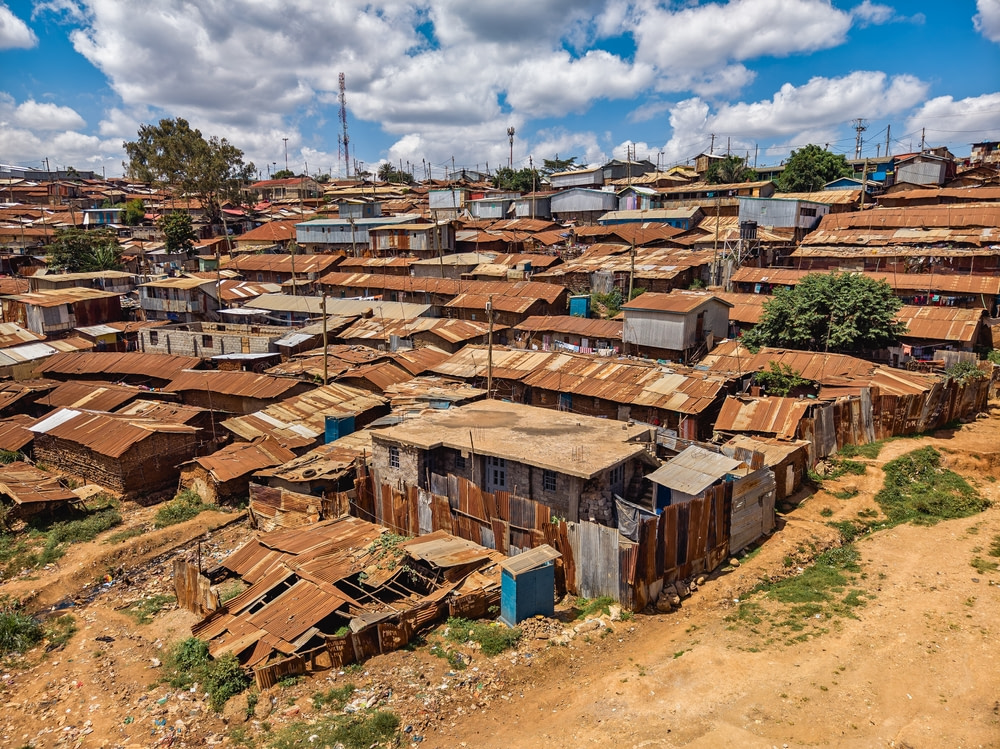
Poverty is not an accident. It is the sum of choices, events, and missed opportunities.
War is the quickest route to ruin. A 2023 World Bank review reported that for each month of conflict that occurs in a country, the national GDP falls by an estimated 2 percent. Corruption follows close behind. When leaders steal money meant for the development, growth stalls. Hospitals, schools, roads, safety nets, and public trust wither. Commodity dependence deepens the cycle: a single crop or mine can collapse when prices fall, starving the treasury.
Breaking free starts with security, honest rule, and steady investment in people and basic infrastructure. Once these pillars stand, private capital follows, jobs grow, and poverty rates begin to fall.