

































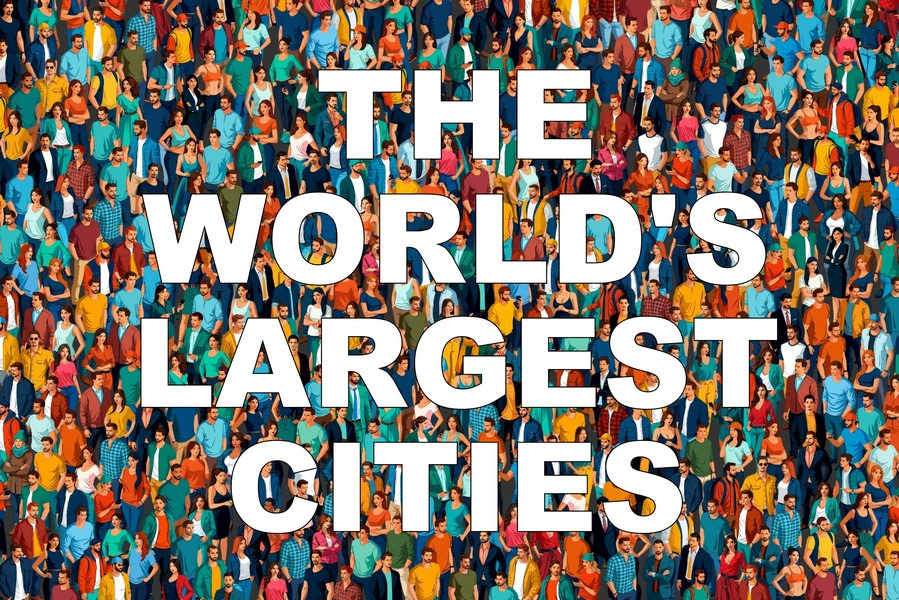
Cities were never meant to be this big.
Most began as river crossings, ports, or market towns. Over time, people kept arriving. Roads filled. Housing stacked higher and tighter. Eventually, the city stopped being a place and became a system that never shuts off.
In the world’s largest cities, scale changes everything. Distance becomes a daily obstacle. Time is measured in commutes. Entire neighborhoods function outside formal planning. Growth does not wait for permission, and infrastructure is always catching up.
These cities are not defined by city halls or boundary lines. They are vast urban organisms made of dozens of merged municipalities, industrial zones, and commuter corridors. What matters is not where one city ends, but how millions of people move, work, and live together every day.
The list below ranks the 15 largest urban regions on Earth by population, using broad metropolitan estimates that reflect how cities actually function and grow, rather than relying on formal administrative boundaries.
| Rank | Urban Region | Country | Estimated Population |
|---|---|---|---|
| 1 | Jakarta | Indonesia | 42,000,000 |
| 2 | Dhaka | Bangladesh | 36,000,000 |
| 3 | Tokyo | Japan | 33,000,000 |
| 4 | New Delhi | India | 30,000,000 |
| 5 | Shanghai | China | 29,500,000 |
| 6 | Guangzhou | China | 27,500,000 |
| 7 | Cairo | Egypt | 25,500,000 |
| 8 | Manila | Philippines | 24,500,000 |
| 9 | Kolkata | India | 22,500,000 |
| 10 | Seoul | South Korea | 22,500,000 |
| 11 | Karachi | Pakistan | 21,500,000 |
| 12 | Mumbai | India | 21,000,000 |
| 13 | São Paulo | Brazil | 20,500,000 |
| 14 | Bangkok | Thailand | 20,000,000 |
| 15 | Mexico City | Mexico | 19,500,000 |
The 15 Biggest Cities in the World by Population
1. Jakarta, Indonesia
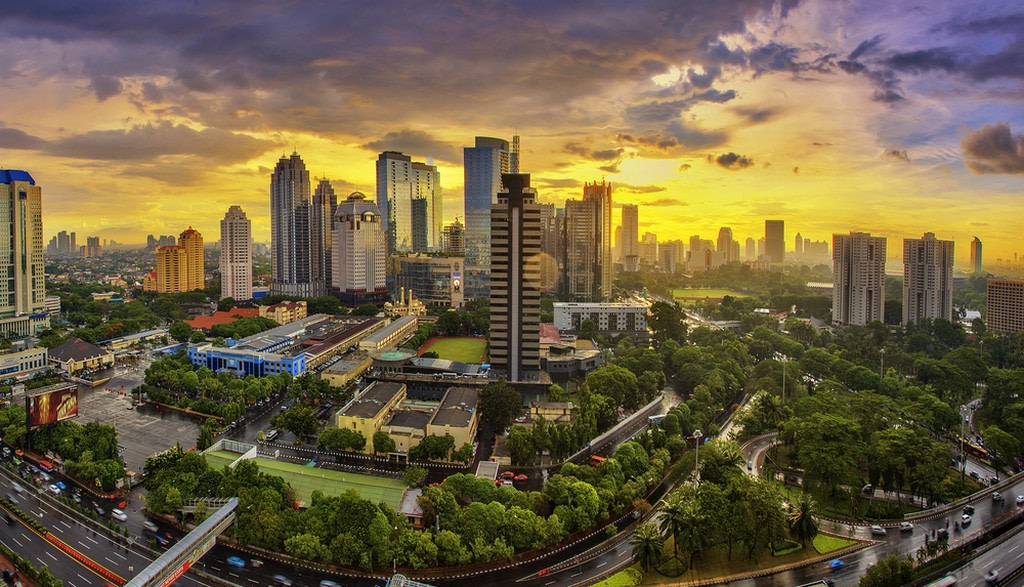
Jakarta did not become the world’s largest city by design; it became one by accumulation. It’s part of the Jabodetabek region, a massive urban system that includes Jakarta proper and surrounding cities like Bogor, Depok, Tangerang, and Bekasi. Together, they form the largest urban population on Earth.
Jakarta’s defining struggle is not congestion or crowding. It is gravity and water. Much of the city was built on soft coastal land and drained wetlands. Groundwater extraction has caused entire neighborhoods to sink, some by several inches per year. Flood defenses, pumps, and canals are part of daily urban life. This is one of the few megacities actively losing altitude.
Yet Jakarta is culturally rich and deeply Indonesian. Street food defines social life. Neighborhood mosques, markets, and informal gathering spots shape the rhythm of the city. Kota Tua preserves traces of Dutch colonial history, while modern malls and towers signal national ambition.
Jakarta became enormous because Indonesia centralized everything here. It remains enormous because no other city offers the same gravity, even as the ground beneath it slowly gives way.
2. Dhaka, Bangladesh
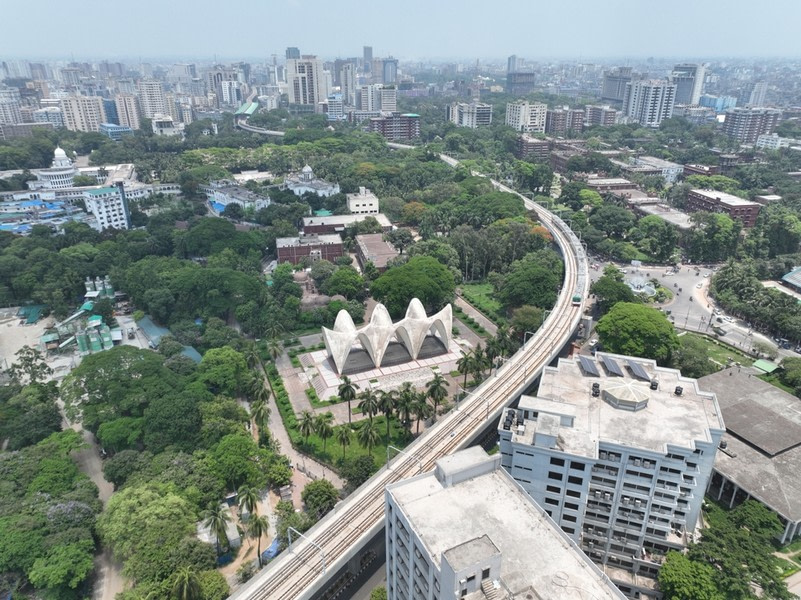
Dhaka feels compressed in a way few cities do. Growth did not spread outward across open land. It stacked inward, layer upon layer, into one of the densest urban regions on Earth.
The city sits on a river delta shaped by monsoons. Water defines everything. Streets flood. Buildings adapt. Daily life bends around seasonal rhythms that predate the modern city. Dhaka’s garment industry anchors its economy, pulling millions into factory zones that blend seamlessly with residential areas.
What strikes visitors is the intensity. Rickshaws fill narrow streets. Markets operate at full volume from morning to night. Old Dhaka’s mosques, courtyards, and Mughal-era buildings coexist with concrete towers and textile warehouses. Space is used completely, with almost nothing left idle.
Dhaka is this large because Bangladesh has few alternatives. Population growth, economic concentration, and climate pressure all funnel inward. The city does not sprawl. It tightens.
3. Tokyo, Japan
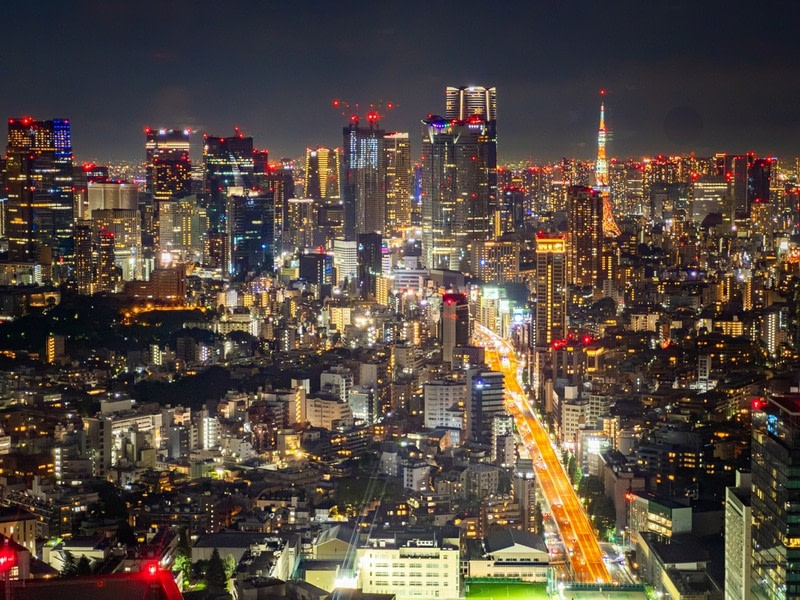
Tokyo is proof that size alone does not determine livability. It is the largest mature city on Earth and one of the most functional.
The city grew around rail, not roads. Neighborhoods developed as compact centers with shops, schools, and services within walking distance. Zoning allows constant redevelopment, keeping housing supply responsive rather than frozen. Density here is deliberate, not accidental.
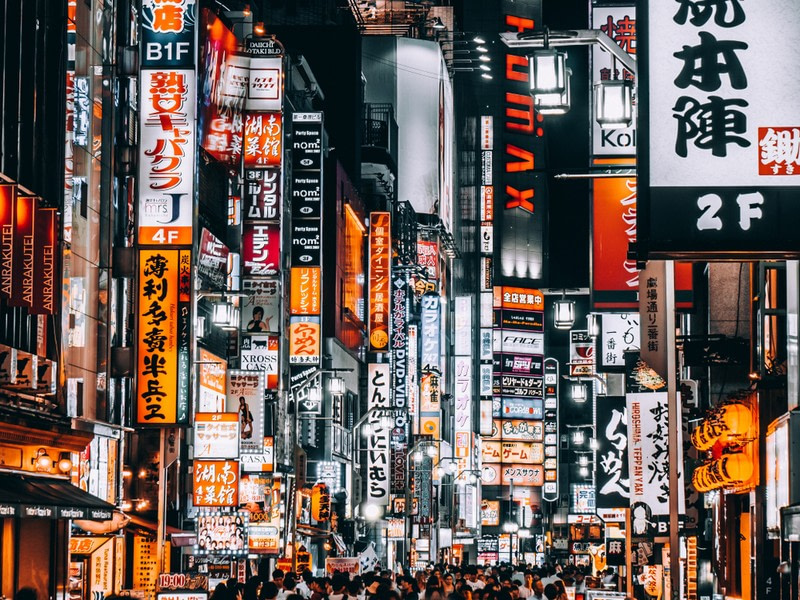
Tokyo’s internal contrasts are striking. Neon districts like Shinjuku and Shibuya coexist with quiet residential streets, shrines, and pocket gardens. A short train ride can take you from corporate towers to neighborhoods that feel almost rural in pace.
People continue to choose Tokyo because it works. The city absorbs scale without losing order. That is what makes Tokyo unique among megacities.
4. New Delhi, India
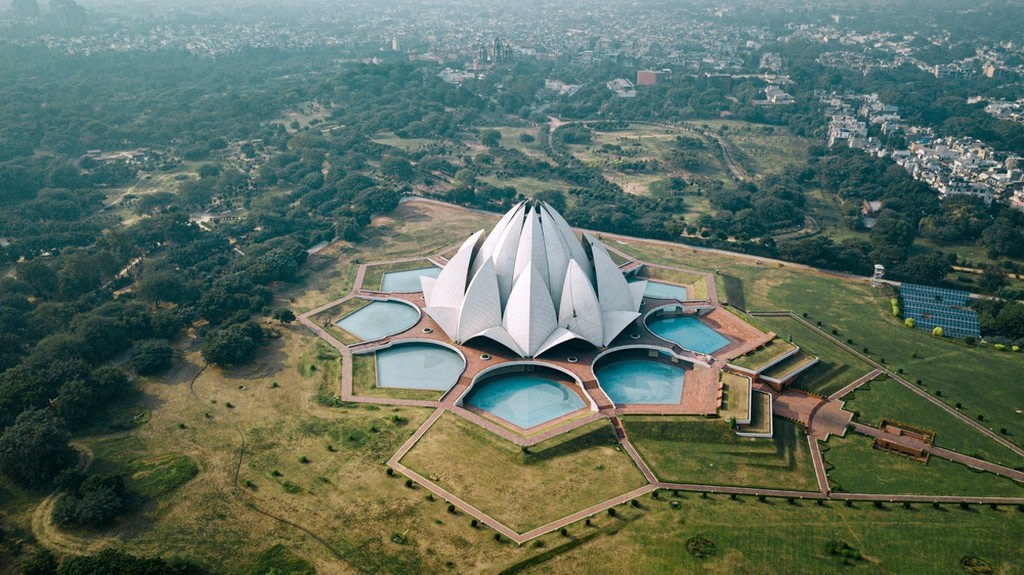
Delhi is large because power lives here, and power attracts people. As India’s political capital, Delhi concentrates ministries, embassies, courts, universities, and national institutions. Migration is not only economic. It is administrative, educational, and aspirational. The city expands outward relentlessly, absorbing towns that were once separate.
Delhi is layered rather than unified. Mughal monuments like the Red Fort and Humayun’s Tomb sit alongside British colonial planning, modern expressways, and spiritual landmarks like the Lotus Temple, whose stark white petals rise from the city as a rare symbol of modern religious architecture and quiet reflection. Each era left its imprint without erasing the last.
Visitors experience extremes in close proximity. Historic bazaars, government districts, and residential enclaves collide daily. Delhi’s scale reflects political gravity laid over one of the world’s fastest-growing populations.
5. Shanghai, China
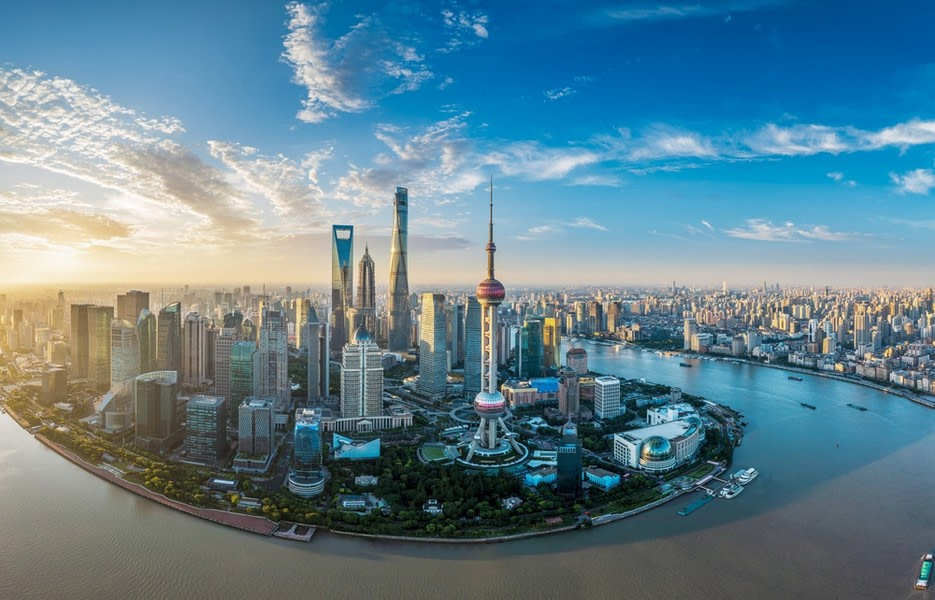
Shanghai feels assembled rather than evolved. Much of its modern form rose within a single generation. State-led planning reshaped the city at speed. Entire districts were redeveloped. Infrastructure arrived first. Density followed. The result is a city defined by vertical growth, wide boulevards, and extensive transit networks.
Shanghai’s global role is visible everywhere. The port is among the busiest on Earth. Financial districts in Pudong project modern ambition, while the Bund preserves colonial-era facades from a very different chapter of history.
Shanghai is large because it was built to be large. It is the clearest example of population scale achieved through deliberate design rather than organic sprawl.
6. Guangzhou, China
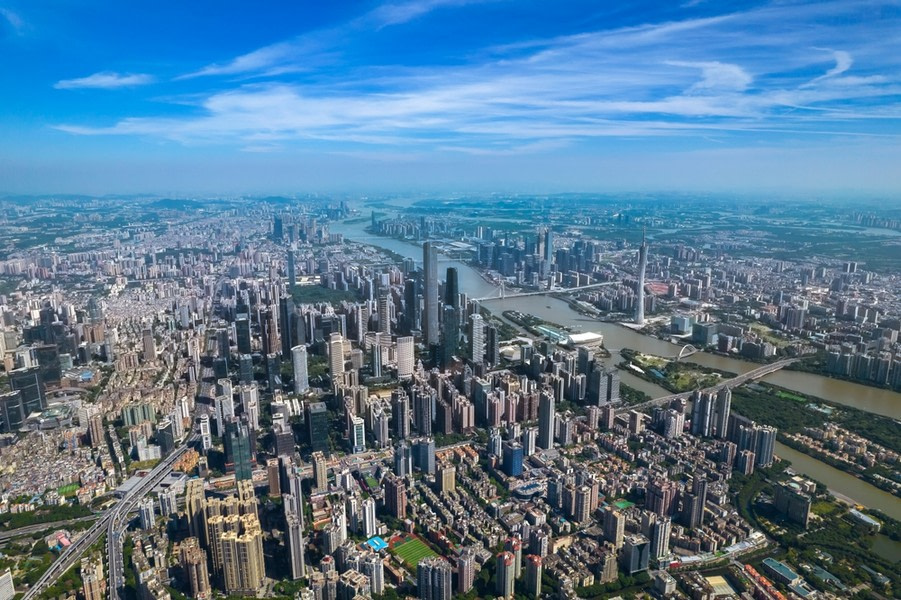
Guangzhou does not feel like a single dominant city. It feels like a gateway into a much larger machine. For centuries, Guangzhou was China’s primary window to the outside world. Long before Shanghai rose, foreign merchants passed through its ports. That legacy continues today, but on an industrial scale. Guangzhou sits at the heart of the Pearl River Delta, a vast manufacturing ecosystem where cities blend into one another across highways, factories, and logistics hubs.
What makes Guangzhou distinctive is how seamlessly it connects to its neighbors. Shenzhen, Dongguan, Foshan, and other cities form a continuous urban-industrial belt. The boundaries matter administratively, but on the ground, they are invisible. Labor, goods, and capital flow freely across the region.
Visitors notice a city shaped by trade. Wholesale markets, electronics districts, and export-oriented neighborhoods dominate. Cantonese food culture is central, from dim sum halls to night markets. Guangzhou’s size comes not from being China’s cultural or political center, but from being indispensable to how the country makes and moves things.
7. Cairo, Egypt
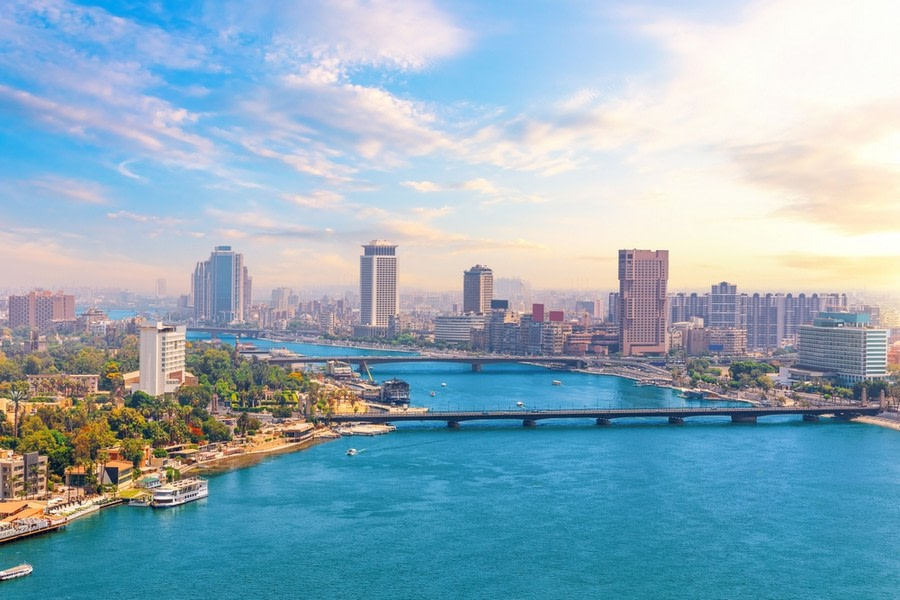
Cairo is large because Egypt is narrow. Nearly the entire population of the country lives along the Nile, and Cairo sits at its geographic and political center. There is no competing urban alternative of comparable scale. Everything converges here by necessity.
The city stretches outward from the river into the desert, where new satellite cities rise from sand rather than farmland. This expansion is not optional. It is the only direction available. Inside the city, centuries overlap. Pharaonic foundations, Islamic Cairo, Ottoman neighborhoods, and modern districts coexist within a few miles.
For visitors, Cairo is overwhelming and unforgettable. The Pyramids stand at the city’s edge. Historic mosques and bazaars fill the old quarters. The Nile remains the city’s organizing spine. Cairo’s size is not accidental. It is geography made permanent.
8. Manila, Philippines
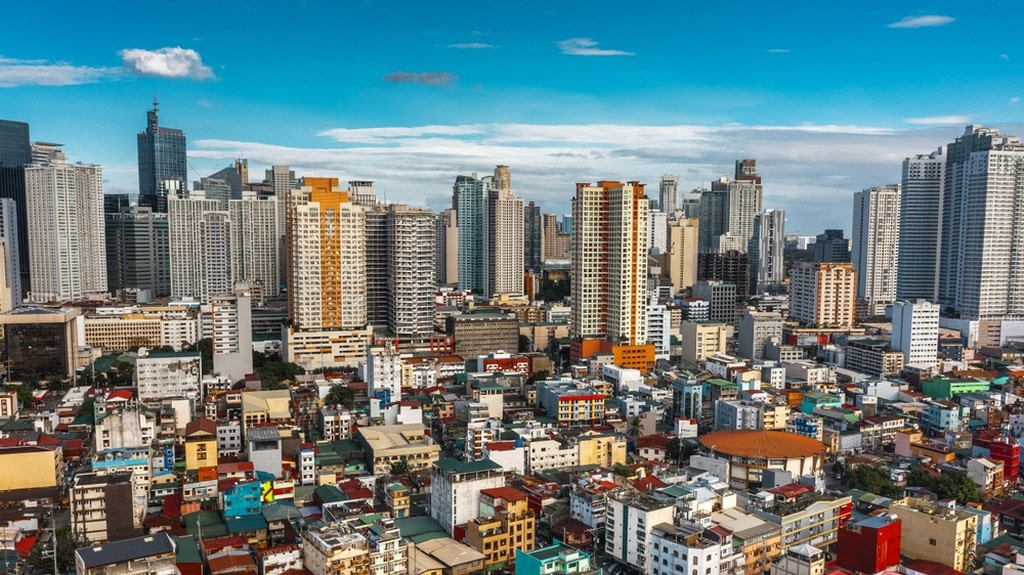
Manila is the consequence of an archipelago forced into a single funnel. The Philippines spans thousands of islands, yet political power, finance, education, and media concentrate in one metro region. Dispersing opportunity across the country has always been difficult. Pulling people inward has been easy.
Manila’s geography constrains it. Land is limited. Density intensifies vertically. Neighborhoods stack tightly together, often with little separation between residential, commercial, and industrial space.
Tourists encounter sharp contrasts. Spanish colonial Intramuros preserves stone walls and plazas. Modern business districts rise nearby. Jeepneys, malls, street vendors, and churches define daily life. Manila’s size reflects national concentration more than urban balance.
9. Kolkata, India
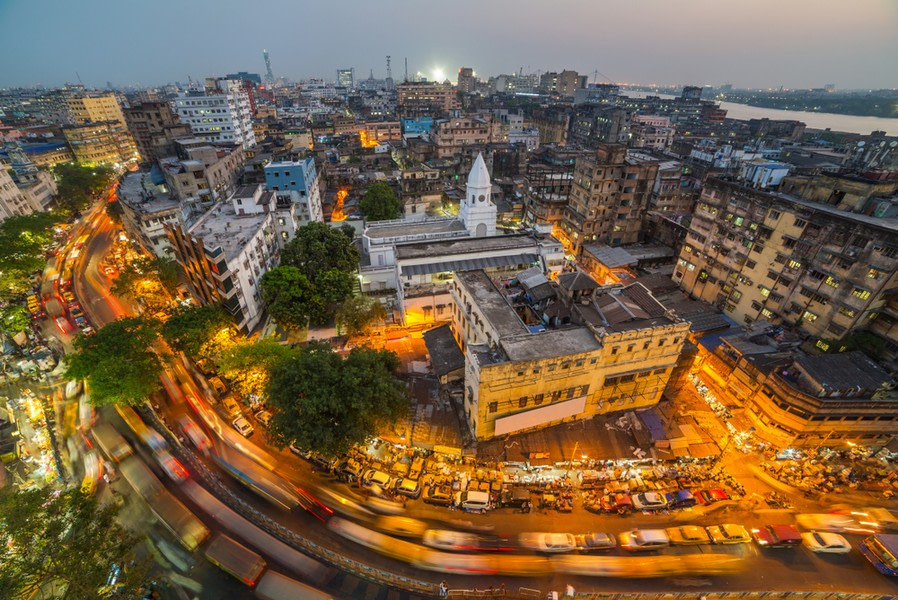
Kolkata is large because history arrived early and never fully left. As the capital of British India, Kolkata grew rapidly during the colonial era. It became a center of administration, trade, education, and intellectual life. When political power shifted elsewhere, population decline did not follow.
The city retains a distinct character. Dense neighborhoods sit alongside colonial architecture, trams still operate, and cultural institutions remain influential. Growth has slowed compared to other Indian cities, but scale persists.
Visitors experience a city rich in literature, art, and political thought. Kolkata’s size reflects momentum inherited from empire rather than modern acceleration.
10. Seoul, South Korea
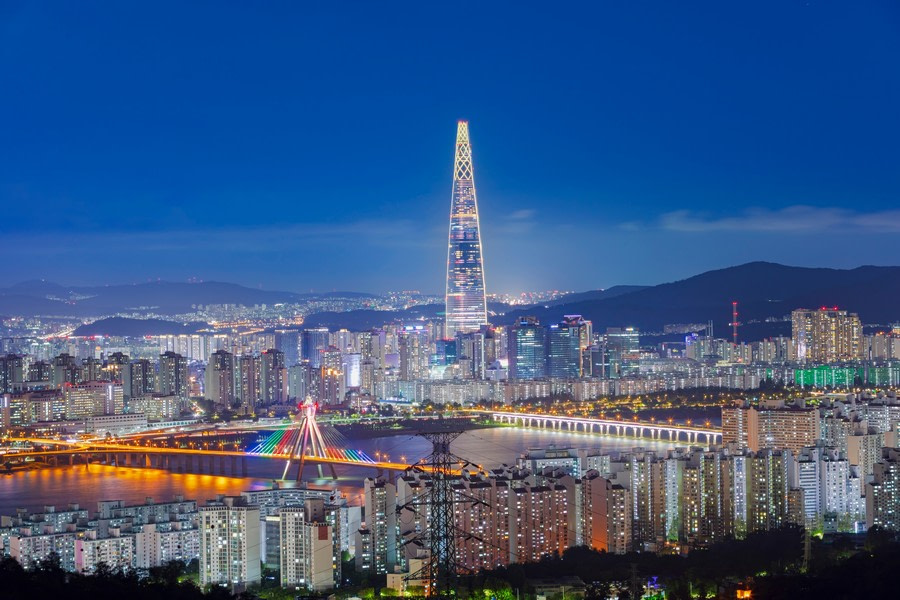
Seoul is not just South Korea’s largest city. It is the country’s container. Politics, finance, media, education, and culture converge here to an extent rarely seen elsewhere. Decades of economic development reinforced this centralization, leaving secondary cities with limited ability to compete.
Seoul’s urban form reflects discipline. Infrastructure is dense and efficient. Public transit reaches nearly everywhere. Mountains cut through the city, creating natural edges and green corridors within dense development.
For visitors, Seoul feels hyper-modern and deeply traditional at the same time. Royal palaces sit beside glass towers. Night markets and K-pop culture coexist with quiet temples. Seoul’s size reflects consolidation into a single national core rather than uncontrolled sprawl.
11. Karachi, Pakistan
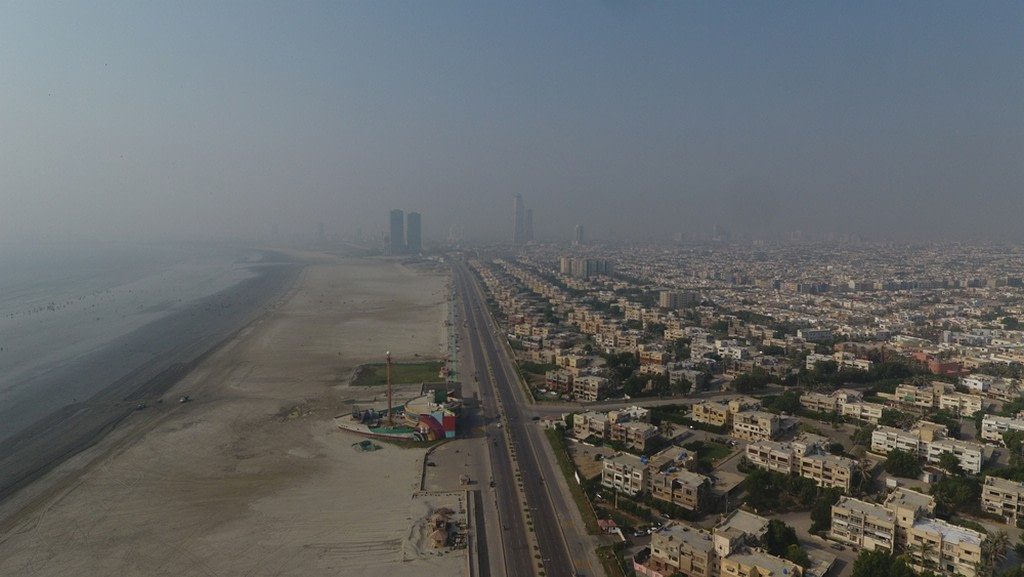
Karachi feels like a city running faster than its own systems can keep up. As Pakistan’s primary port and commercial center, Karachi pulls people from every region of the country. Industry, finance, shipping, and manufacturing concentrate here, creating opportunity that few other cities can match. Migration is constant and largely unmanaged, shaping a city that grows by momentum rather than coordination.
What defines Karachi is informality at scale. Entire neighborhoods function through parallel systems for water, power, and transport. Markets, workshops, and housing evolve quickly, filling gaps left by limited formal infrastructure. The city works, but not because it was designed to.
For visitors, Karachi reveals layers of history and resilience. Colonial-era buildings line parts of the port district. Beaches sit minutes from dense commercial zones. Street life is intense and entrepreneurial. Karachi is large because it must absorb a nation’s economic pressure with limited alternatives.
12. Mumbai, India
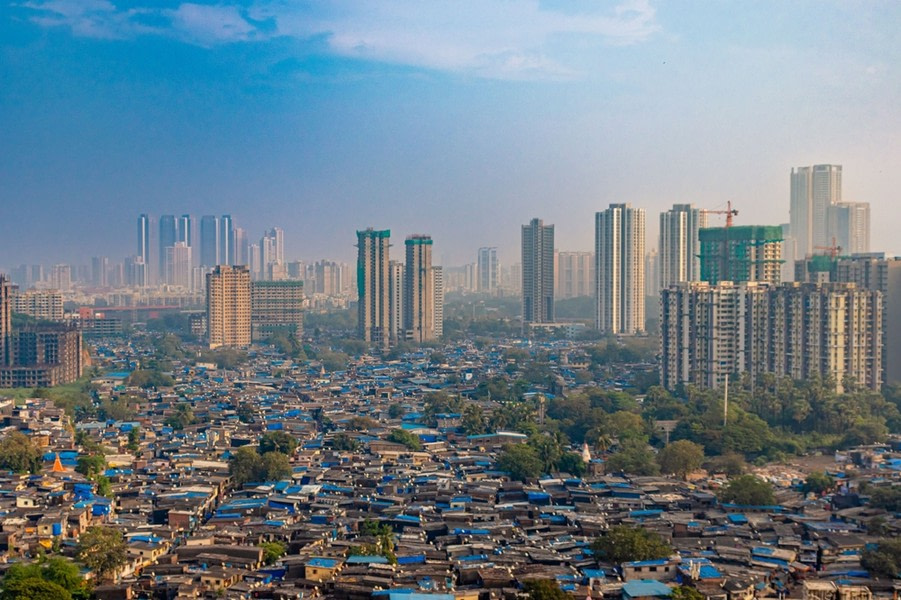
Mumbai is a city compressed by geography and expanded by ambition. Built on a narrow peninsula, the city has water on three sides and no easy direction to grow. As India’s financial and entertainment capital, it attracts people regardless of housing constraints. Density intensifies upward and inward.
What makes Mumbai unique is proximity. Luxury towers rise near vast informal settlements. Corporate offices sit minutes from fishing villages. Bollywood studios operate alongside historic textile mill districts. The city’s contradictions are not hidden. They are adjacent.
Visitors encounter a city defined by movement and energy. Colonial-era architecture lines South Mumbai. Marine Drive curves along the sea. Markets, trains, and street food shape daily rhythm. Mumbai’s size reflects economic gravity forced into a physically tight space.
13. São Paulo, Brazil
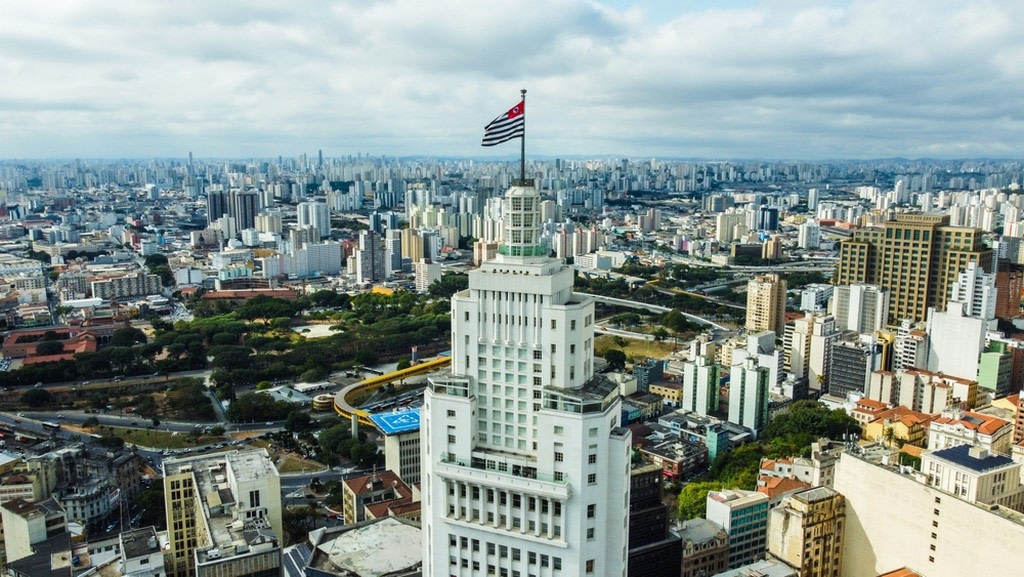
São Paulo does not overwhelm through density. It overwhelms through distance. The city expanded horizontally across vast land, forming a polycentric urban region where business districts, residential zones, and industrial areas spread outward rather than stacking upward. Highways stitch together a city measured in hours rather than blocks.
São Paulo became enormous during Brazil’s industrial boom. Manufacturing, finance, and migration converged here over decades. Growth slowed later, but scale remained.
For visitors, São Paulo feels endlessly varied. Neighborhoods change character quickly. Food culture reflects global immigration. Art, music, and nightlife thrive in pockets across the city. São Paulo’s size reflects continental space combined with industrial momentum.
14. Bangkok, Thailand
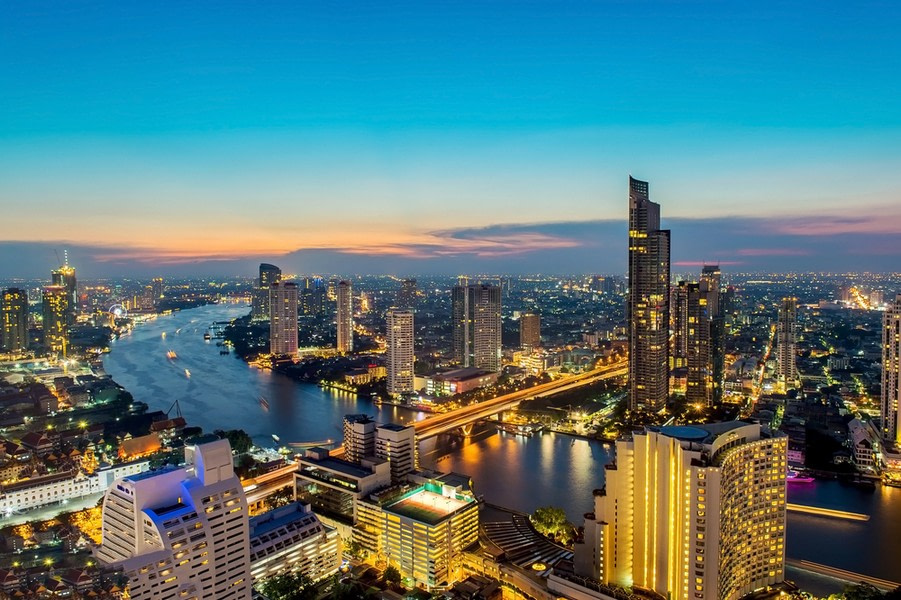
Bangkok grew where land was easy to settle and hard to defend. Built on a low-lying floodplain, the city developed along canals and rivers long before roads dominated movement. Water still defines its relationship with space, even as modern growth reshapes the landscape.
Bangkok dominates Thailand economically and culturally. Migration flows inward from across the country, reinforcing its primacy. Expansion negotiates constantly with flooding, drainage, and land subsidence.
Visitors experience a city of contrasts. Ornate temples and royal compounds sit near glass towers. Street food culture thrives day and night. Riverboats remain a practical way to move. Bangkok’s size is a balance between human density and a landscape that never fully yields.
15. Mexico City, Mexico
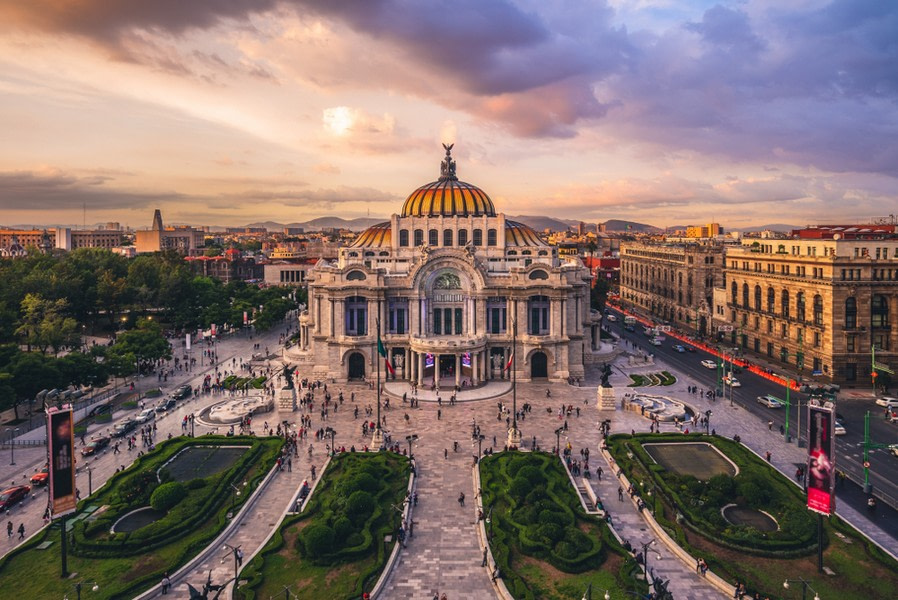
Mexico City is not one city. It is dozens of distinct urban worlds layered over centuries of history. Built on the ruins of Tenochtitlán, the Aztec capital, the city still reveals its past in physical layers. Ancient causeways and temples sit beneath Spanish colonial plazas and modern avenues. In some neighborhoods, buildings visibly lean as the ground slowly sinks, a result of draining the lake on which the city was built.
What makes Mexico City exceptional is its internal diversity. Polanco and Santa Fe feel corporate and global. Roma and Condesa function as cultural centers with walkable streets and cafés. Coyoacán preserves a slower pace tied to the city’s artistic and intellectual history. Each district operates almost as its own city.
For visitors, Mexico City offers depth rather than spectacle. World-class museums like the National Museum of Anthropology sit alongside massive markets, historic cathedrals, and a food scene that rivals any in the world. Mexico City became enormous because it has always been the center of gravity in the region. It remains enormous because it continues to absorb culture, power, and ambition, even as physical limits press upward from below.
The Future of Megacities
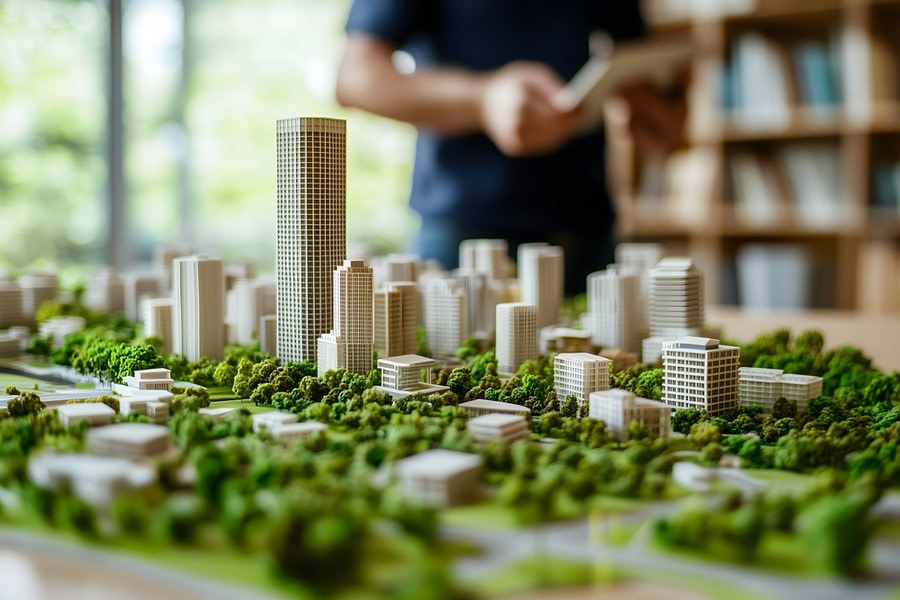
The world’s largest cities do not grow by accident. At a certain size, cities begin to reinforce themselves. Jobs attract people. People attract services. And services attract more investment. Once a city crosses that threshold, growth becomes momentum-driven. Even when conditions deteriorate, the pull remains stronger than the push. Migration flows inward, not because megacities are easy places to live, but because alternatives are limited or weaker.
Some megacities handle scale far better than others. It comes down to structure. Cities that grew around rail networks, flexible housing supply, and decentralized neighborhoods tend to absorb density more smoothly. Tokyo and Seoul are examples. Their scale is divided into many smaller, self-contained urban units tied together by transit.
Other cities grew reactively. Housing followed people instead of leading them. Infrastructure arrived late. Informal systems filled the gaps. In places like Dhaka, Karachi, and parts of Jakarta, the city works through improvisation rather than design. Mumbai compresses vertically because it has nowhere to go. Cairo expands into desert because farmland cannot be sacrificed. Mexico City sinks because it was built on a drained lake. Cities do not overcome geography. They negotiate with it. These cities are adapting in real time, often faster than formal governance can respond.
Looking ahead, the era of unchecked megacity growth is already changing.
In East Asia, population decline and aging are slowing expansion. Tokyo, Seoul, and Shanghai are stabilizing rather than exploding. In contrast, South Asia and parts of Africa will continue adding millions, driven by demographics and migration pressure.
Environmental limits are becoming unavoidable. Water scarcity, flooding, heat, and land subsidence are no longer future risks. They are present constraints shaping policy decisions.
The next phase of urban growth will not be about becoming bigger. It will be about becoming workable. The cities that succeed will not be those that grow fastest, but those that adapt their structure to the scale they have already reached.