





Summit night on Kilimanjaro can sometimes play tricks on the mind.
You start around midnight. It’s cold. It’s dark. You’re sleep deprived. And you have to ascend 4,000 feet at a slow, steady pace. For hours, the only things in your world are the beam of your headlamp, the boots of the person in front of you, and the sound of your breathing.
This is the context where strange mental things happen.
For some, there may come a point where everything feels a bit surreal. You are walking, but not fully present. The mountain you’re standing on feels distant, like you are moving through a dream. It’s often described as sleepwalking or becoming like a zombie. It sounds dramatic, but it’s actually a common and very real phenomenon on Kilimanjaro.
What Causes It?

The primary cause is hypoxia, or low oxygen. Our brains are extremely sensitive to oxygen levels. Even modest reductions in oxygen slow neural processing. At the summit of Kilimanjaro, the air holds roughly half the oxygen found at sea level. That means your brain is operating with much less oxygen than it normally receives.
When that happens, cognitive function slows. Alertness drops. Attention fades. Fatigue increases. Climbers may begin to feel sleepy or detached.
Summit night conditions make this effect even stronger. Teams usually wake up before midnight to prepare for the summit push. Though they try to go to bed early, sleep at high altitude is often shallow and fragmented. Realistically, most people only get a few hours of rest at best. So climbers begin the climb while sleep deprived. The hike also occurs during the body’s natural sleep cycle. Between 1:00 am and 5:00 am, alertness is at its lowest. During these hours, the brain releases melatonin, which signals the body to sleep. Finally, darkness and monotony reinforce the response. With little visual and mental stimulation, the brain receives few signals to stay alert.
All of this creates a strange but important distinction. You may feel sleepy, but not necessarily tired. Your legs may still work. Your muscles may still feel capable. But your brain wants to disengage.
Tiredness is muscular and metabolic. Sleepiness is neurological. On summit night, the brain is often the limiting factor.
What to Do About It
Fortunately, there are practical ways to manage sleepiness.
Here are five things you can do when it happens.
1. Pressure Breathing
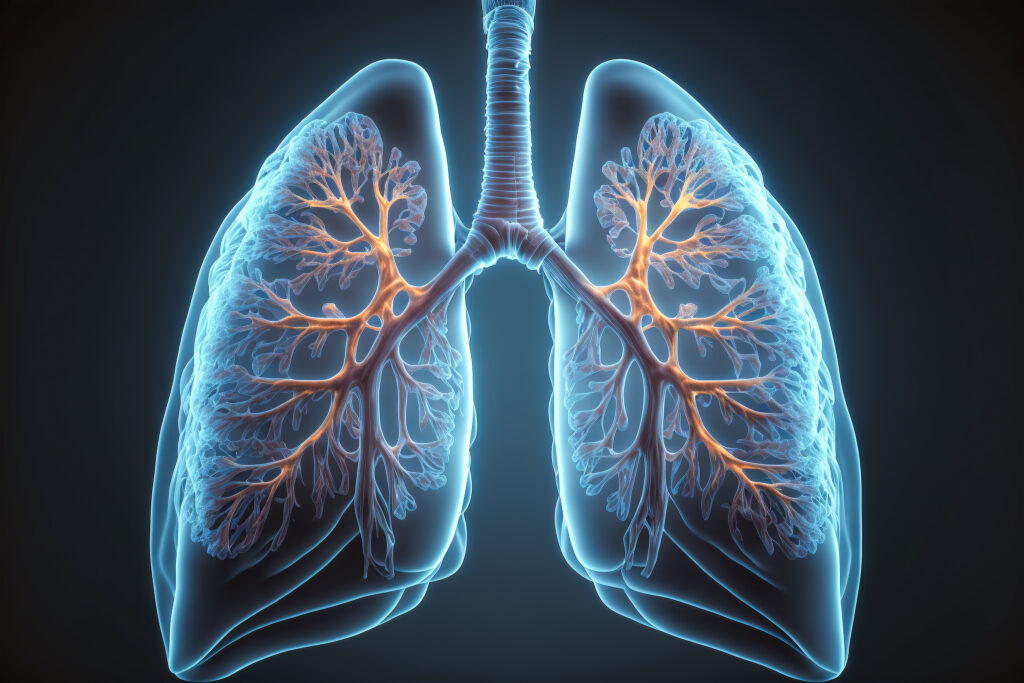
Pressure breathing is one of the most effective tools. This method of inhaling and exhaling pushes more air through the lungs and improves oxygen delivery to the brain. The technique is simple. Take a deep breath in, then forcefully exhale through pursed lips, almost like you are blowing out a candle. Do this for five or ten breaths. Mental clarity often improves within a few breaths.
2. Mental Engagement

Mental engagement helps more than people expect. Talking with others. Counting steps. Problem solving. Anything novel can snap you out of the fog. Personally, I reliably “wake up” when talking to others or when helping someone with their gear. Interacting with others can help keep both people alert.
3. Caffeine

Caffeine can help in small amounts. It works by blocking adenosine, a chemical in the brain that signals sleepiness. This can temporarily increase alertness and mental clarity. There is also evidence caffeine can improve endurance at altitude. Small amounts tend to work best on the mountain.
4. Steady Movement

Steady movement helps. Long stops often make the fog worse because the body cools down and the mind disengages. A slow, continuous pace keeps both the body and brain active.
5. Sunrise
Sunrise is not something you can control, but it’s a major turning point for many climbers. The landscape suddenly becomes visible, providing visual stimulation after hours of darkness. For many, the sleepiness disappears once the sun comes up. Because of that, reaching sunrise can be a helpful mental goal during the climb.
These five strategies are simple, but they work. When that dreamlike state arises, small adjustments like these can help bring your mind back online.
Is it Safe to Continue?
The key question people have is whether it is safe to continue.
In most cases, yes.
But there is something important to watch for.
The sleepiness climbers experience on summit night is usually not constant. Everything can feel surreal then return to normal. It comes and goes, both in intensity and duration. You might feel extremely drowsy for several minutes, then clear again, then drowsy again. But you can still answer questions, follow instructions, and make decisions. You’re not as sharp as usual, but your ability to think logically remains intact.

Sleepiness that fluctuates, while you can still think clearly, is usually benign.
Serious altitude sickness looks different. The key difference is that the ability to think becomes impaired to the point of confusion. A climber may become disoriented, struggle to answer simple questions, or fail to follow instructions. They may forget basic things like where they are on the mountain or what they are supposed to do next.
Unlike the temporary sleepiness described earlier, these symptoms do not come and go. They tend to persist and progressively worsen.
If you can no longer answer simple questions or follow instructions, it’s time to turn around.
Final Thoughts
Summit night is not just physically demanding. It is neurologically unusual.
But now that you understand this, it won’t feel so unsettling. If summit night starts to feel like a dream, you’ll recognize what’s happening, why it’s happening, what you can do about it, and what to expect next. It doesn’t mean you are failing or that anything is necessarily wrong. It’s something many climbers experience on Kilimanjaro. In most cases, it passes just as quietly as it appeared.