




























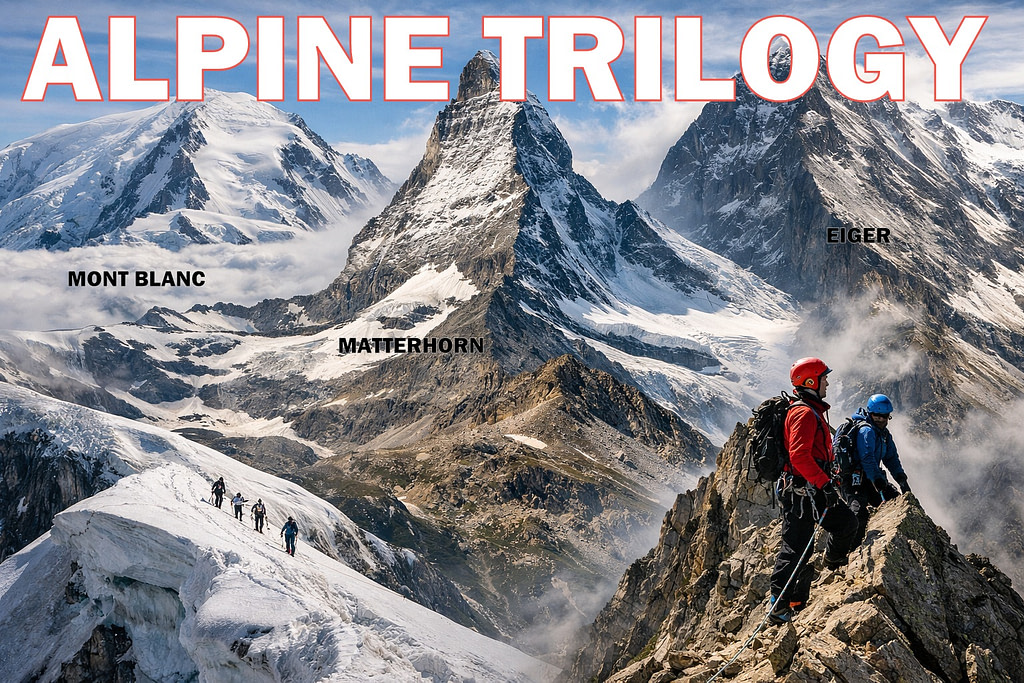
The Alpine Trilogy refers to three of the most famous mountains in European mountaineering: Mont Blanc, the Matterhorn, and the Eiger.
Together, these three mountains came to represent the full arc of Alpine climbing: height, exposure, and technical difficulty.
All three are located in the European Alps, primarily in Switzerland, France, and Italy. They are climbed during short summer weather windows and require early starts, precise timing, and strong mountain judgment. Unlike trekking peaks, these climbs involve real objective hazards, including crevasses, rockfall, avalanches, and rapid weather changes.
Completed together, they form a logical progression and a widely respected mountaineering goal.
Mont Blanc
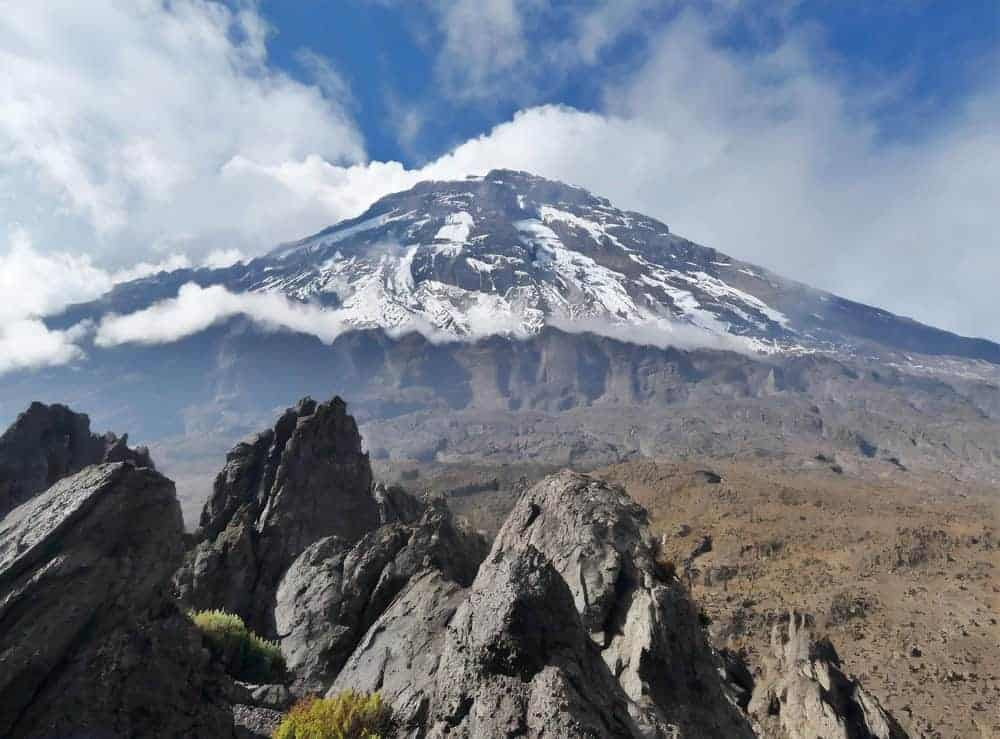
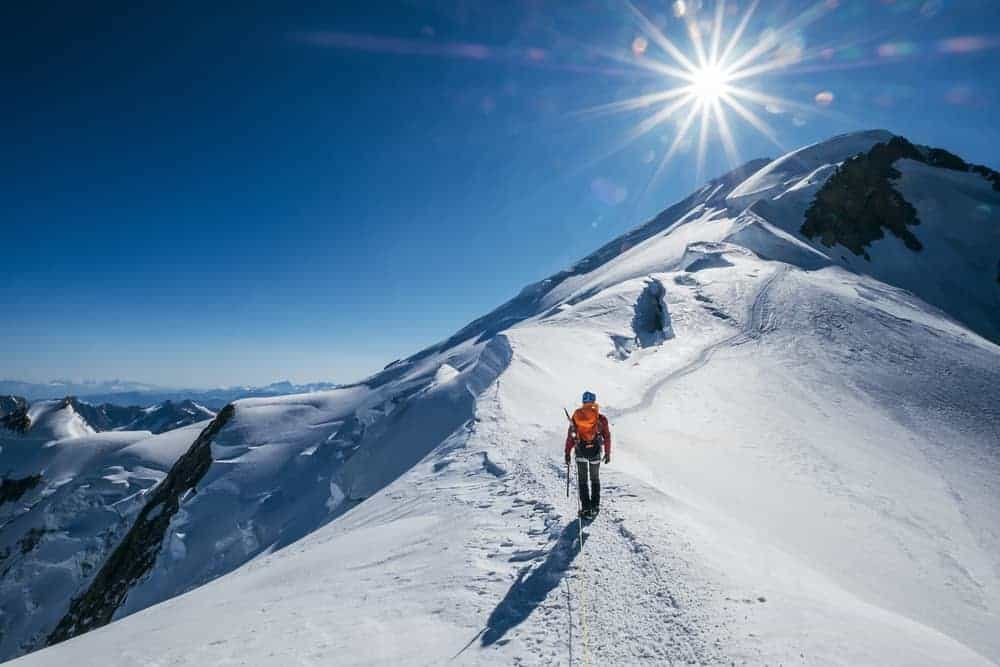
Mont Blanc stands 15,777 feet (4,808 meters). It is the highest mountain in the Alps and the most climbed. For many climbers, it is the first true Alpine peak they attempt. Not because it is easy, but because it introduces core alpine systems such as glacier travel, rope teams, and crevasse risk.
The standard routes are not highly technical, but they are physically demanding. Long summit days, altitude, and heavy crowds create real danger. Many accidents occur during descent, when fatigue slows movement and judgment deteriorates.
Mont Blanc teaches pacing and discipline. It shows how altitude affects decision-making over time. For many, it is their first experience on large, complex glaciated terrain.
Matterhorn
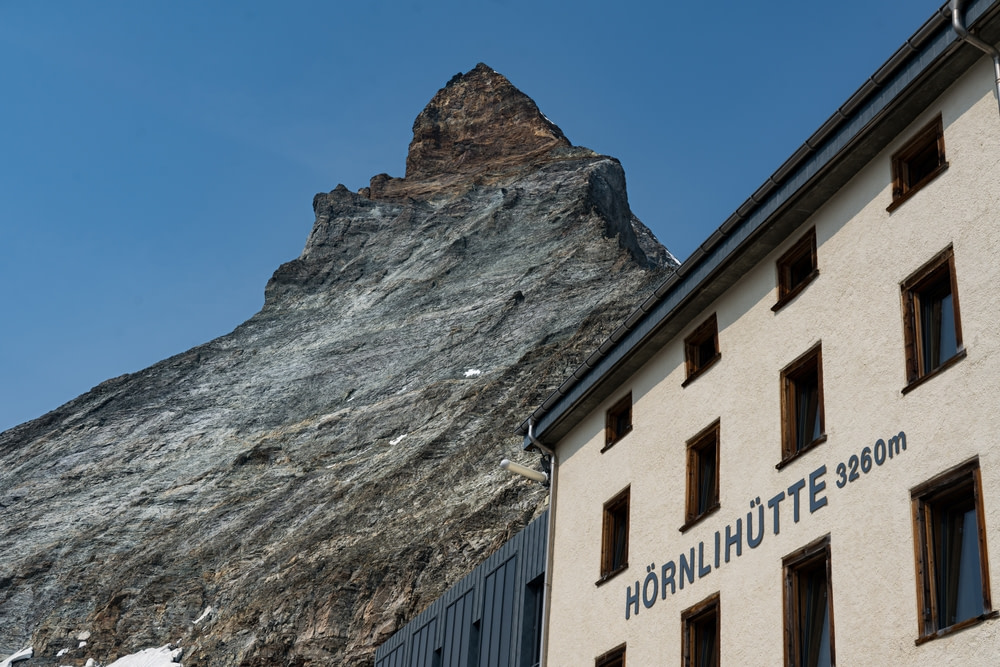
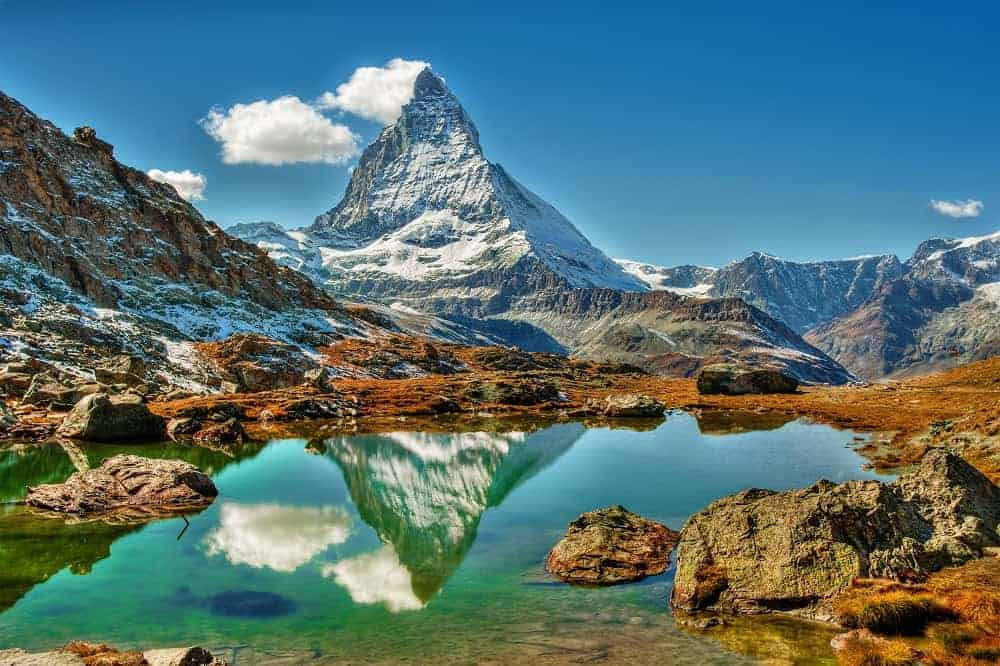
The Matterhorn rises to 14,692 feet (4,478 meters) on the Swiss–Italian border. It is one of the most recognizable mountains in the world. It is also one of the most unforgiving.
The Hörnli Ridge, the standard route, is a sustained scramble on steep rock with continuous exposure. There are no trails and few natural rest points. A fall is rarely survivable. Climbers must move efficiently for 8 to 12 hours while maintaining balance and precision on steep terrain. Weather, rockfall, and pace determine whether the climb remains manageable or becomes dangerous.
The Matterhorn tests movement under pressure. This is where climbers learn that scrambling is fundamentally different from hiking, and exposure magnifies fatigue and errors.
Eiger
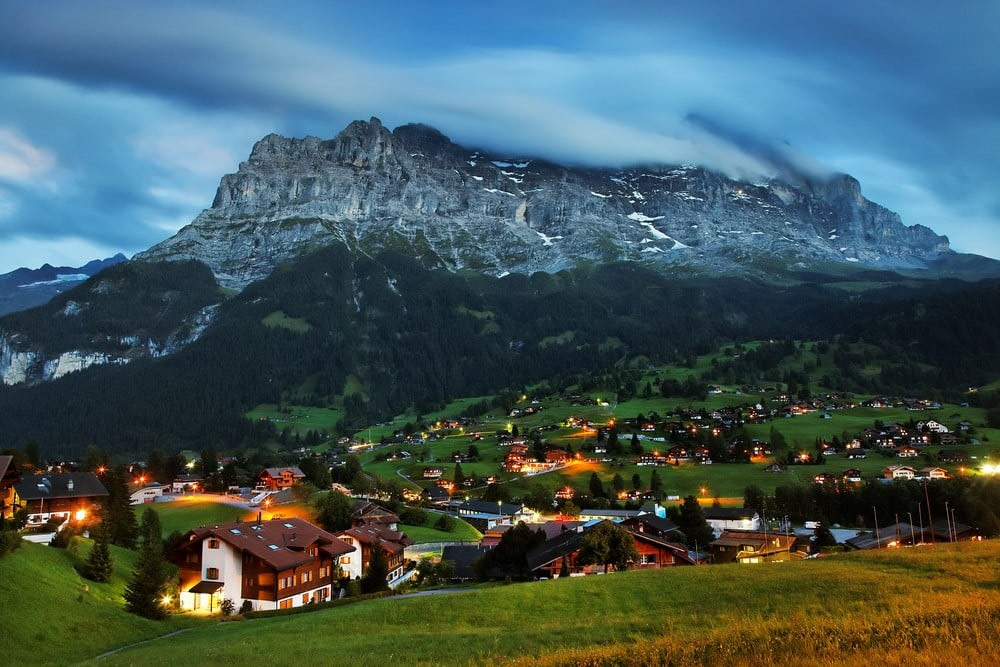
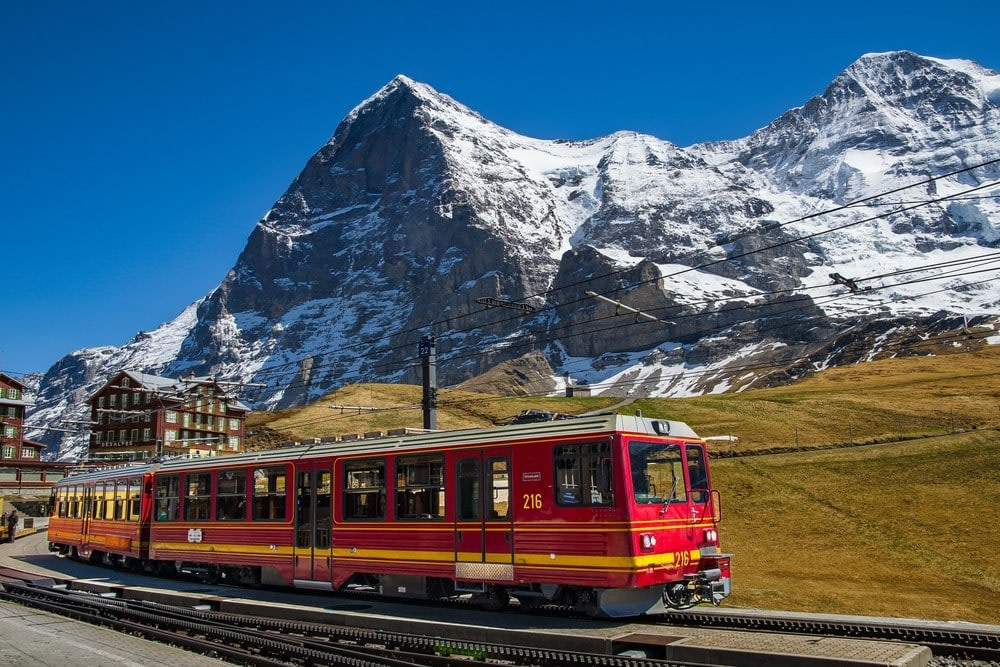
The Eiger stands 13,015 feet (3,967 meters), but height is not what defines it. The classic Mittellegi Ridge involves continuous mixed climbing along a narrow crest with sustained exposure. Rock quality is inconsistent, and conditions can change quickly.
Climbers must manage ropes efficiently and move through transitions without hesitation. Delays increase risk. Summit days commonly last 10 to 12 hours with few true breaks, demanding sustained concentration from start to finish.
The Eiger is mentally exhausting. Fatigue affects judgment, and small mistakes compound rapidly. This is why it remains one of the most respected climbs in the Alps.
How To Complete Them
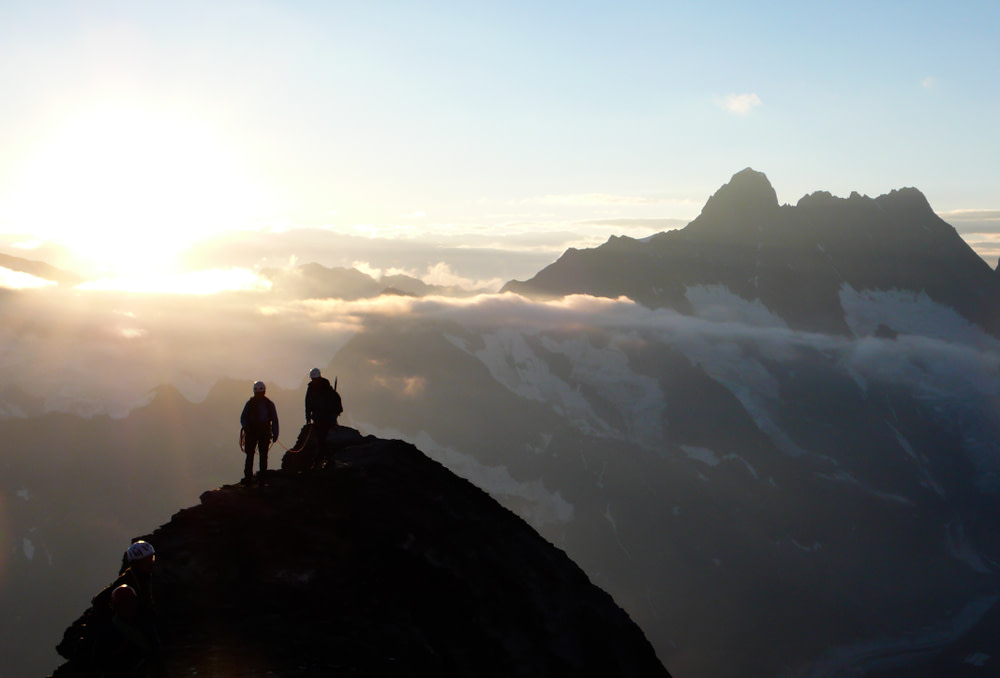
The Alpine Trilogy is usually approached in a specific order because the consequences increase sharply at each step.
Mont Blanc comes first because it reveals deficiencies safely enough to correct them. Climbers learn whether their fitness, pacing, and altitude tolerance are adequate for long alpine days. Mistakes are costly but often survivable. This is where systems are tested under real conditions. Before Mont Blanc, climbers should focus on acquiring strong aerobic fitness.
The move to the Matterhorn is a sharp escalation. The margin for error narrows. Fatigue that was manageable on Mont Blanc now affects balance and decision-making in exposed terrain. Climbers who were merely uncomfortable before may become unsafe here. Before the Matterhorn, spend time scrambling on exposed rock. If exposure slows you down, the risk increases quickly.
The final step to the Eiger is another order of magnitude. There is little room to slow down, reset, or improvise. Systems must already be refined. Judgment must remain intact late in the day. Small inefficiencies that were tolerated on the previous peaks now carry serious consequences. Before the Eiger, climbers should be fully comfortable moving efficiently on steep, exposed terrain without needing frequent instruction or reassurance.
Read more about climbing each mountain by clicking the thumbnails below:
Where Mount Kilimanjaro Fits
Mount Kilimanjaro occupies a different category from the Alpine Trilogy.
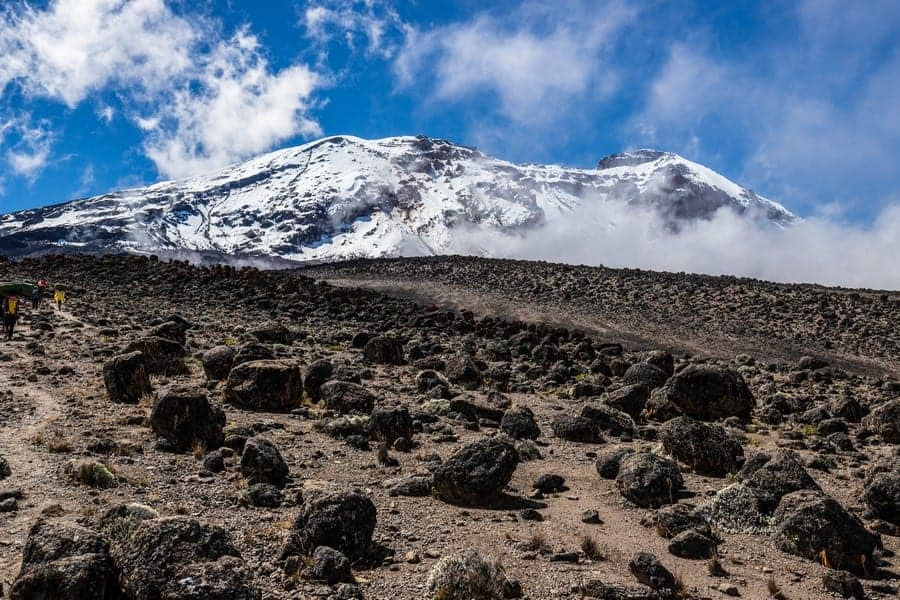
Kilimanjaro is a trekking peak that stands 19,341 feet (5,895 meters) tall. It does not require technical climbing, rope systems, or glacier travel. The terrain is straightforward. The challenge is altitude sustained over multiple days.
On Kilimanjaro, climbers learn how their bodies respond to low oxygen, poor sleep, and cumulative fatigue. Many strong hikers struggle despite good fitness, which makes the mountain an effective introduction to high-altitude stress.
From there, Mont Blanc becomes a logical next step. But it’s important to note that the jump from Kilimanjaro to Mont Blanc is significant. It adds glacier travel and alpine systems without overwhelming technical complexity. It also demands substantially higher fitness. Many climbers who succeed on Kilimanjaro are surprised by how much harder Mont Blanc feels.
Climbing Kilimanjaro does not prepare climbers for the physical or technical demands of the Alps. Each step in the Alpine Trilogy represents a clear and meaningful increase in difficulty.