


































In the United States, the word city can mean different things.
It can refer to the official city limits (the city proper). It can also refer to the larger urban region that surrounds it, including suburbs and neighboring municipalities. For most large American cities, this broader region is the more meaningful definition, because it reflects how people actually live. Millions of residents may work in the central city but live elsewhere, and daily life is spread across many jurisdictions.
That is why population rankings can be confusing if the definition is not stated upfront. A city like Phoenix may seem modest by city-proper population, yet its metropolitan area is among the largest in the country. By contrast, cities like New York and Chicago contain a large share of their population within denser cores.
For this article, “city” refers to the metropolitan statistical area (MSA). MSAs are defined by the U.S. Office of Management and Budget and are based on economic and commuting ties. This provides a consistent way to compare the true scale of U.S. urban regions.
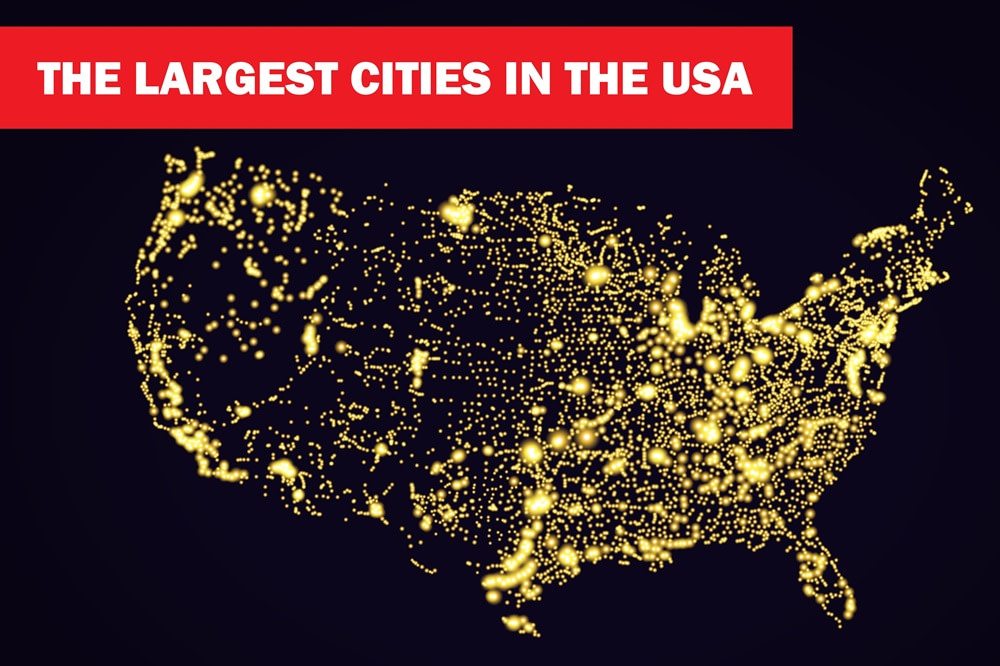
This list ranks the 15 largest U.S. metropolitan statistical areas (MSAs) by population.
| Rank | City | Metropolitan Area | States | Population (2025 est.) |
|---|---|---|---|---|
| 1 | New York City | New York–Newark–Jersey City | New York, New Jersey, Pennsylvania | 19.6M |
| 2 | Los Angeles | Los Angeles–Long Beach–Anaheim | California | 12.9M |
| 3 | Chicago | Chicago–Naperville–Elgin | Illinois, Indiana, Wisconsin | 9.5M |
| 4 | Dallas | Dallas–Fort Worth–Arlington | Texas | 8.3M |
| 5 | Houston | Houston–The Woodlands–Sugar Land | Texas | 7.6M |
| 6 | Atlanta | Atlanta–Sandy Springs–Alpharetta | Georgia | 6.4M |
| 7 | Washington, DC | Washington–Arlington–Alexandria | District of Columbia, Virginia, Maryland, West Virginia | 6.4M |
| 8 | Philadelphia | Philadelphia–Camden–Wilmington | Pennsylvania, New Jersey, Delaware, Maryland | 6.2M |
| 9 | Miami | Miami–Fort Lauderdale–West Palm Beach | Florida | 6.3M |
| 10 | Phoenix | Phoenix–Mesa–Chandler | Arizona | 5.2M |
| 11 | Boston | Boston–Cambridge–Newton | Massachusetts, New Hampshire | 5.0M |
| 12 | Riverside | Riverside–San Bernardino–Ontario | California | 4.7M |
| 13 | San Francisco | San Francisco–Oakland–Berkeley | California | 4.6M |
| 14 | Detroit | Detroit–Warren–Dearborn | Michigan | 4.3M |
| 15 | Seattle | Seattle–Tacoma–Bellevue | Washington | 4.1M |
15 Biggest Cities in the USA by Population
1. New York City
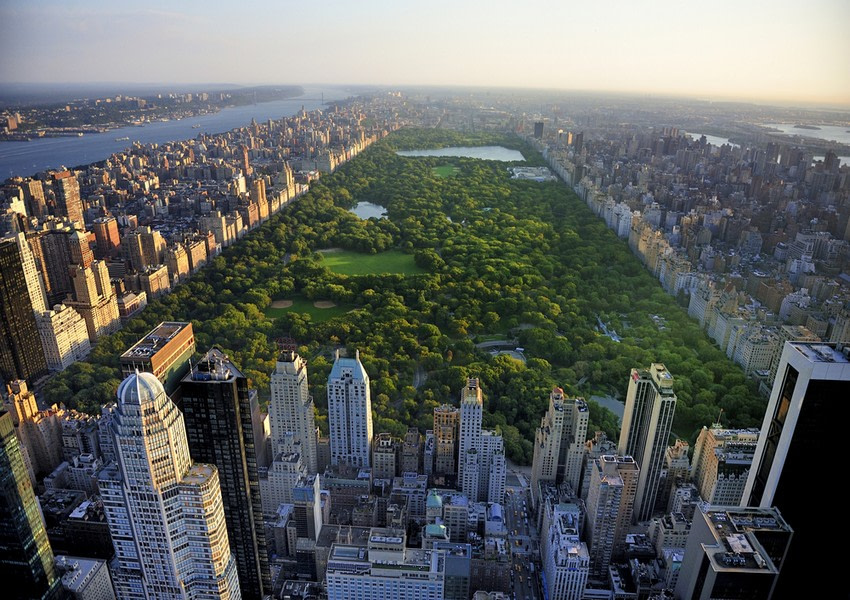
New York feels permanent in a way no other American city does. The geography forces it to be what it is. Water constrains expansion. Islands compress growth inward. Density is not a policy choice here. It is a physical requirement. Subways are not optional infrastructure. They are the circulatory system that keeps the city alive.
What makes New York exceptional is how many distinct cities exist inside it at full intensity. Manhattan is vertical, competitive, and transactional. Brooklyn is neighborhood-driven and cultural, with pockets that feel intimate despite the scale. Queens functions as one of the most diverse places on Earth, where entire global communities coexist within a few subway stops. Even the suburbs, from New Jersey to Long Island, are tightly integrated into daily movement.
For visitors, New York feels immediate and overwhelming. Streets are active at all hours. Neighborhood identity is sharp. The city demands engagement. People continue to come because nowhere else in the United States concentrates ambition, talent, culture, and friction this tightly. New York is large because it concentrates rather than disperses.
2. Los Angeles
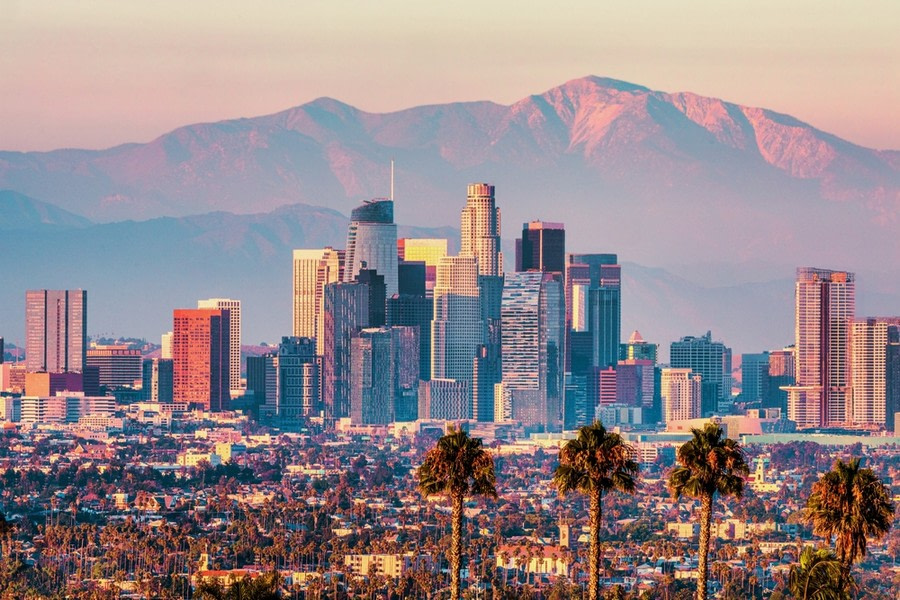
Los Angeles does not reveal itself all at once. It reveals itself over miles. There is no single center that explains the city. Downtown exists, but it does not command the region. Instead, Los Angeles operates as a constellation of semi-independent cities. Hollywood, Santa Monica, West Hollywood, Pasadena, Long Beach, the Valley, and dozens more each have their own economies, rhythms, and identities.
Los Angeles’s scale was made possible by engineering, not geography. The Los Angeles Aqueduct, completed in the early 20th century, redirected water from hundreds of miles away and removed the city’s natural growth ceiling. With water no longer a constraint, expansion followed land and automobiles rather than density or rail.
Freeways are the true connective tissue. Space replaced height. Distance became normalized. Growth spread horizontally, not vertically.
Los Angeles often feels fragmented until it clicks. Beach culture, immigrant neighborhoods, studio lots, logistics corridors, and mountain backdrops coexist without hierarchy. Los Angeles is enormous because it solved its resource limits early and then scaled outward without restraint.
3. Chicago
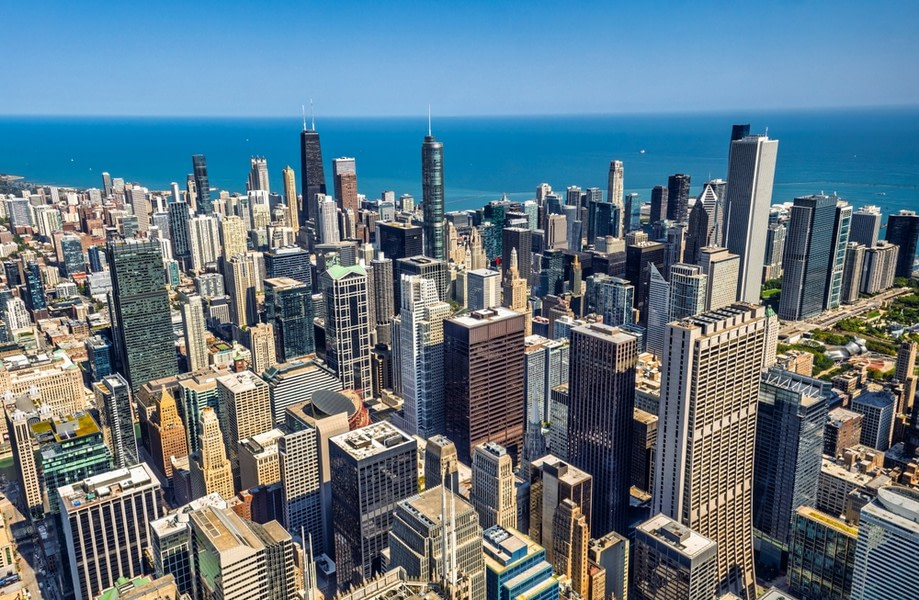
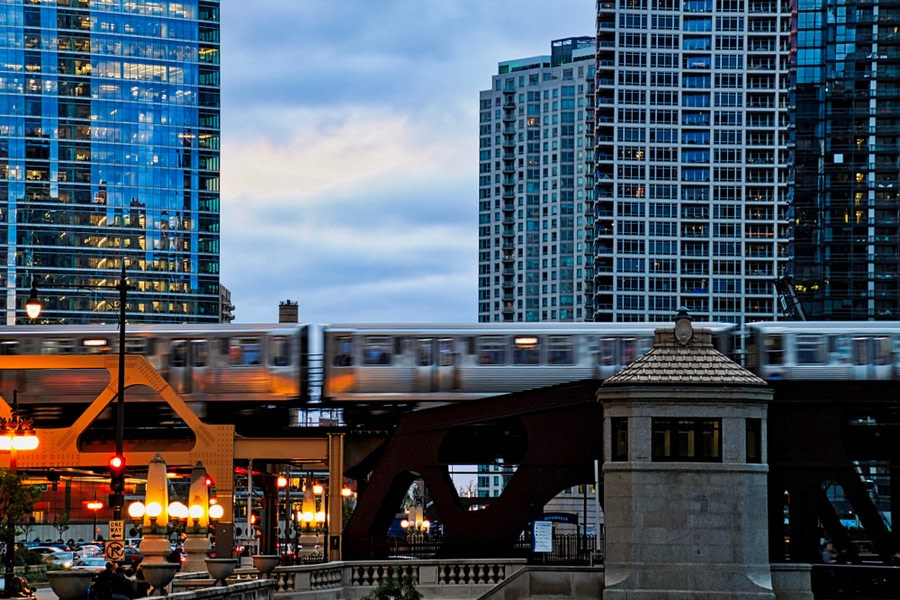
Chicago is America’s most complete traditional city. It feels intentional because it was rebuilt with intention. After the Great Chicago Fire of 1871 destroyed much of the city, Chicago was forced to start over. What followed was one of the most deliberate urban rebuilds in American history. Streets were widened, building codes tightened, and architectural ambition exploded. The modern skyline was not accidental. It was a response.
That reset locked in Chicago’s structure. The Loop became the organizing core. Rail lines radiated outward. Neighborhoods formed as dense, self-contained units connected by transit. The lakefront was preserved as public space rather than surrendered to private development, giving the city a clear eastern edge and a sense of order.
Neighborhoods like Lincoln Park, Hyde Park, and Wicker Park feel complete rather than provisional. The skyline reflects architectural ambition rather than speculation. Chicago is large because it became the Midwest’s organizing center and never relinquished that role.
4. Dallas
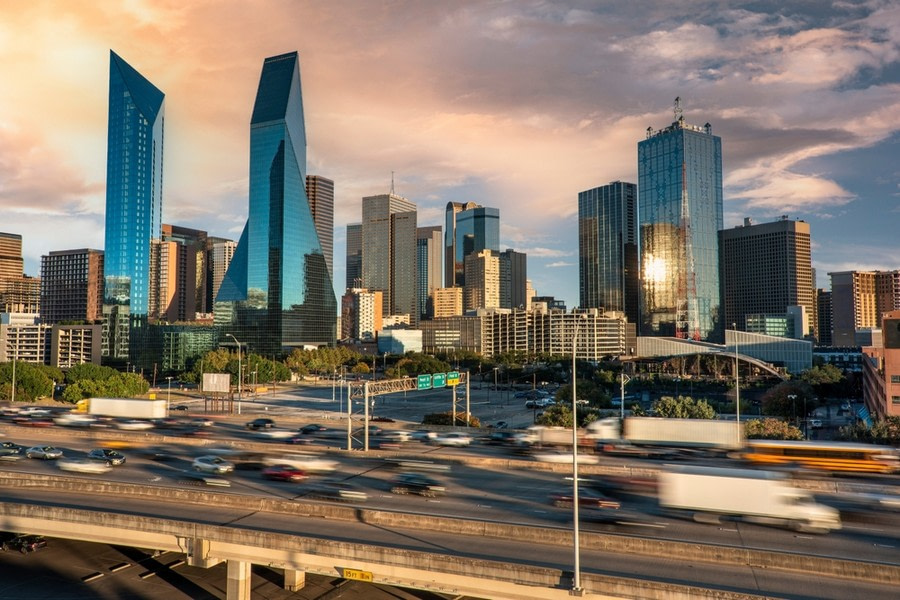
Dallas–Fort Worth is a city that grew by agreement rather than dominance. Dallas and Fort Worth began as separate cities tied to different economic roles. Fort Worth emerged as a cattle and livestock hub at the western edge of the rail network. Dallas developed as a rail, banking, and later oil-centered city. Neither replaced the other. Growth filled the space between them.
That dual origin still defines the metro. Multiple business centers coexist. No single downtown controls the region. Highways, logistics corridors, and corporate campuses stitched the area together rather than compressing it inward.
What defines DFW is elasticity. Land is available. Zoning is permissive. Housing responds quickly to demand. Corporate campuses, logistics hubs, and residential developments expand outward with little friction. When people arrive, the region stretches to accommodate them.
Dallas–Fort Worth feels vast rather than dense. Neighborhoods are modern and functional. The scale reveals itself over time, not at a glance. DFW is large because it removes obstacles to growth instead of managing around them.
5. Houston
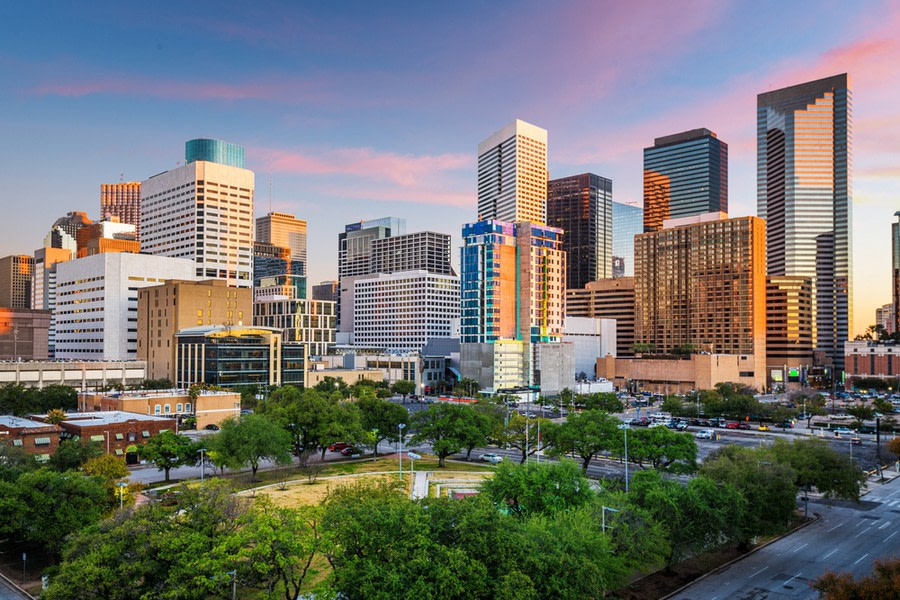
Houston is big because it adapts faster than it resists. There is no traditional zoning structure. Development responds directly to demand. When industries change, neighborhoods shift. When people arrive, the city expands outward rather than tightening inward.
Energy defines Houston’s global role, but the city is far more than oil. The port is among the busiest in the country. The Texas Medical Center is one of the largest medical complexes in the world. Immigration has reshaped Houston quietly but completely, making it one of the most diverse metros in America.
Visitors often underestimate Houston because it lacks a dramatic core. The city reveals itself through scale and functionality rather than spectacle. Houston is large because it absorbs change instead of fighting it.
6. Atlanta
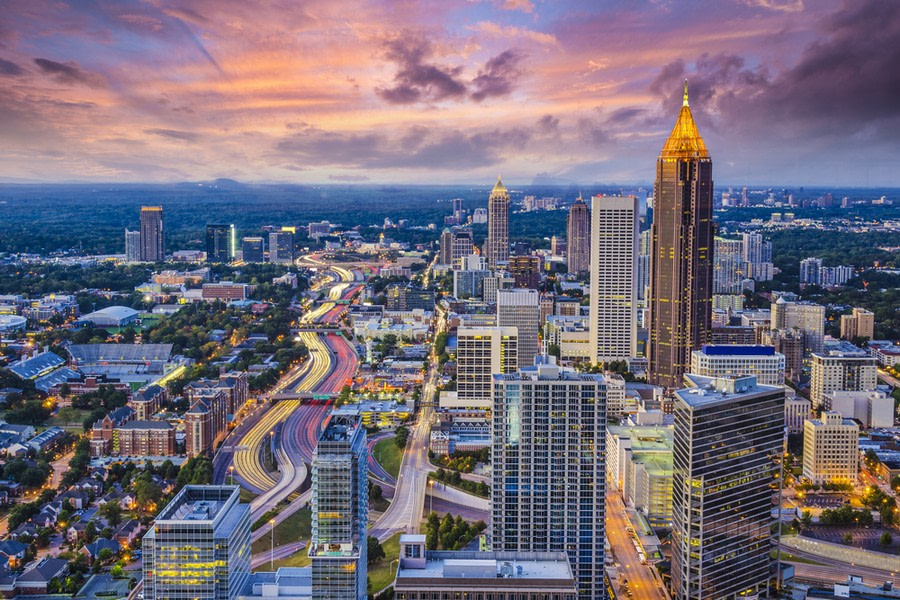
Atlanta is a city that grew around motion. After the Civil War, Atlanta rebuilt itself as the South’s primary rail junction. Railroads converged here, not at coastal ports, turning the city into the region’s transportation and commercial hub. That advantage never disappeared. It evolved.
Highways followed rail. Air travel followed highways. The airport became one of the busiest in the world, reinforcing Atlanta’s role as a connector rather than a destination city alone. Movement is not incidental here. It is foundational.
Atlanta does not revolve around a single dense core. Midtown, Buckhead, Downtown, and a wide ring of suburbs all function as economic centers. Growth spreads outward through wooded neighborhoods and highway corridors rather than compressing inward.
What makes Atlanta distinctive is cultural gravity layered onto sprawl. The city is a center of Black political power, music, film, and business. People move to Atlanta because it still feels expandable. Its size reflects sustained momentum rather than saturation.
7. Washington, DC
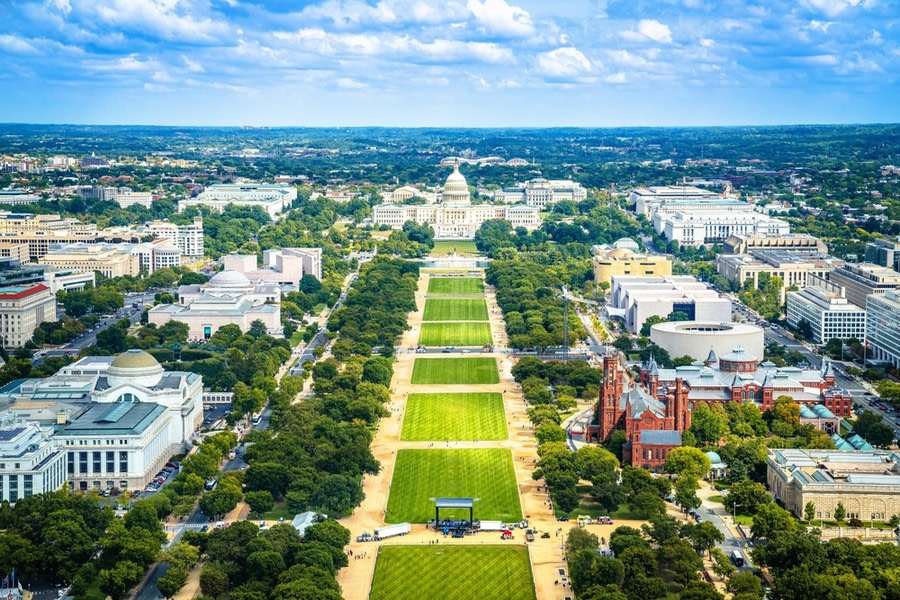
Washington is large because influence concentrates here. The city itself is compact, but the metropolitan region spreads far into Maryland and Virginia. Federal agencies, defense contractors, universities, and international institutions anchor the economy. Growth follows proximity to power rather than market cycles.
DC’s urban form is unusually restrained. Height limits preserve sightlines and prevent vertical density. Neighborhoods remain distinct and human-scaled. Suburbs integrate tightly through commuting patterns and transit lines.
For visitors, Washington feels deliberate. Monuments, museums, and planned avenues shape movement. The city’s scale is subtle rather than overwhelming. People come for access, stay for stability, and build long careers around institutions. Washington is large because it sits at the center of national decision-making.
8. Philadelphia
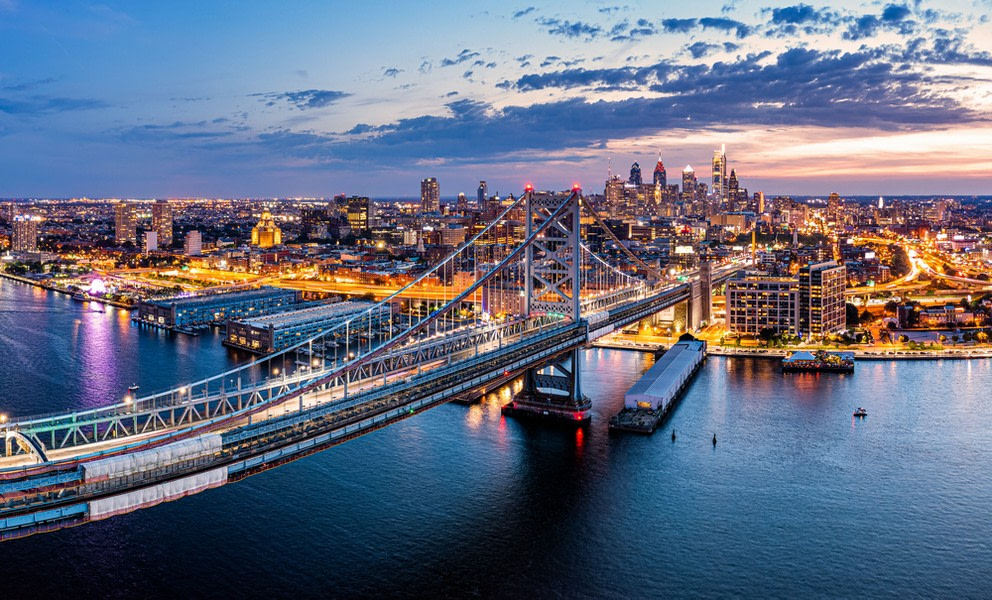
Philadelphia feels anchored. Unlike many large U.S. metros, it never fully abandoned its historic core. Dense rowhouse neighborhoods, walkable streets, and local commercial corridors remain central to daily life. The city still operates at a human scale.
Philadelphia’s internal geography matters. Center City anchors employment. Neighborhoods like South Philly, Fishtown, and West Philly maintain strong identities. The city feels lived in rather than transitional.
Visitors notice continuity. History is visible without being preserved behind glass. Proximity to New York and Washington adds relevance, but Philadelphia does not depend on them. Its size reflects endurance and cohesion rather than explosive growth.
9. Miami
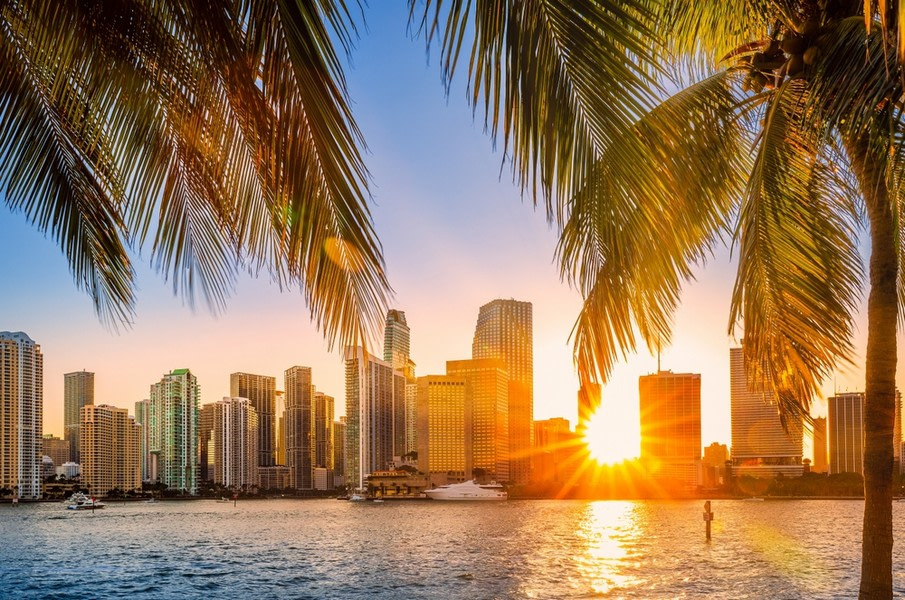
Miami is a city shaped by tides, both literal and financial. Geography constrains it. Water defines the edges. Density clusters along the coast and rises vertically where land is scarce. Expansion inland is limited and fragmented.
What makes Miami distinctive is its international orientation. Latin America, finance, tourism, and real estate intersect here. Capital flows in quickly. Neighborhoods shift rapidly. The city feels transient by design.
For visitors, Miami is immediate and visual. Beaches, high-rises, nightlife, and multilingual street life coexist. Little Havana, Brickell, Wynwood, and Miami Beach function as separate worlds. Miami is large because it absorbs global movement as much as domestic migration.
10. Phoenix
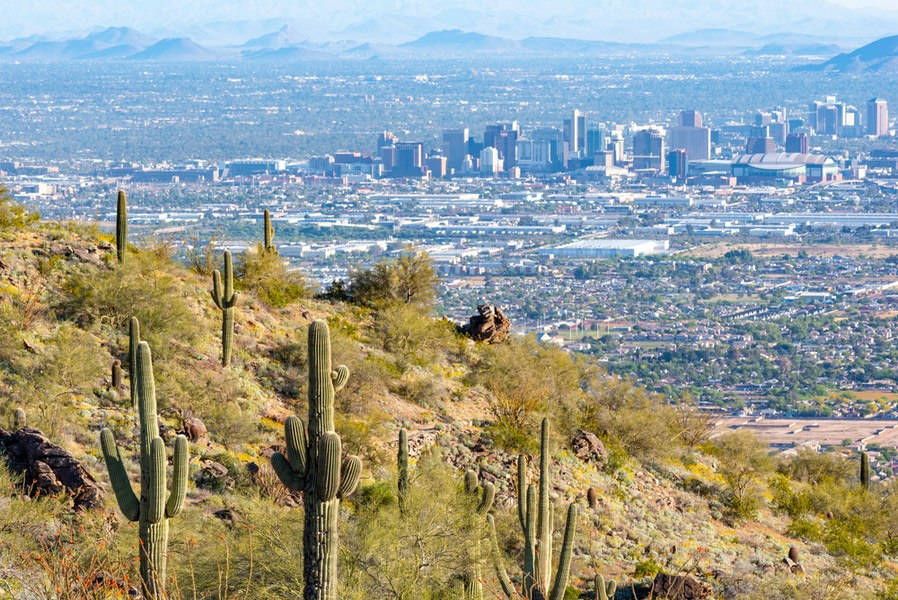
Phoenix is a city built almost entirely in the modern era. Before air conditioning, this scale of settlement in the Sonoran Desert was impossible. Once climate control and highways arrived, growth accelerated outward across flat land in every direction. Suburbs, business parks, and residential developments define the region.
Phoenix does not have a dominant core because it never needed one. Distance is normalized. Cars are essential. Neighborhoods feel open, bright, and newly constructed rather than layered.
Visitors notice space and light. Mountain ranges frame the city. Development feels orderly and expansive. People move to Phoenix for room, sun, and affordability. The city is large because it offered a blank slate when many older cities could not.
11. Boston
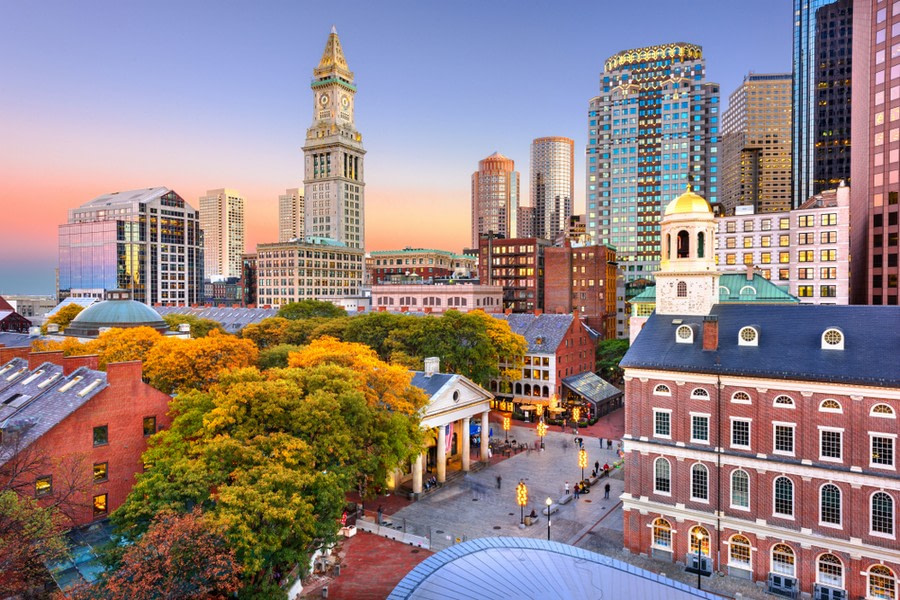
Boston is large because it concentrates brains, not bodies. The city is physically constrained by water, historic street patterns, and deliberate zoning limits. Expansion is difficult by design. Height is capped. Density increases slowly and selectively. Scarcity is maintained rather than solved.
What gives Boston depth is how fragmented and specialized it is internally. Downtown and Back Bay feel formal and institutional. Cambridge and Kendall Square operate as global research engines. Somerville and Jamaica Plain function as dense, neighborhood-driven enclaves with strong local identity. These places are close in distance but sharply different in purpose.
Movement in Boston feels compressed. Streets curve. Neighborhoods bleed into one another. Transit matters because driving is inefficient. The city rewards proximity over space.
People choose Boston for long games. Education, medicine, research, and finance anchor careers that unfold over decades. Boston is large because it concentrates expertise and institutional power into a physically small, tightly controlled region.
12. Riverside
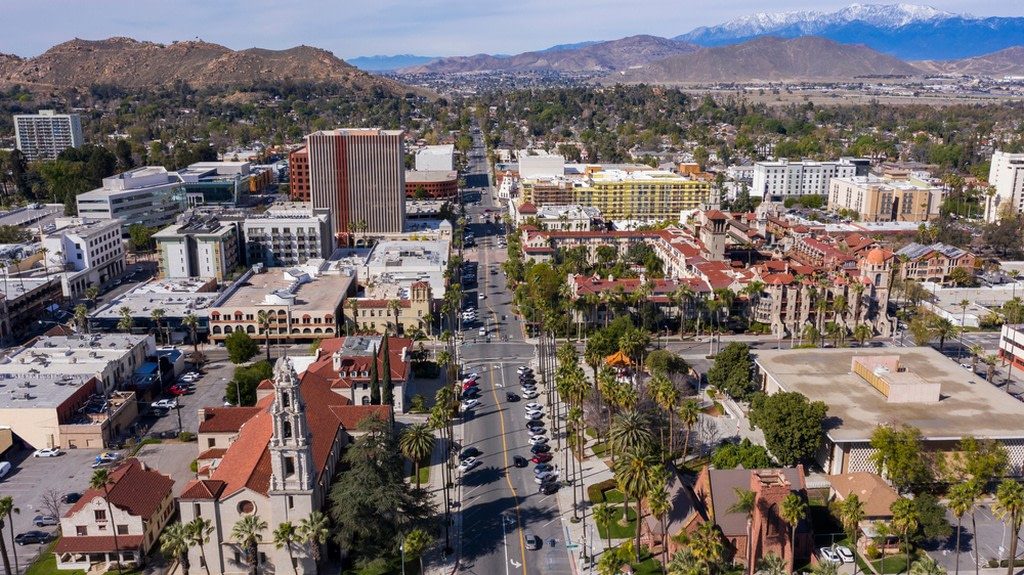
Riverside–San Bernardino is a city defined by distance. This metro exists because Southern California ran out of affordable space. As Los Angeles became denser and more expensive, growth pushed east across mountains and desert. What emerged was not a cultural center but a functional extension of the coastal economy.
The region has no single core. Riverside, San Bernardino, Ontario, and dozens of suburban cities operate independently, tied together by freeways and logistics corridors. Warehouses, distribution centers, and rail yards dominate large portions of the landscape. Commuting defines daily life.
For residents, the tradeoff is explicit. Space and affordability replace proximity and density. Homes are larger. Commutes are longer. The region absorbs population pressure rather than generating gravity of its own.
Riverside is large because it solves a spatial problem that coastal California could not.
13. San Francisco
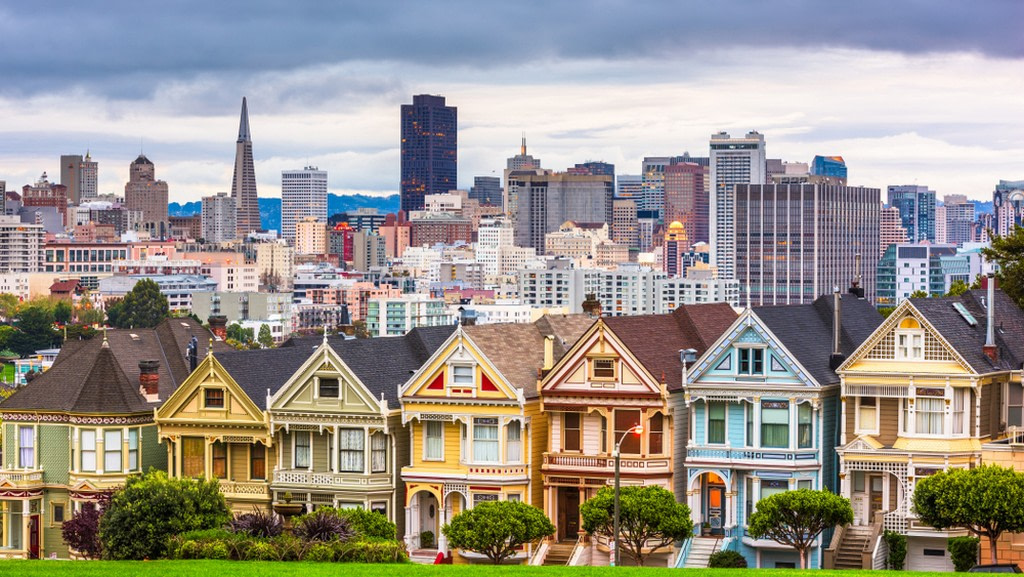
The Bay Area is large because it refuses to unify. Water, hills, and zoning restrictions prevent outward expansion. Instead of forming a single dominant city, the region fractured into powerful nodes. San Francisco, Oakland, Berkeley, Palo Alto, Mountain View, and San Jose each function as separate urban systems with distinct identities.
Movement defines the experience. Commutes cross bridges, pass through tunnels, and follow rail lines rather than straight roads. Density rises unevenly where it is permitted and stalls where it is resisted.
What gives the Bay Area its scale is economic concentration under constraint. Technology, venture capital, and innovation cluster here, pulling people in faster than housing allows. Neighborhoods like Mission District, Oakland’s Temescal, and Silicon Valley campuses feel worlds apart despite geographic closeness.
People choose the Bay Area for opportunity, not ease. It is large because its economic gravity overpowers its physical limits.
14. Detroit
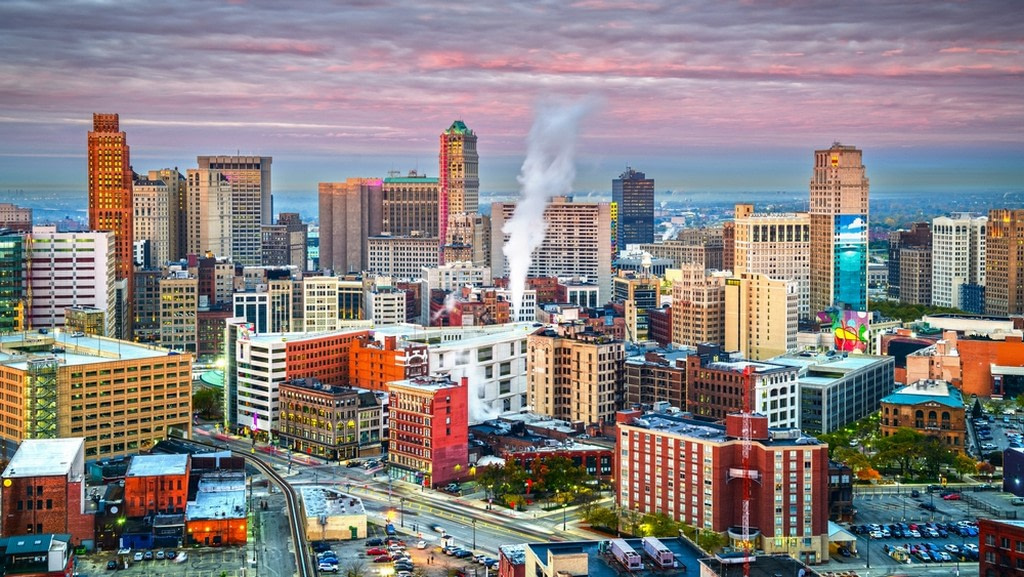
Detroit is large because it was built to serve an industry that reshaped the world. In the early 20th century, Detroit became the center of the global automobile industry. Ford, General Motors, and Chrysler did not just build factories. They built an entire metropolitan system around production, supply chains, and workers. Roads widened. Suburbs expanded. Infrastructure assumed growth would continue indefinitely.
That industrial logic defined Detroit’s footprint. Population spread outward along highways rather than compressing inward. Single-family homes, factory towns, and commuter suburbs formed a region designed for mobility and manufacturing rather than density.
When the auto industry contracted, the city did not collapse uniformly. The footprint remained. Today, Detroit is a city of sharp contrasts. The core is rebuilding selectively in neighborhoods like Midtown and Corktown, where investment, culture, and institutions are re-concentrating. Large areas remain open and quiet, a physical reminder of scale built for a different era.
15. Seattle
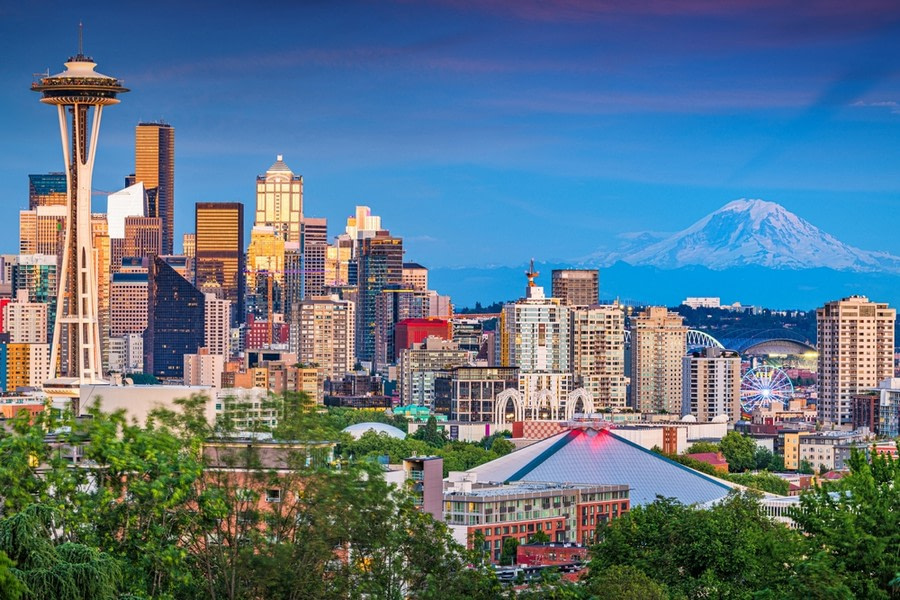
Seattle is a city shaped by edges. Water, mountains, and forests define where it can grow and where it must stop. Puget Sound cuts the city into peninsulas. Lake Washington blocks eastward expansion. The Cascades and Olympics frame the region and impose natural limits. Unlike many U.S. metros, Seattle cannot simply spread forever.
That constraint forces density to rise selectively. Neighborhoods like Capitol Hill, Ballard, Fremont, and Queen Anne retain strong identities while absorbing growth near transit corridors. The city feels layered rather than sprawling. Vertical growth appears where geography allows it and halts where it does not.
What makes Seattle distinctive is the balance between ambition and restraint. Technology anchors the economy, with global firms reshaping employment and housing demand. At the same time, outdoor culture remains central. Trails, water access, and views are not amenities. They are part of daily life.
People choose Seattle because it offers proximity to opportunity without severing access to nature. Seattle is large because it negotiated growth carefully instead of surrendering to it.
Why American Cities Grew Outward, Not Up
American cities are inseparable from how the country itself was settled. The United States expanded horizontally at a continental scale. Land was abundant, cheap, and continuously opening. Unlike Europe or East Asia, American cities were not hemmed in by ancient borders, fortified walls, or centuries of dense settlement. When populations grew, people moved outward, not upward.
Early transportation reinforced this pattern. Canals and railroads connected regions, but they did not force density into a single core. Later, highways and automobiles made dispersion easy and desirable. The car did not just change how Americans traveled. It changed how cities formed. Homes, jobs, and services no longer needed to cluster tightly together.
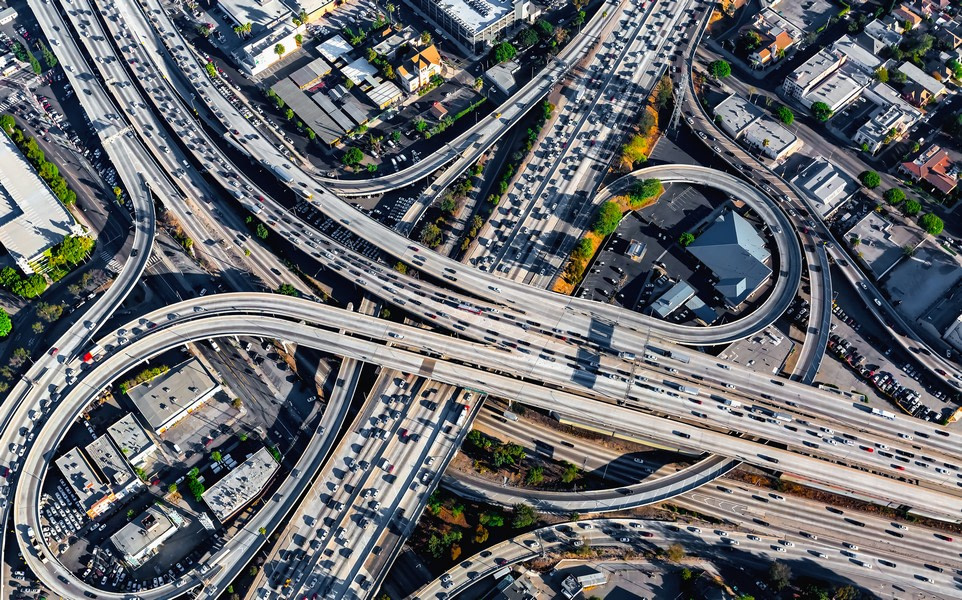
Government policy accelerated the trend. The Homestead Act, suburban zoning, mortgage subsidies, and postwar highway construction all encouraged low-density settlement. Single-family homes became the default aspiration. Cities expanded into regions, and regions became the true unit of urban life.
This is why American “cities” are better understood as metropolitan systems. Dallas–Fort Worth, Los Angeles, Atlanta, and Phoenix did not sprawl accidentally. They followed the logic of a country designed for movement and space. Even older cities like Chicago and Philadelphia adapted outward once land and transportation allowed it.

Contrast this with cities like Tokyo or London, where rail networks, limited land, and long-established cores forced vertical growth. American cities faced no such pressure. When congestion appeared, the solution was rarely height. It was distance.
That legacy still defines how Americans live today. Commutes are longer. Neighborhoods are more dispersed. Identity is often suburban rather than urban. Yet this outward growth also provided resilience. Cities could absorb population without collapsing under density. They could rebuild, relocate, and reconfigure.
The largest U.S. cities are not dense monuments to history. They are flexible systems shaped by expansion, mobility, and choice. Their size reflects a country that grew across space first and built cities to match.