
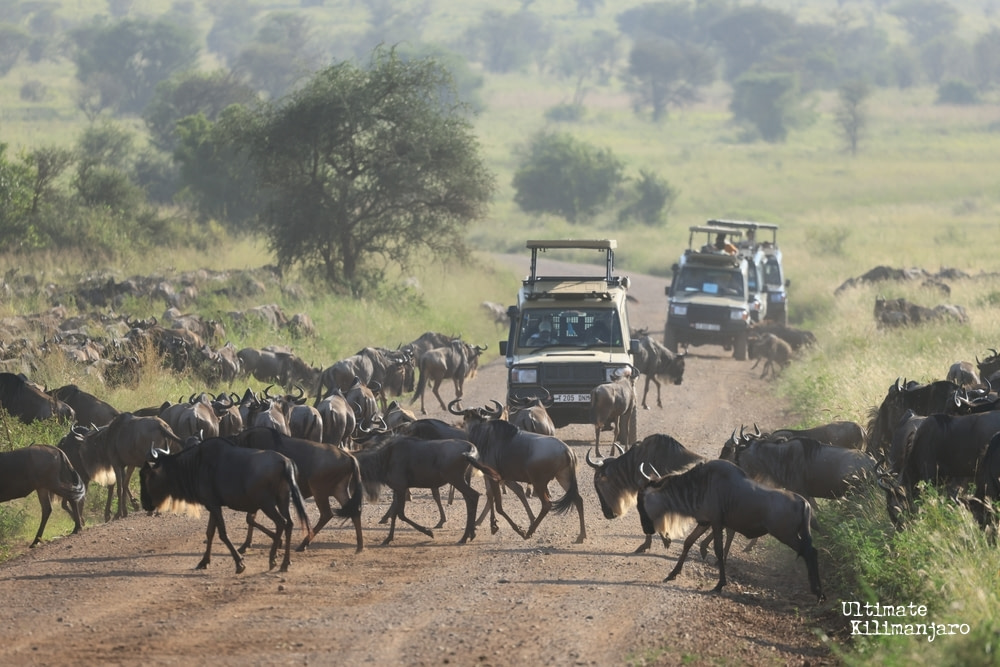
Tanzania’s Wet and Dry Seasons
Temperatures in northern Tanzania are generally stable and moderate. The region experiences distinct wet and dry seasons. These cycles shape visibility, vegetation, and driving conditions.
There are two dry periods. The main dry season typically runs from late June through October. A secondary dry season occurs usually from December through mid March. Day time temperatures are typically warm, though mornings and evenings can feel cool, particularly at higher elevations.
There are also two wet periods. The short rainy season typically occurs in the month of November. The long rainy season, which brings heavier rains, usually runs from late March to mid June. Temperatures during these months are often slightly warmer, with increased humidity and cloud cover.
What This Means for Safaris
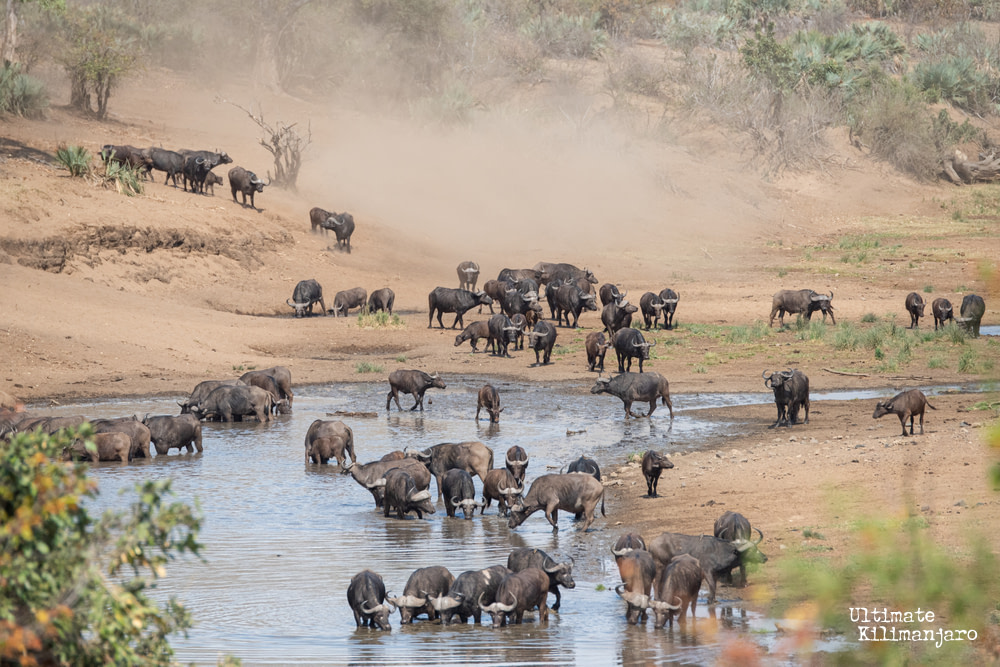
Dry months typically improve sightlines. Skies are often clear. Vegetation gradually thins, making wildlife easier to detect. Road conditions are more predictable, though dust levels increase. Animals concentrate near reliable water sources. Wildlife viewing and landscape conditions are generally favorable in the dry seasons. This is ideal for our guests because it coincides with the best months for climbing Kilimanjaro.
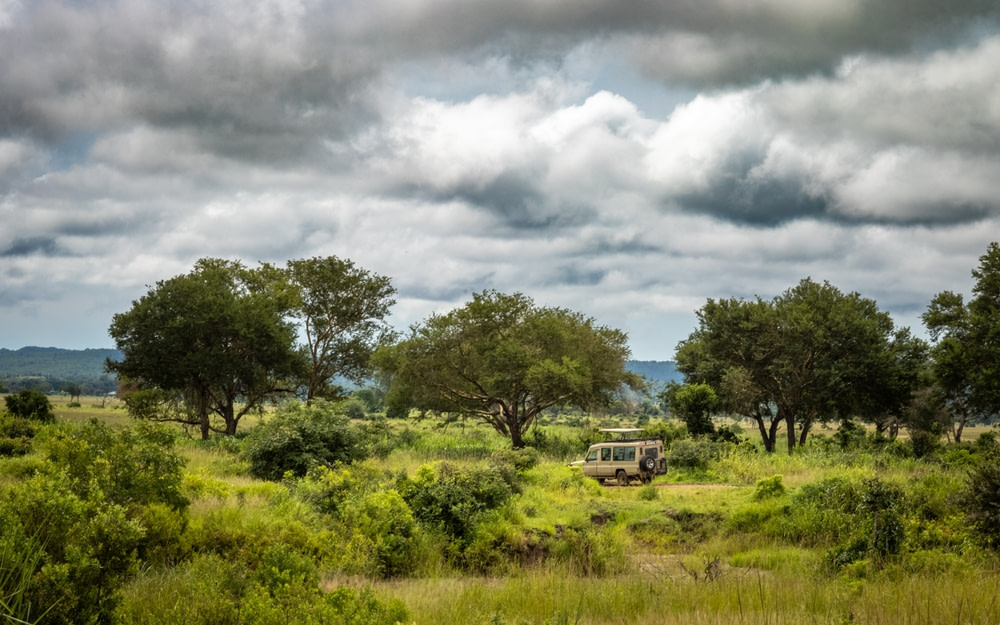
Rainy months change the landscape. The scenery becomes greener and more vibrant. Air clarity often improves as dust diminishes. Taller grasses and thicker foliage can reduce visibility. Muddy tracks may slow driving speeds. There are less visitors.
Rainy seasons are widely misunderstood. Rainfall patterns rarely disrupt safaris. Seasonal shifts alter conditions, not animal populations. Wildlife viewing remains strong. Animals do not disappear. Storms are usually intermittent rather than prolonged. Guides adjust routes and pacing as needed.
Best Time for Safari
Safari timing should align with overall travel goals. Dry months favor visibility and road consistency. Wet months favor scenery and lighter traffic. There is no universally perfect month. Northern Tanzania delivers exceptional safaris throughout the year. Timing changes the experience. It does not determine success or failure.
Our clients thoroughly enjoy their safari experiences no matter when they come. Therefore, the best time for a safari is simply whenever you can.
Park-Specific Conditions
Serengeti National Park
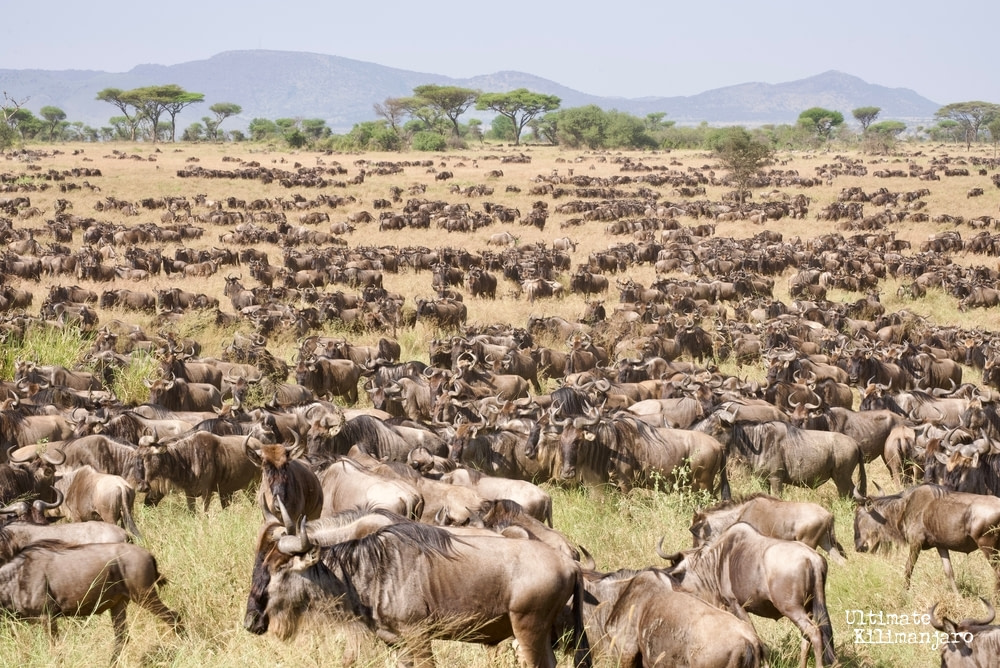
Serengeti is a year round destination. Seasonal migration movement influences animal distribution. Dry months improve sightlines and road reliability. Wet months intensify color and contrast across the plains. Predator sightings remain consistent across seasons.
January through mid-March marks the wildebeest calving season on the southern plains. During this period, roughly half a million calves are born. Predator activity intensifies. In July and August, migration herds are commonly found in the western and northern regions of the park. These months are also peak tourism periods due to visibility, road reliability, and migration dynamics.
Migration timing varies slightly each year. Rainfall patterns and grazing conditions influence herd movement.
Ngorongoro Crater
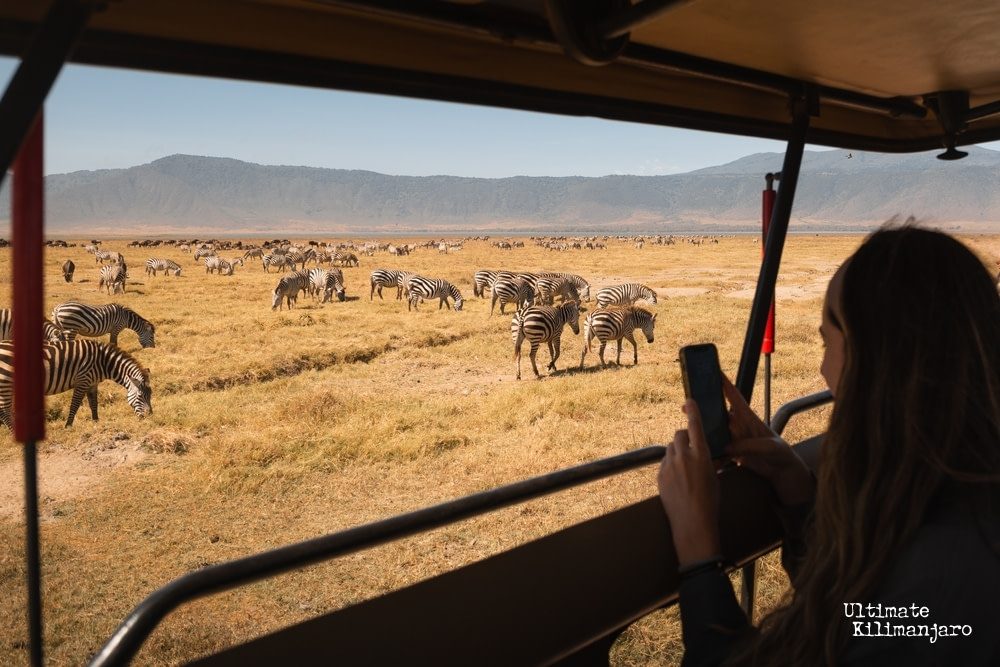
Ngorongoro Crater delivers reliable viewing in all months. Wildlife populations are largely resident. Geography concentrates animals within a contained area. Elevation keeps mornings cool. Weather shifts quickly. Visibility is rarely poor for extended periods.
Tarangire National Park
Tarangire’s dry season is particularly great. Large elephant concentrations gather near the Tarangire River. Wildlife disperses more widely during wetter months as temporary water sources appear. Vegetation density increases during rains.
Lake Manyara National Park
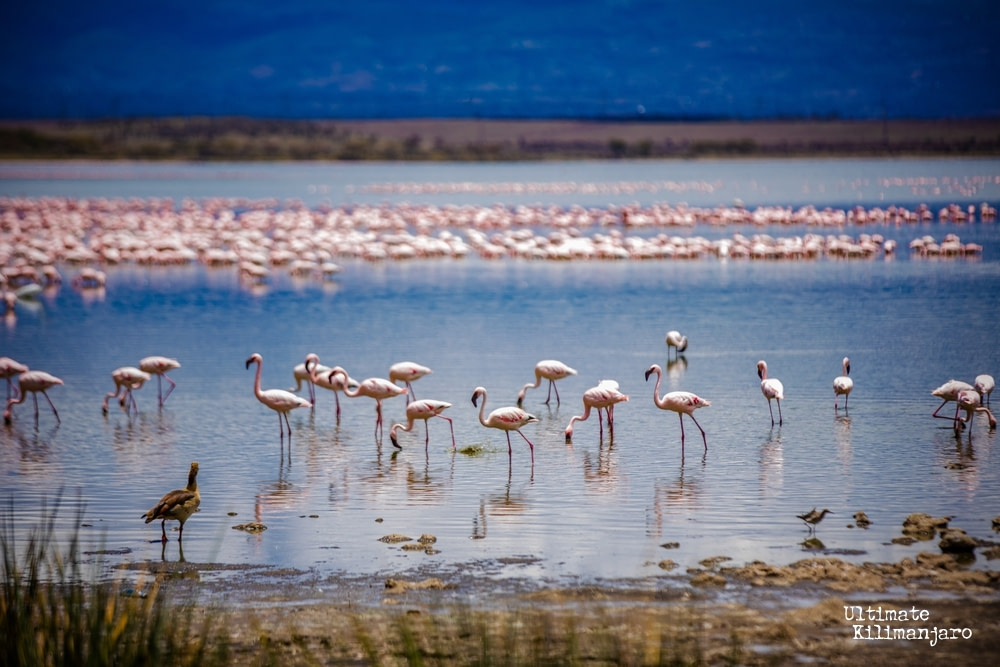
Lake Manyara remains visually striking throughout the year. Groundwater forests sustain greenery even during drier phases. Wet months enhance scenery and birdlife. Dry months improve predictability of animal positioning.
Arusha National Park
Arusha National Park offers stable conditions across seasons. Elevation moderates temperatures. Cloud cover and brief showers are common. Scenery is highly varied. Visibility can shift within hours.