This section covers what gear you need to bring, physical training, Tanzania entry requirements (passport & visa), immunizations and vaccinations, and travel insurance.
Please read this carefully and make sure you have gathered everything before you depart on your trip.
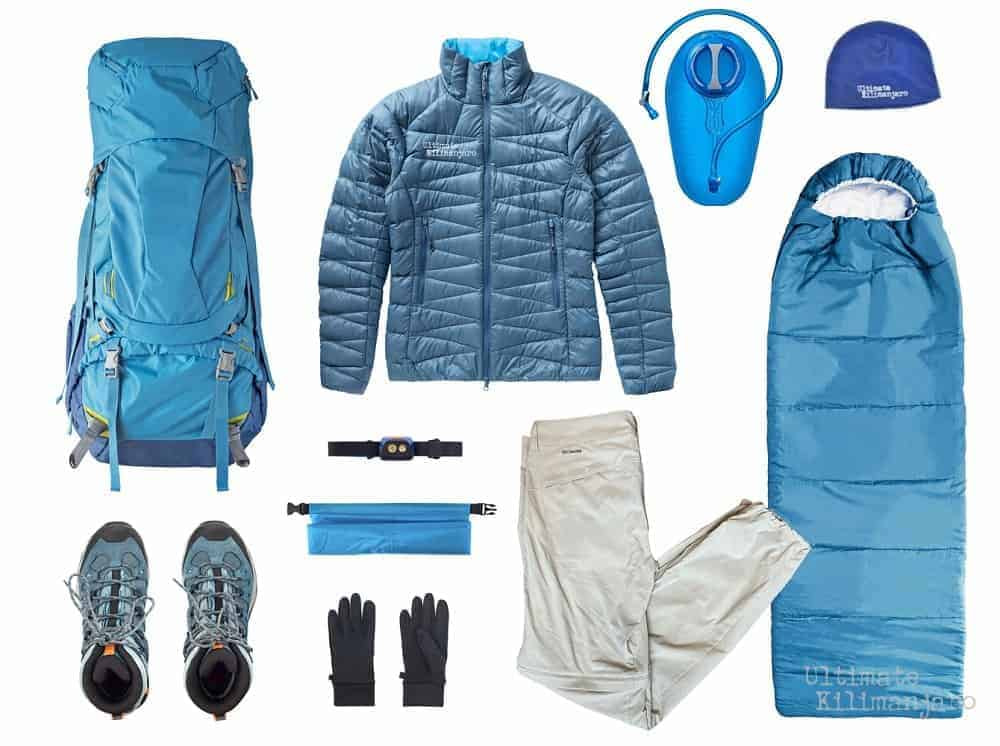
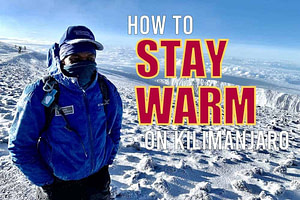
You are responsible for bringing personal gear and equipment while communal equipment (tents, food, cooking items, etc.) is provided. Below is a gear list of required, recommended and optional items to bring on your climb. (See How Should I Dress for Kilimanjaro?)
Technical Clothing
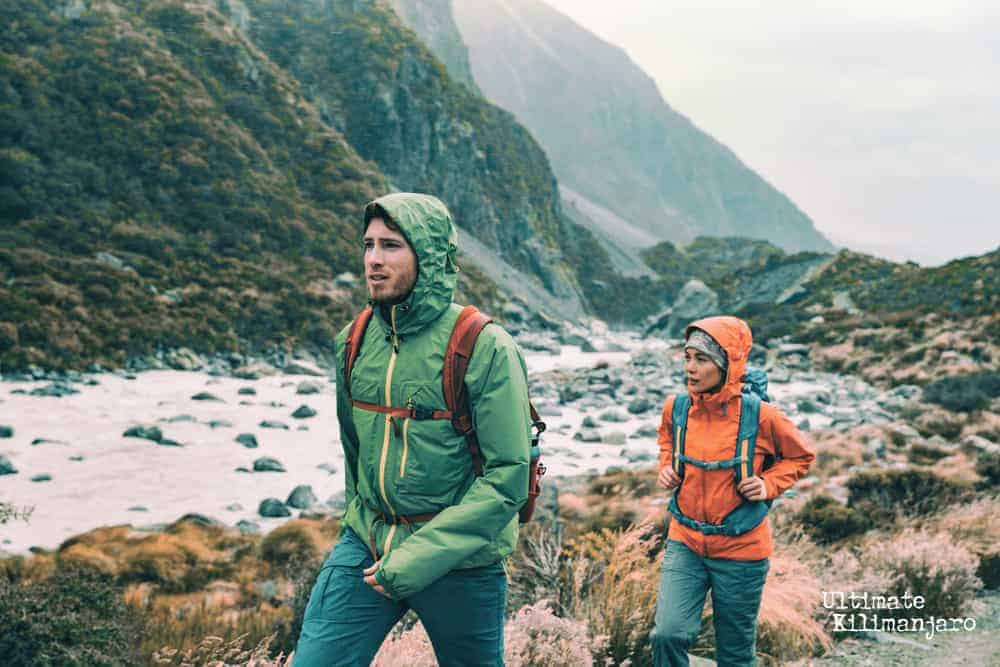
1 - Waterproof Jacket, breathable with hood
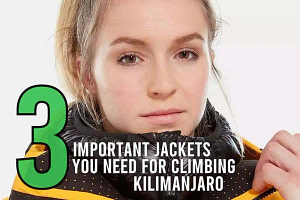
1 - Insulated Jacket, synthetic or down
1 - Soft Jacket, fleece or soft-shell
2 - Long Sleeve Shirt, light-weight, moisture-wicking fabric
1 - Short Sleeve Shirt, light-weight, moisture-wicking fabric
1 - Waterproof Pants, breathable (side-zipper recommended)
2 - Hiking Pants (convertible to shorts recommended)
1 - Fleece Pants
1 - Shorts (optional)
1 - Long Underwear (moisture-wicking fabric recommended)
3 - Underwear, briefs (moisture-wicking fabric recommended)
2 - Sport Bra (women)Headwear
1 - Brimmed Hat, for sun protection
1 - Knit Hat, for warmth
1 - Balaclava, for face coverage (optional)
1 - Bandana (optional)Handwear
1 - Gloves, warm (waterproof recommended)
1 - Glove Liners, thin, synthetic, worn under gloves for added warmth (optional)
Footwear
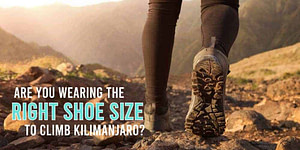
1 - Hiking Boots, warm, waterproof, broken-in, with spare laces
1 - Gym Shoes, to wear at camp (optional)
3 - Socks, thick, wool or synthetic
3 - Sock Liners, tight, thin, synthetic, worn under socks to prevent blisters (optional)
1 - Gaiters, waterproof (optional)Accessories
1 - Sunglasses or Goggles
1 - Backpack Cover, waterproof (optional)
1 - Poncho, during rainy season (optional)
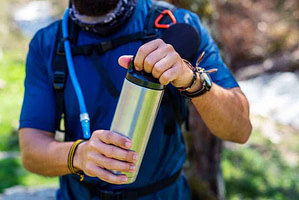
1 - Water Bottle (Nalgene, 32 oz. recommended)
1 - Water Bladder, Camelbak type (optional)
1 - Towel, lightweight, quick-dry (optional)
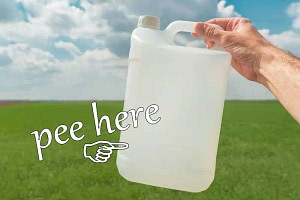
1 - Pee Bottle, to avoid leaving tent at night (highly recommended)
Stuff Sacks or Plastic Bags, various sizes, to keep gear dry and separateEquipment
1 - Sleeping Bag, warm, four seasons
1 - Sleeping Bag Liner, for added warmth (optional)
1 - Sleeping Pad, self-inflating or closed-cell foam
1 - Trekking Poles (highly recommended)
1 - Head lamp, with extra batteries
1 - Duffel bag, for porters to carry your equipment
1 - Daypack, for you to carry your personal gearOther
Toiletries
Prescriptions
Sunscreen
Lip Balm
Insect Repellent, containing DEET
First Aid Kit
Hand Sanitizer
Toilet Paper
Wet Wipes (recommended)
Snacks, light-weight, high calorie, high energy (optional)
Pencil and Notebook, miniature, for trip log (optional)
Camera, with extra batteries (optional)
Paperwork
Trip Receipt
Passport
Visa (available at JRO)
Immunization Papers
Insurance Documents
The most common mistake that climbers make is that they over pack and bring way too much gear.
Be
selective in what you take with you. Please note that our porters are limited
to carrying 35 lbs (15 kg) of your personal belongings. If you have excess
weight, you will be required to hire an additional porter. Although you
are expected to bring everything you need, most gear and equipment may be
rented, subject to availability. All extra luggage, items you will not use
on your climb, such safari clothing, gear and equipment, can also be safely
stored at the hotel.
Checked luggage on airplanes can get lost or delayed on the way to Tanzania. Therefore, you should prepare for this possibility by wearing or carrying on the items that are essential to your Kilimanjaro climb. While most clothing, gear and equipment can be replaced in Tanzania prior to your climb, there are some things that you should not and cannot.
Ultimate
Kilimanjaro recommends that you wear one complete hiking outfit on the plane,
including a long sleeve shirt, hiking pants, underwear, socks, sock liner,
and hiking boots. In your carry on baggage, you should bring your backpack,
waterproof jacket and pants, insulated jacket, snacks, toiletries, medications,
camera and all paperwork. Make sure you wear/carry your hiking boots; wearing
a different pair of boots on your climb will likely cause blistering.
Climbing Mount Kilimanjaro is a physical undertaking, so you should prepare yourself accordingly with a Kilimanjaro training program. Being in good shape is important in many respects. Obviously, strong, conditioned legs make it easier to walk uphill and downhill for sustained periods of time. General aerobic fitness allows the body to function efficiently with less oxygen. And a fit body is more likely to withstand the stress of consecutive days of hiking and camping. Finally, a positive mental attitude can work wonders for you when fatigue and doubts arise.
The best exercise that you can do to prepare for Mount Kilimanjaro is hiking.
There are training regimens on other operator's sites which entail strict, extensive, cross-training programs, featuring hiking, running, biking, swimming, weight training, etc. Do not be alarmed by this. Those programs are excessive and unnecessary to sufficiently prepare for climbing Kilimanjaro. The best and perhaps only exercise you need to do is to hike - period. After all, that is what you will be doing on the mountain. Ideally, you should try to hike as much as possible on hills or mountains to simulate ascension on Mount Kilimanjaro. Doing day hikes is superb training. For those who do not have access to trails, but have membership to a gym, you can train very productively on a stair master machine. If you have no access to trails or a gym, then try to walk as much as you can, with extended walks on the weekends.
You should start training for climbing Kilimanjaro at least two months prior to your departure.
If you've never hiked before, you should start with shorter time intervals, a slower pace, and no weight (in your day pack) and then gradually increase all of the above as your fitness level improves. Remember that on Mount Kilimanjaro, you will walk slowly for prolonged periods, and carry probably no more than 20 lbs in your day pack. Therefore, in your training, it is better to increase the time interval/distance and keep a slow pace than to shorten the time interval/distance and increase the pace. Try to train three times a week, for at least one hour per session, at a minimum. If you can do day hikes for four to six hours, with moderate elevation changes (~1,500 ft/460 m) while carrying a 20 lb pack, or if you can walk on a stairmaster for 1-2 hours, at 30 steps per minute while carrying a 20 lb pack, then you're probably ready for the real thing.
Your longest/hardest workouts should be performed two to four weeks before your departure. For the last two weeks, you should taper off your training and in the final days, rest so that your body has time to recover before your actual climb. In addition to walking/hiking, you can also supplement your training with exercises such as running or cycling, which will increase your aerobic capacity.
It is imperative that during Kilimanjaro training, you wear the boots that you intend to climb with so that they are sufficiently broken-in (to prevent blisters). Additionally, you should wear the day pack you intend to carry so you're your shoulders/back/hips get used to the points of contact and weight (to minimize chafing and soreness).
Lastly, physical training is just one part of getting in shape. If you have an unhealthy lifestyle, use the climb as your motivation to change. Eat more fruits and vegetables. Reduce your red meat consumption. Don't drink or smoke. Get eight hours of sleep per night. Don't worry. Be happy.
All climbers should have a medical check prior to attempting the mountain. Ask your doctor if high altitude trekking is permissible for your age, fitness level and health condition. Ask if you have any preexisting medical conditions that can cause problems on the climb. Ask if any of your medications can affect altitude acclimatization. Ask whether Diamox can be taken with your existing prescription medicines.
The minimum age for climbing Mount Kilimanjaro is 10 years old. There is no maximum age. However, the climb is strenuous and presents health risks, especially to people in high risk categories. Serious consideration should be given to anyone under the age of 18 and over the age of 60. The climbers on the extreme ends of the age spectrum should definitely consult their doctor.

The following information was taken from the Tanzania National website.
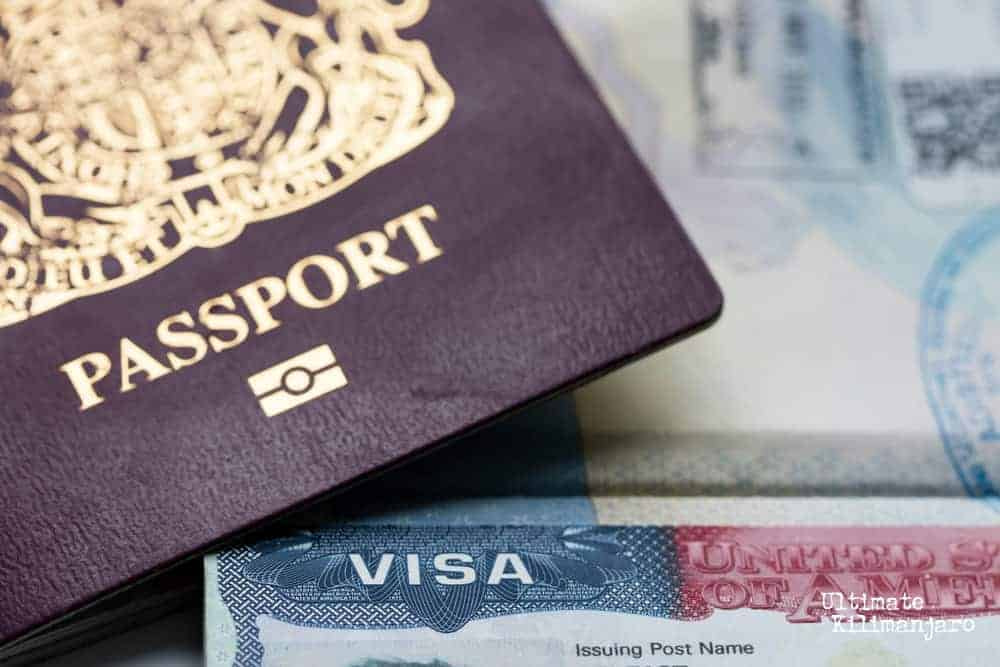
Foreigners seeking to enter the United Republic of Tanzania should be in possession of a valid passport, at least six months prior to expiration. The passport is to be presented to the Immigration Control Officer at any entry point: border station, airport, harbor. The passport must be presented along with one of the following:
A visitor must also present an onward or return ticket together with proof that the visitor has sufficient funds to support himself or herself while in Tanzania.
All foreigners from non-Commonwealth countries are required to have a valid visa unless their countries have agreements with Tanzania under which the visa requirement is waived. Exemptions: Citizens of Commonwealth countries are not required to obtain visas unless they are citizens of the United Kingdom, Canada, Nigeria, or India. The visa is permission granted to a foreigner who intends to travel to Tanzania on business, for a holiday, to study or conduct research, or for other approved activities. When entering Tanzania, the visitor with a visa may then obtain from the immigration control officer, a pass or any other authority to enter the country.
There are five types of visa valid for entry into Tanzania:
Visas are issued by the following:
To avoid potential loss of passports in the mail or delays in visa processing, Ultimate Kilimanjaro recommends that US citizens obtain their visas upon arrival, at Kilimanjaro International Airport. It is an easy and simple process. The cost of a Tanzanian visa for US citizens is $100.
The following information was obtained from the Center for Disease Control and Prevention, Tanzania.
Recommended
Vaccinations and Preventive Medications
The following vaccines may be recommended for your travel to East Africa.
Discuss your travel plans and personal health with a health-care provider
to determine which vaccines you will need.
Malaria
Malaria is always a serious disease and may be a deadly illness. Humans
get malaria from the bite of a mosquito infected with the parasite. Your
risk of malaria may be high in all countries in East Africa, including cities.
All travelers to East Africa, including infants, children, and former residents
of East Africa, may be at risk for malaria. Prevent this serious disease
by seeing your health care provider for a prescription antimalarial drug
and by protecting yourself against mosquito bites.
All
travelers should take one of the following drugs:
Yellow
Fever
A certificate of yellow fever vaccination is required for entry into Tanzania when arriving from countries where yellow fever is present.
Food
and Waterborne Diseases
Make sure your food and drinking water are safe. Food and waterborne diseases are the primary cause of illness in travelers. Travelers' diarrhea can be caused by viruses, bacteria, or parasites, which are found throughout East Africa and can contaminate food or water. Infections may cause diarrhea and vomiting (E. coli, Salmonella, cholera, and parasites), fever (typhoid fever and toxoplasmosis), or liver damage (hepatitis).
To
stay healthy, do...
Traveldoctor.com.au has a very useful health fact sheet which summarizes the major travel health issues and considerations for Mount Kilimanjaro and Tanzania.
Absolutely. Climbers are strongly advised to obtain travel insurance immediately after booking their trip. Trip deposits are non-refundable and balance payments are only partially refundable. Therefore, it is prudent for you to protect your investment against trip cancellation, interruption, delays and unforeseeable expenses. Travel insurance covers expenses such as:
|
At a minimum, the insurance should protect you against trip cancellation and trip interruption, should you need to cancel your trip due to circumstances such as training injuries or sickness or emergencies. Ideally, insurance should cover high altitude trekking (not to be confused with "mountaineering" or "mountain climbing" which most insurance will not cover) and all medical and repatriation costs. Keep your proof of insurance on your person at all times.
We recommend that you obtain the Adventure Travel Protection Plan, which provides coverage for high altitude trekking, trip cancellation, interruption and delay; lost, stolen and damaged baggage; medical expenses and emergency medical evacuation; and luggage delay, for a low cost. You can purchase the Adventure Travel Protection Plan online through Travel Guard.
Our climbs originate in Moshi, a coffee-producing gateway town to Mount Kilimanjaro, located at the base of the mountain to its south. Moshi is a short drive from the Kilimanjaro International Airport (airport code: JRO). If you fly into Kilimanjaro International Airport, you should communicate your flight information to us, and we can arrange for transport from the airport to the hotel for a small fare.
KLM
flies to Kilimanjaro International Airport regularly.
Vayama is a good source for domestic Tanzanian flights.
We do not recommend flying into Nairobi, Kenya or Dar es Salaam, Tanzania. Although flights are cheaper than flying into Kilimanjaro International Airport, getting to Moshi from Nairobi requires an overnight stay in Nairobi, the purchase of a Kenyan visa, and a 6 to 8 hour bus ride with a border crossing. Getting to Moshi from Dar es Salaam also typically requires an overnight stay and an 8 hour bus ride.