

It takes five to nine days to climb Kilimanjaro, from bottom to the top and back down again.
Mount Kilimanjaro routes and their variations take between five to nine days to complete. Although Kilimanjaro is known as a “walk-up” mountain, you should not underestimate it and its risks. The overall statistics show that less than half of all climbers reach the summit.
Altitude sickness is the main reason why people fail on Kilimanjaro. The human body needs time to acclimatize to high altitude. Gaining altitude too rapidly doesn’t allow the body enough time to adjust to reduced oxygen and changes in air pressure. This is very apparent when examining Kilimanjaro’s overall success rates based on the number of days spent on the mountain.
Below are the Kilimanjaro success rates as reported by Kilimanjaro National Park (2006):
Kilimanjaro OVERALL Success Rates
All climbers, all routes 45%
All climbers, all 5 day routes 27%
All climbers, all 6 day routes 44%
All climbers, all 7 day routes 64%
All climbers, all 8 day routes 85%
All climbers, all 9 day routes (no data)
-Data reported by Kilimanjaro National Park (2006)
The data shows that spending more days on the mountain increases your chances of reaching the top. Therefore the key to a safe, successful climb is to take the longest routes possible. This is one of the most important decisions you will make when it comes to planning a Kilimanjaro hike because it is the primary driver of your success.
There are minimum days for each of Kilimanjaro’s main climbing routes. However, that is not to be confused with recommended days for the route.
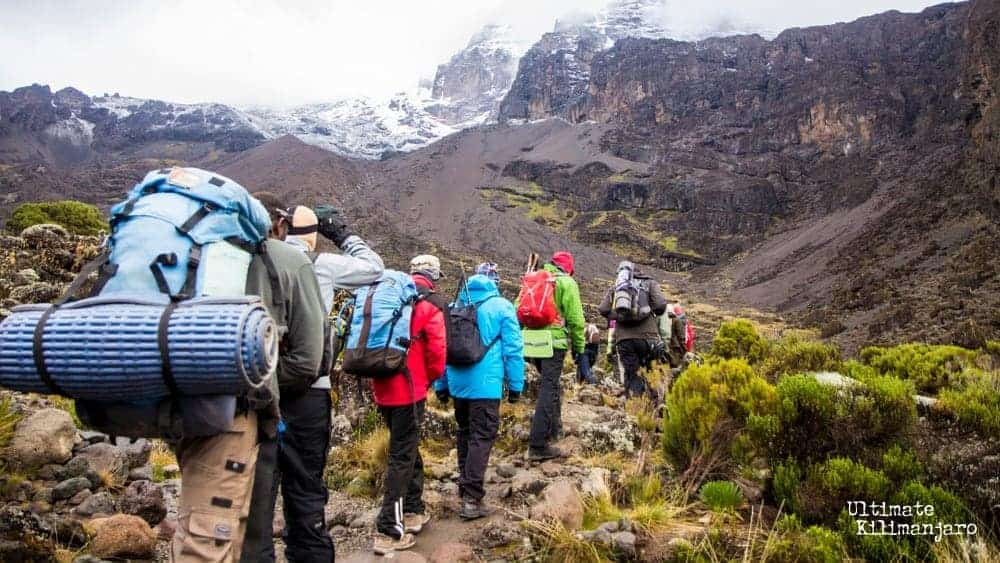
Ultimate Kilimanjaro® recommends adding an extra day or two to your trip to help you acclimatize to the altitude. We encourage customers to take 7-9 day routes for the best chance of success and the lowest risk of altitude sickness.
The Truth About Success Rates
Some companies boast that their overall summit success rates are greater than 90%. We have seen competitor advertisements representing they have 95%, 98%, even 100% overall success rates. It is only a matter of time before someone advertises that they have a 150% success rate. The truth is that each of these figures are statistically impossible. Do not believe these claims!

Unless these outfitters are prescreening climbers, taking a very small number of climbers (less than 30) per year, or leading climbs only on 8-9 day routes, achieving those extraordinarily high success rates would be impossible to maintain for even a short period of time. Every outfitter knows this, but unfortunately it seems some don’t mind attracting customers with misleading or blatantly false statements.
We are very happy that our real success rates are considerably greater than those reported by Kilimanjaro National Park. Client feedback regularly cites our guides and their support as the main reason they were able to summit.
We have a consistent record of achieving high success rates year after year, and would gladly put our success rates up against the actual success rates of our strongest competitors.
Don’t Rush Your Kilimanjaro Climb
Our primary concern is that you have a safe, enjoyable, memorable Kilimanjaro climb.
It is possible to climb the mountain in five or six days, but why take the chance? Some clients want to minimize their days in order to save costs, which is understandable. But we feel that the additional cost is well worth it. Not only is it safer, but you increase the probability of your success, have more time to enjoy the experience, can take acclimatization hikes to other parts of the mountain you’d otherwise miss, and will probably feel better as well, given that there is less stress on your body.